- China's fitness equipment exports reached USD 73.25 billion in 2025, reinforcing the country's position as the world's leading fitness manufacturing and export hub.
- The industry is accelerating a strategic shift from "product export" to a dual-track "brand export plus production capacity export" model, requiring new capabilities in intellectual property protection and regulatory compliance.
- AI, digital interaction, and data-driven training systems are transforming the competitive landscape from hardware-centric to service-ecosystem-centric business models.
- The new APFIT exhibition zone and the forum's "deep blue" theme signal the industry's ambition to build an Asia-Pacific-centered global fitness trade and innovation platform.
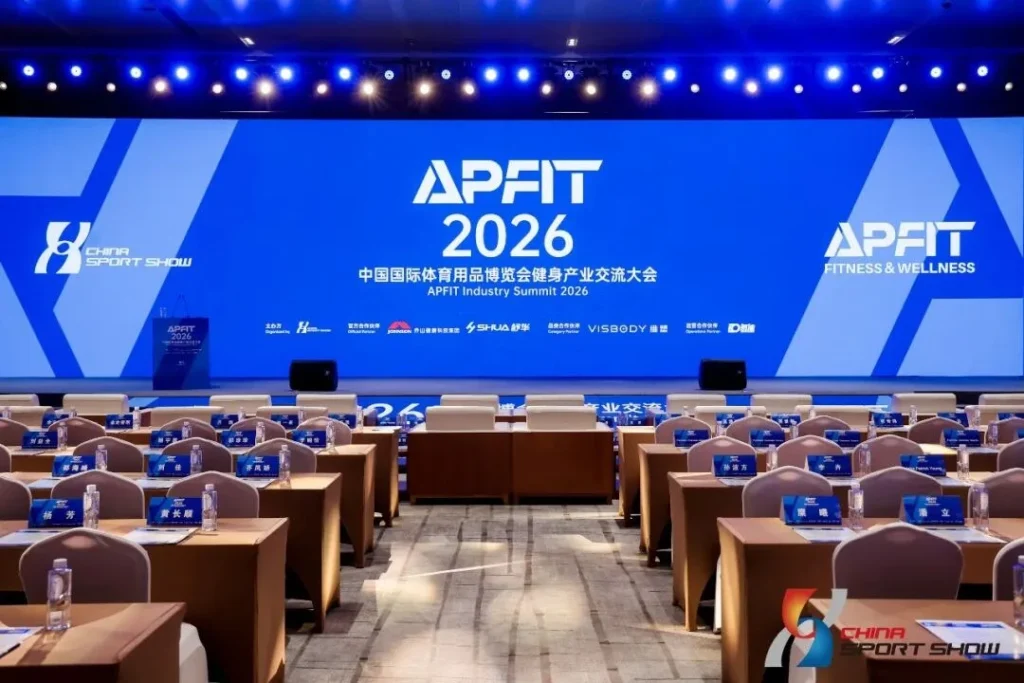
May 22, 2026, The 2026 China Sport Show Fitness Industry Exchange Conference convened in Xiamen on May 22, bringing together industry leaders, policymakers, and global fitness brands to chart the sector’s transformation from Asian manufacturing powerhouse to global brand leader. Held under the theme “From Asian Manufacturing to Global Brand — Navigating the Deep Blue of Fitness Industry,” the forum accompanied the debut of APFIT, the newly upgraded Asia-Pacific Fitness & Wellness Exhibition, a centerpiece of the record-breaking 43rd China International Sporting Goods Show (China Sport Show 2026).
Record Export Growth and Industry Momentum
The forum opened with a landmark disclosure: China’s fitness equipment exports reached USD 73.25 billion in 2025, underscoring the country’s deepening role in the global fitness supply chain. Wen Jia, Deputy Secretary-General of the China Sporting Goods Federation (CSGF), presented the data as evidence of the industry’s steady upward trajectory, noting that China is simultaneously the world’s foremost manufacturing base and a rapidly expanding consumer market.
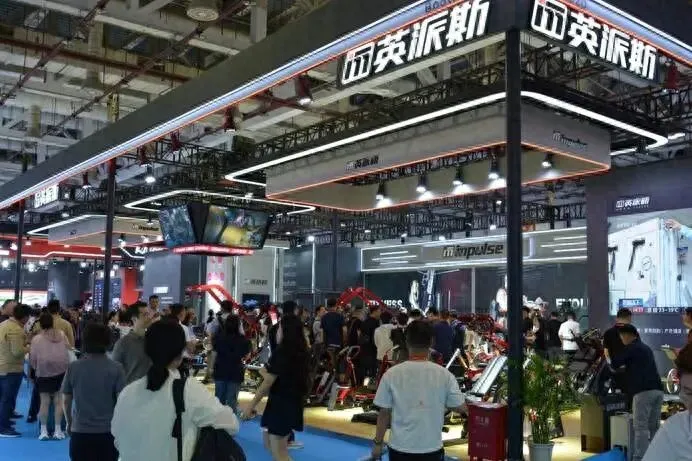
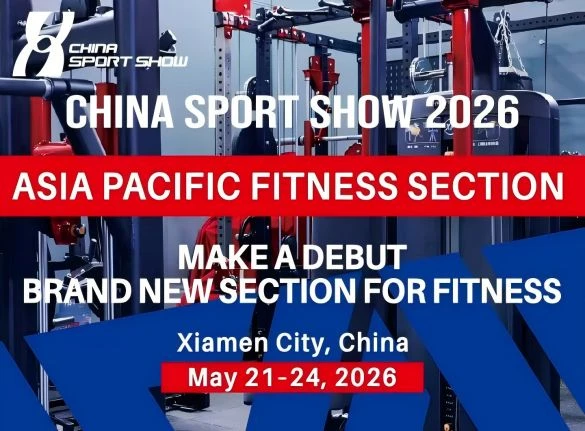
The numbers arrive as China Sport Show 2026 sets new records of its own — spanning nearly 130,000 square meters with approximately 1,100 exhibitors at the Xiamen International Conference & Exhibition Center (May 21–24). The upgraded APFIT zone, replacing the former Fitness exhibition area, marks a new chapter in Asia-Pacific fitness trade, positioning itself as the region’s premier professional fitness platform. With the theme “All Categories Gather, Fitness for a New Future,” APFIT reorganized its layout around end-user decision journeys rather than the traditional commercial-versus-home-use divide, covering the full industry chain from raw materials to intelligent solutions.
From “Made in China” to “Global Brand”
Li Hua, Chairman of CSGF, framed the strategic imperative in his opening address: the Chinese fitness industry must accelerate its journey from “Made in China” to “Global Brand.” The forum was purpose-built, he explained, to help enterprises navigate globalization, smart manufacturing, and service innovation — leveraging the platform advantages of China Sport Show to identify new opportunities amid shifting market conditions.
Wen Jia elaborated that Chinese fitness companies are transitioning from a single-track “product export” model to a dual-track strategy combining “brand export” and “production capacity export.” This evolution involves overseas warehousing, localized assembly, and globally distributed supply chains. Critically, she emphasized that enterprises must now build capabilities in intellectual property protection, regulatory compliance, and geopolitical risk management — competencies once considered secondary to manufacturing excellence. “The future belongs to companies that can earn trust not just for their products, but for their brands,” Wen said.
Smart Manufacturing and Digital Transformation
A major theme across all sessions was the technology-driven upgrade reshaping the industry. Artificial intelligence, digital interaction, and data-driven training systems are propelling the sector from “selling products” to “selling services,” Wen noted. The future competitive frontier, she argued, will not be hardware performance alone, but the ability to connect users, data, and services into integrated, intelligent ecosystems.
On the domestic front, the rise of new fitness formats — from competitive fitness events to senior wellness programs under China’s “silver economy” push — is driving demand for scenario-specific and customized equipment, moving well beyond standardized offerings. “Function plus efficiency” and “technology plus aesthetics” have emerged as defining consumer trends, the forum heard. These shifts, combined with the policy tailwinds of China’s national fitness initiative and ongoing consumption upgrades, are expected to fuel sustained demand for premium, intelligent fitness solutions.
Global Industry Voices: Strategy and Experience
John Young, Vice President of Commercial Business at Johnson Health Tech Group, shared insights from the company’s five-decade globalization journey. Founded in 1975 and headquartered in Taichung, Taiwan, Johnson Health Tech ranks as Asia’s largest and among the world’s top three fitness equipment manufacturers, operating a multi-brand portfolio that includes Johnson, Matrix, Vision, and Horizon. Young attributed the company’s sustained success to consistent localized operations — tailoring product development, channel strategies, and after-sales service to each regional market. He highlighted a growing focus on the cardiovascular training segment and significant investment in digital technologies, interactive content, and intelligent fitness solutions designed to engage the fast-growing Gen Z demographic with personalized, immersive workout experiences.
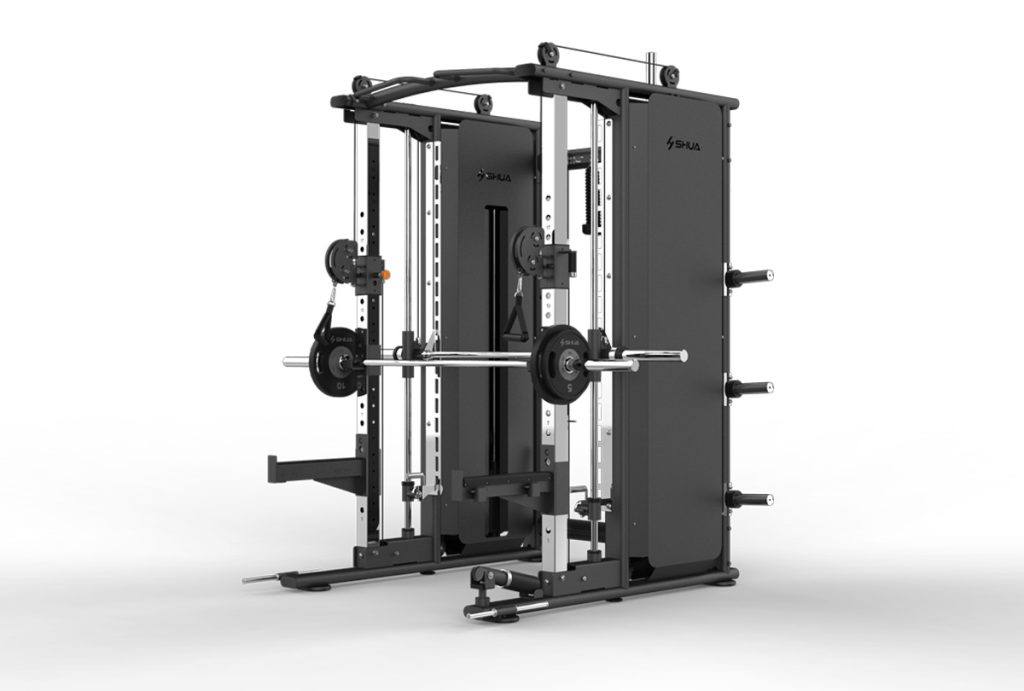
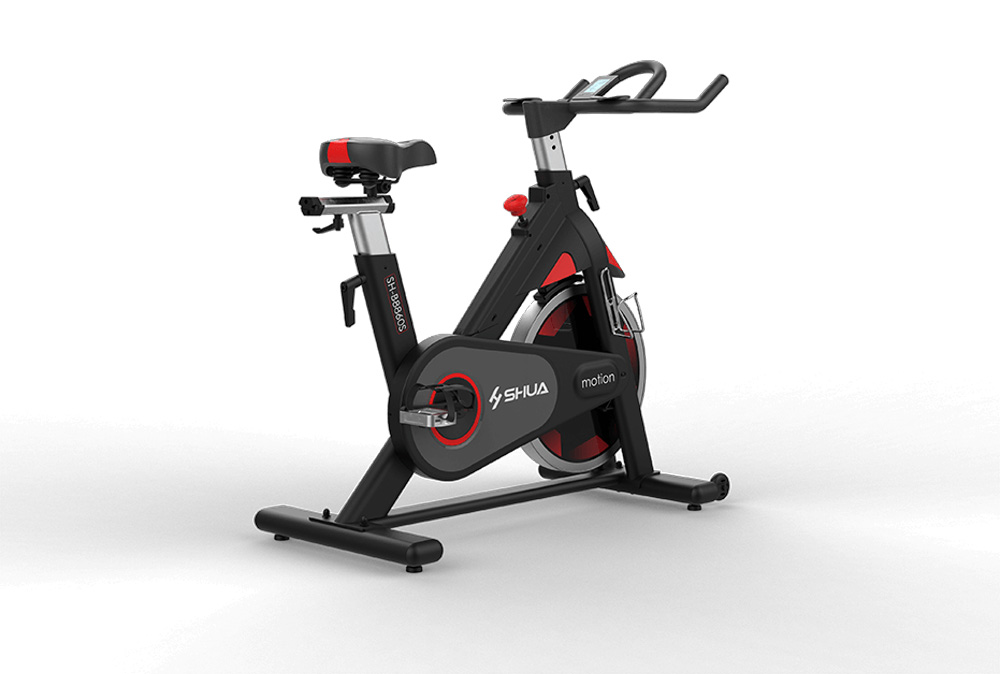
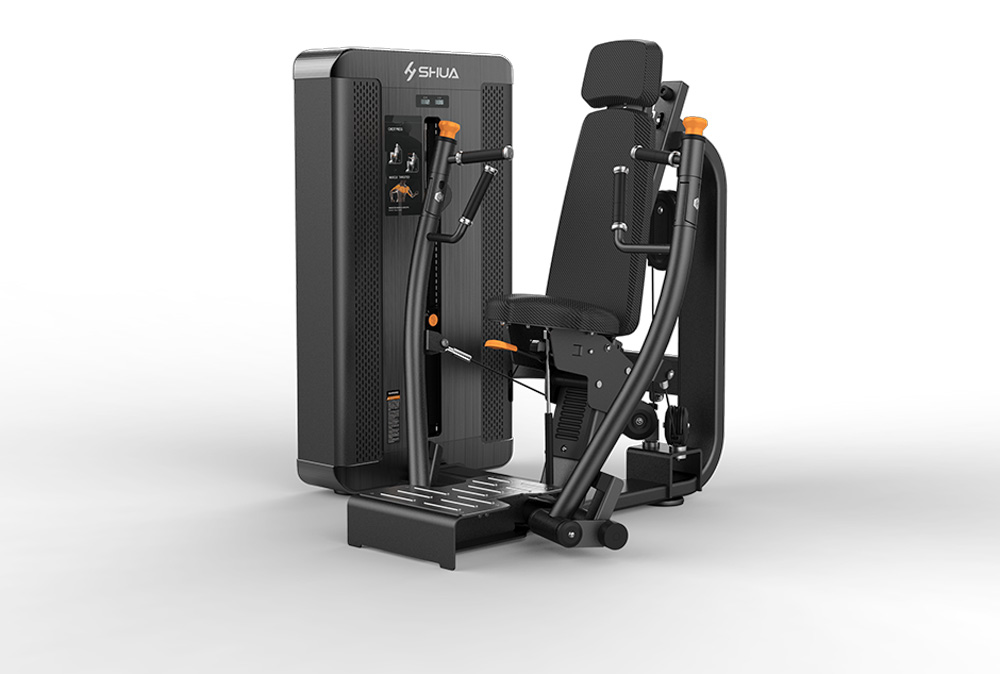
Shi Yong, Vice President of Shuhua Sports Co., Ltd. (SHA: 605299), offered the perspective of a leading Chinese domestic brand navigating outward expansion. Founded in 1996 and listed on the Shanghai Stock Exchange since December 2020, Shuhua Sports has grown its international footprint to cover more than 110 countries and regions. China’s manufacturing advantages — “diverse, fast, high-quality, and cost-effective” — remain foundational, Shi argued, but the new pillars of competitiveness are AI-driven manufacturing, resilient supply chains, and globally integrated operating systems. The goal, he stressed, is not merely to “go out” but to “go in” — embedding Chinese brands deeply into local markets through sustained technological innovation and industrial collaboration.
The Future of Fitness Services
A roundtable discussion explored the fitness service sector’s transformation, with panelists noting that the traditional membership-sales-driven gym model is losing effectiveness. Consumer expectations are expanding from simple exercise toward holistic wellness combining sport experience, health management, and social engagement. A new growth logic is emerging, shaped by niche fitness formats, digital platform integration, and the silver economy’s rising demand for accessible, age-appropriate fitness solutions.
The forum concluded by identifying three major industry currents shaping the sector’s immediate future: the evolution from brand export to full-scale global operations, the convergence of smart manufacturing with digital services, and the expansion of fitness from competitive sports into senior health and wellness — a trend panelists termed “from competition economy to silver hair health.”
“The Chinese fitness equipment industry has entered a defining moment,” said Li Hua, Chairman of the China Sporting Goods Federation. “Our task is no longer just to manufacture at scale — it is to build brands that stand for professionalism, intelligence, and premium quality in every market we enter.”
“The USD 73.25 billion export figure is not just a number — it represents the global trust in Chinese manufacturing capability,” said Wen Jia, Deputy Secretary-General of CSGF. “But the next chapter requires us to earn trust in Chinese brand value, which demands entirely new organizational competencies in intellectual property, compliance, and brand governance.”
About China Sport Show
China Sport Show (China International Sporting Goods Show) is the Asia-Pacific region’s largest and most comprehensive trade fair for sporting goods, fitness equipment, and sports infrastructure. Organized by the China Sporting Goods Federation, the 43rd edition (May 21–24, 2026, Xiamen) spans nearly 130,000 square meters, featuring over 1,100 exhibitors and the newly launched APFIT (Asia-Pacific Fitness & Wellness Exhibition). The concurrent Fitness Industry Forum serves as the industry’s premier platform for strategic dialogue on globalization, innovation, and market development. Learn More, Visit sportshow.com.cn
About the China Sporting Goods Federation (CSGF)
The China Sporting Goods Federation is the national industry organization representing China’s sporting goods manufacturers, distributors, and service providers. It serves as a bridge between industry and government, driving standardization, international cooperation, and sustainable development across the sector.