


Anytime Fitness has announced the opening of its first gym located inside an airport in Australia, marking a strategic step in the evolution of the fitness sector towards high-mobility environments. The initiative responds to the growing need to offer flexible, accessible training solutions adapted to new user habits, who increasingly integrate exercise into their daily routine even in transit contexts such as travel.
Anytime Fitness has taken a strategic step by introducing its gym model into a previously virtually unexplored environment by the sector: airports. This decision responds to a clear change in consumer behavior, where time management has become a determining factor. Today’s user is not only looking to train, but to do so efficiently, without altering their routine or depending on additional travel.
The choice of an airport is not coincidental. These are spaces with a constant flow of people, where waiting times are a natural part of the experience. In this context, the presence of a gym allows transforming unproductive time into an opportunity for physical well-being. It is a mindset change that fits perfectly with the evolution of fitness towards more flexible models adapted to real life.
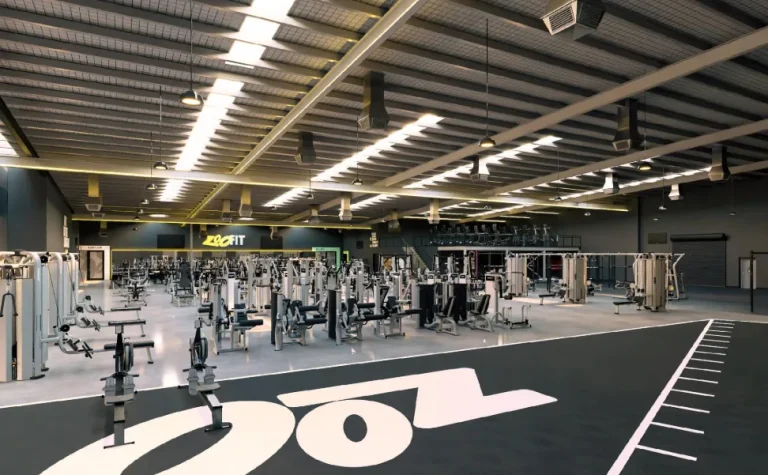
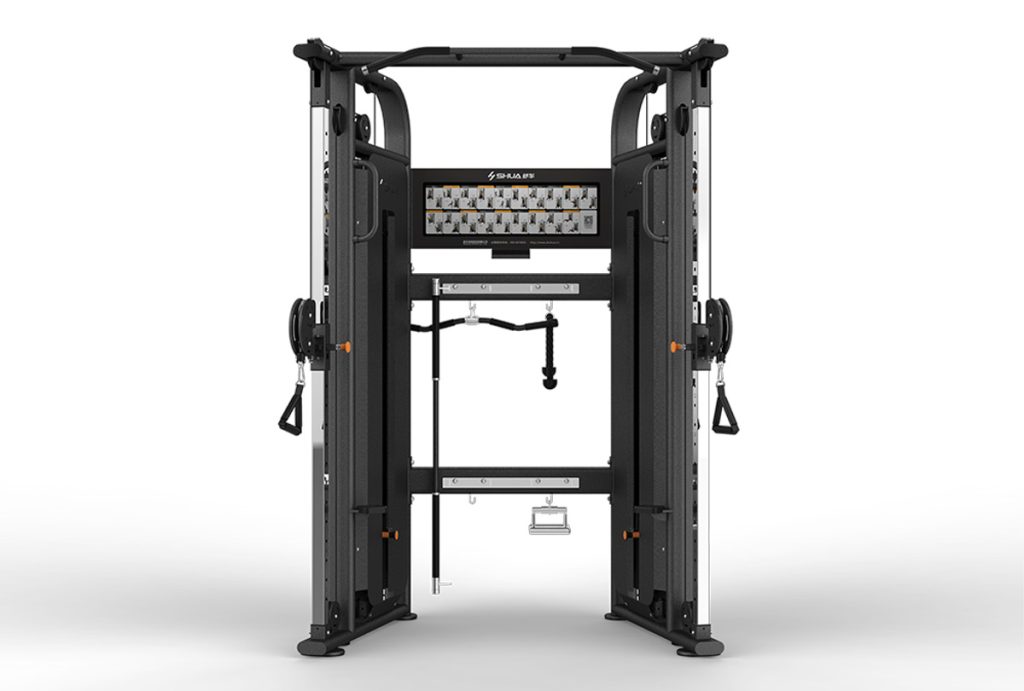
The club has been designed as a complete facility, with differentiated areas for cardiovascular training, strength, and functional training. It is not a token space, but a fully operational gym that maintains the chain’s usual standards. This approach reinforces the value proposition and prevents the concept from being perceived as a secondary service.
From a business perspective, the airport location offers clear advantages. Exposure to a massive and constantly rotating public significantly expands acquisition possibilities. Unlike traditional gyms, limited by their area of influence, this model relies on the continuous transit of potential users from different markets.
Furthermore, this initiative aligns with a growing trend in the fitness sector: expansion into non-conventional environments. Hotels, shopping centers, and corporate spaces have already integrated physical exercise as part of their offering. The airport adds a key differentiating element: urgency and immediate availability of time.
For the user, the value is direct. The possibility of training before a flight or during a layover allows maintaining the continuity of their routine, even in situations of displacement. This not only improves the travel experience but reinforces the perception of fitness as a service accessible in any context.
In operational terms, implementing a gym in an airport implies specific challenges. Aspects such as security, access, schedules, and maintenance require planning adapted to a highly regulated environment. However, the accumulated experience of large operators facilitates adaptation to these conditions.
From a revenue perspective, the model opens new monetization avenues. Single access passes, agreements with airlines, corporate programs, or premium services for frequent travelers are some of the options that can complement traditional membership. This diversification reinforces the economic viability of the project.
Beyond the specific case, Anytime Fitness’s entry into airports sends a clear message to the sector: fitness must approach the user. Location ceases to be a limitation to become a strategic opportunity. Operators who understand this transformation will be better positioned to compete in an increasingly demanding market.
In this sense, the project can act as a catalyst for similar new initiatives in other markets. If the model proves its effectiveness, it is reasonable to expect its expansion to other international airports, consolidating a new line of development within the industry.
The opening of this gym in an airport represents a significant step in the evolution of the fitness sector. Beyond the specific innovation, it reflects a necessary adaptation to current consumer habits. In an environment where time is the scarcest resource, integrating exercise into waiting moments becomes a clear and differentiating value proposition.



You must be logged in to post a comment.