
China’s foreign trade sector logged a historic milestone in the first half of 2026, with the country’s total import and export volume surpassing 25 trillion RMB for the first time in history.
According to data released at a State Council Information Office press conference on July 14, China securely maintains its position as the world’s leading goods trading nation. Driven by a global post-pandemic health boom, international sporting events, and the rise of Artificial Intelligence (AI), sports equipment, fitness gear, and intelligent robotics have emerged as premium growth drivers, serving as the new “gold business cards” for high-quality Chinese manufacturing on the global stage.
The Macro Picture: Record-Breaking Volumes and Structural Optimization
Wang Jun, Deputy Director of the General Administration of Customs (GACC), highlighted that China’s foreign trade in H1 2026 was characterized by accelerated growth and an optimized product structure. The country’s trade ecosystem demonstrated significant resilience:
Total Trade Volume: Reached a record-breaking 25.47 trillion RMB (approx. $3.75 trillion USD), marking a powerful 16.9% year-on-year growth and an absolute increase of 3.68 trillion RMB over the same period last year.
Exports: Rose 13.4% year-on-year to 14.73 trillion RMB (approx. $2.17 trillion USD).
Imports: Jumped 22.1% to 10.74 trillion RMB (approx. $1.58 trillion USD), with import velocity notably outpacing export growth.
The Private Sector Engine: Private enterprises remained the primary backbone of this expansion, accounting for 57% of the total trade value at 14.53 trillion RMB (approx. $2.14 trillion USD)—up 17% year-on-year. Notably, high-tech exports from these private firms surged by 35.9%.
Sports Goods & Fitness Gear: China Dominates the Global Market
As global consumers transition toward active wellness and diverse training lifestyles, China continues to cement its position as the world’s leading supplier. GACC spokesperson and Director General of the Department of Statistics and Analysis, Lü Daliang, noted that China now accounts for more than 40 percent of the global sports goods export market.
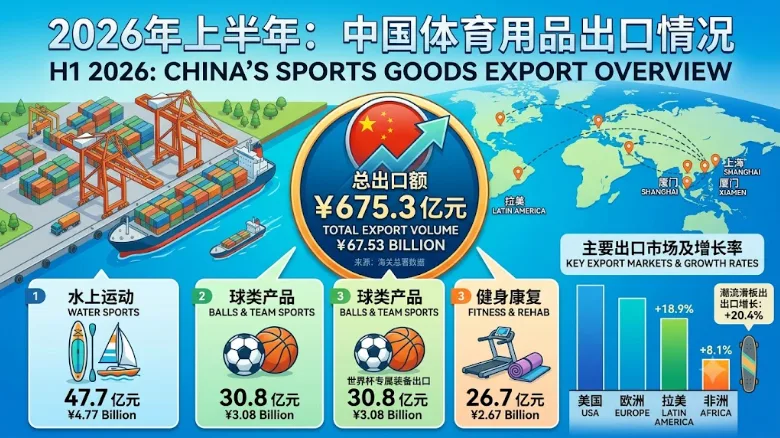
Propelled by the World Cup, regional tournament cycles, and the booming outdoor recreation market, China’s total exports of sports equipment and devices soared to 67.53 billion RMB (approx. $9.95 billion USD) in the first six months of the year.
Category Breakdown: Water Sports and Home Fitness Lead Growth
The H1 2026 data reflects a robust demand across both indoor and outdoor athletic segments:
Water & Outdoor Sports Gear: Driven by the diversification of global outdoor recreation, equipment such as stand-up paddleboards (SUP) led the athletic categories, generating 4.77 billion RMB (approx. $702.5 million USD).
Team Sports Equipment: Accelerated by the global World Cup buzz and intense tournament schedules, worldwide exports of soccer balls, basketballs, and other inflatables reached 3.08 billion RMB (approx. $453.6 million USD).
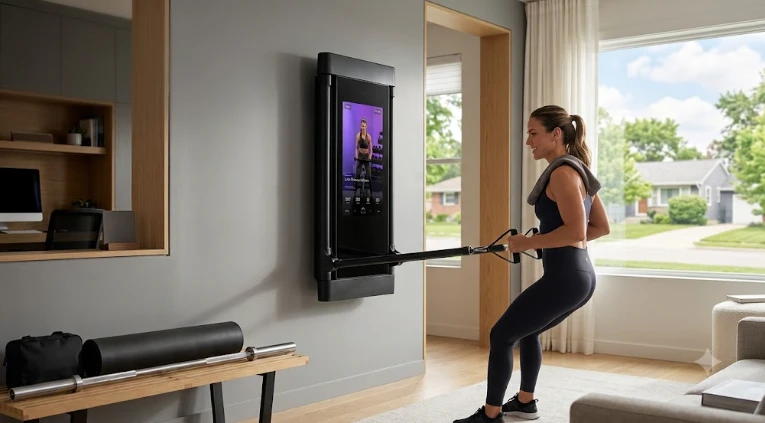
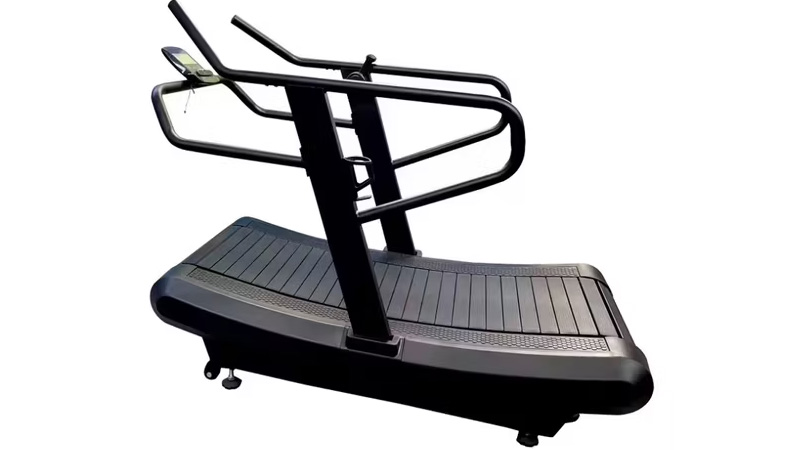
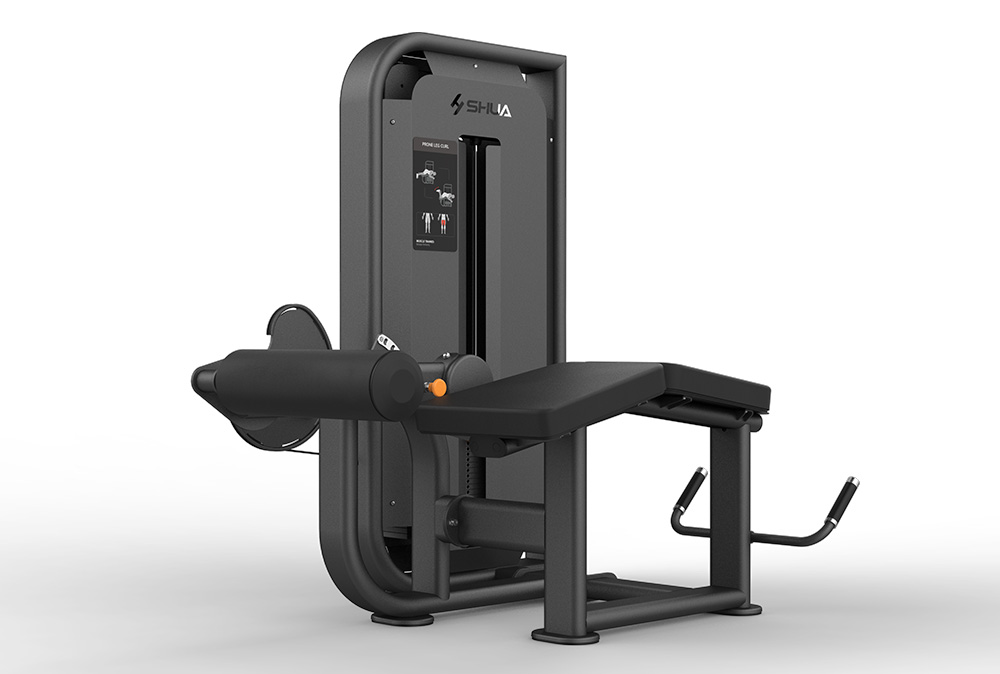
Fitness & Rehabilitation: Shipments of treadmills and rehabilitation equipment totaled 2.67 billion RMB (approx. $393.2 million USD).
Diversifying Global Footprints
While retaining a strong presence in traditional Western markets, Chinese sports manufacturers saw impressive acceleration in fast-growing emerging markets during the first half of the year. Exports of sports equipment to Latin America surged by 18.9%, while shipments to Africa grew by 8.1%.
The Bottom Line for International Buyers
For global brands, retailers, and sourcing agents, China’s H1 2026 data outlines a highly stable, structurally sound supply chain. As global demographics increasingly prioritize preventative wellness, connected fitness, and outdoor exploration, the continuous expansion of China’s advanced manufacturing capabilities ensures it remains the definitive hub powering the global active lifestyle market.

You must be logged in to post a comment.