In September 2025, China’s State Council released the “Opinions on Unlocking the Potential of Sports Consumption and Promoting High-Quality Development of the Sports Industry.” The policy sets an ambitious target: by 2030, China’s sports industry should surpass RMB 7 trillion (approx. USD 960 billion), while nurturing world-class sports enterprises and events. Notably, the document emphasizes “upgrading sporting goods,” signaling unprecedented government-level support for the industry.
Technology-Driven Upgrading
The policy calls for stronger investment in sports technology and equipment manufacturing, guiding the industry toward “high-end, digitalized, and internationalized” development. China’s sporting goods companies have already increased R&D investment, with leading firms showcasing innovations such as AI-powered health solutions and advanced material applications at the 2025 China Sport Show. However, compared with global leaders who dedicate 5%–10% of revenues to R&D, Chinese companies still have room for improvement.
Rising Domestic Brands and Cultural Innovation
Amid the “Guochao” (national trend) movement, Chinese brands are moving from OEM to OBM models, gaining both domestic and international traction. Products blending traditional cultural elements with modern materials have drawn strong attention from consumers and international buyers alike. This policy-driven environment provides Chinese brands with the momentum to climb the value chain and strengthen their market presence.
Internationalization and Going Global
The policy explicitly supports the “Chinese Sports Brand Global Promotion Plan.” In practice, companies like ANTA, Li-Ning, DHS, and Taishan Sports are accelerating global expansion, opening stores in Southeast Asia and the Middle East, and showcasing products at the Paris Olympics. Industry associations have organized overseas exhibitions in Indonesia and the UAE, serving as accelerators for international business development.
Trade Fairs as Growth Engines
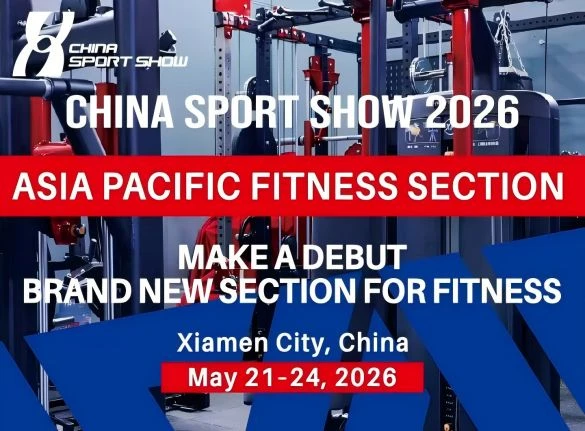
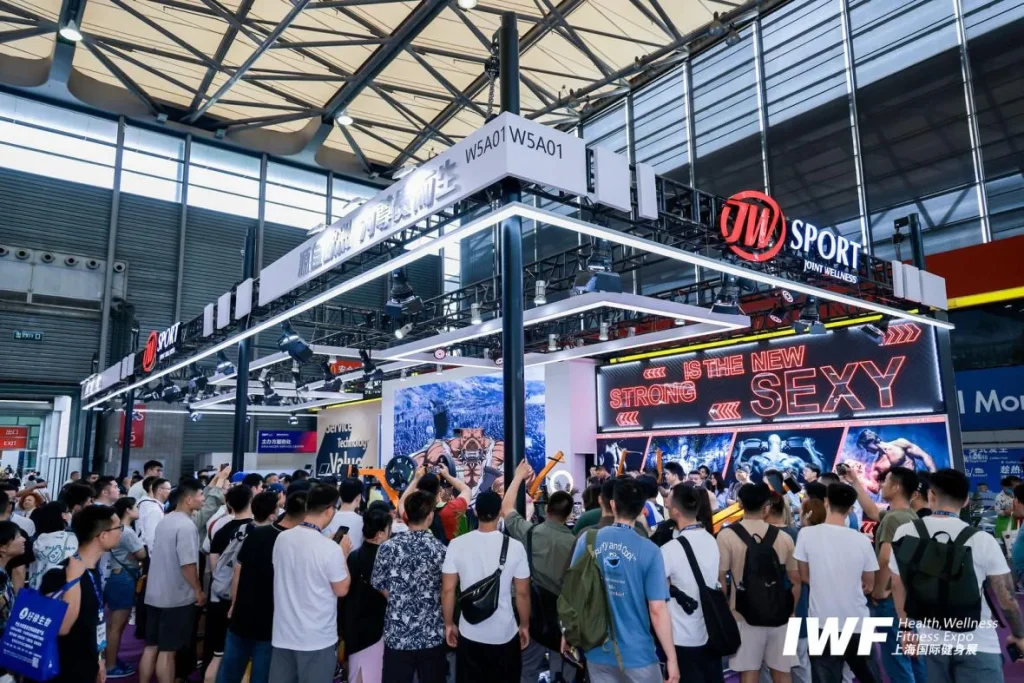
For the first time, the China Sport Show has been included in a State Council policy document, underlining its strategic role as a gateway to both domestic and global markets. As Asia-Pacific’s largest sports industry exhibition, the show has evolved into a platform for branding, innovation, and business networking. In 2025, it attracted over 4,000 overseas buyers across categories such as commercial fitness equipment and sports flooring, highlighting its international influence.
Conclusion and Outlook
The new policy framework provides three critical opportunities for China’s sporting goods industry: upgrading products, expanding globally, and integrating industry resources. Companies that increase R&D, strengthen brand positioning, and leverage trade fairs will likely gain stronger positions in global competition. For international partners, this means greater access to high-quality products and collaboration with Chinese manufacturers that are increasingly focused on innovation, quality, and global presence.