

Editor’s Note
As the global fitness equipment industry shifts from scale-driven expansion toward a greater emphasis on quality and operational efficiency, Chinese manufacturers are also transitioning from cost-based competition to a more comprehensive capability-driven model.
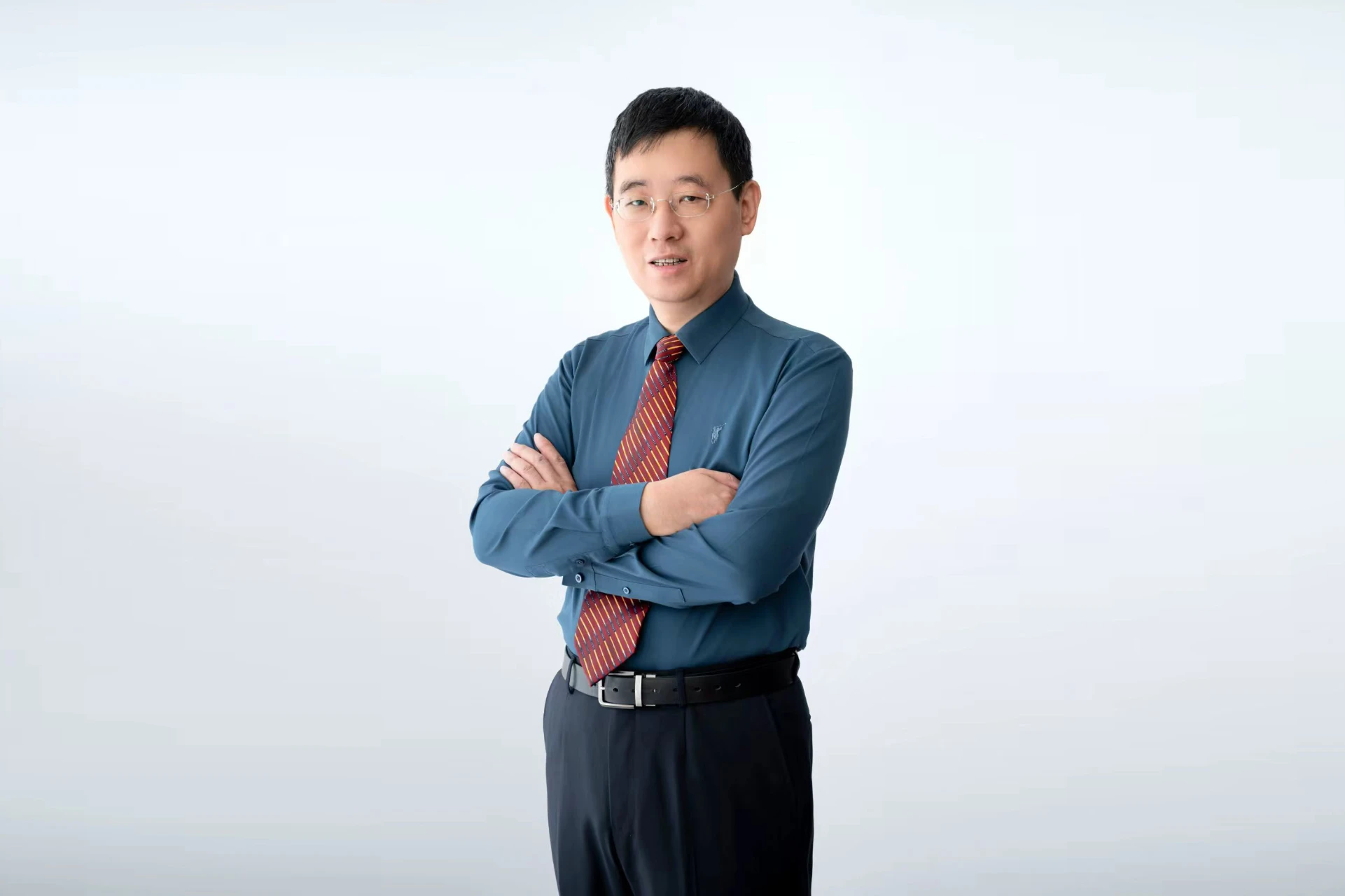
In this interview, we focus on Qingdao Sportsoul Co., Ltd. and speak with its General Manager, David Wen, to explore how the company is navigating this transformation. From entering the commercial fitness segment, to building a coordinated “China + overseas” supply chain through its Vietnam facility, and advancing a multi-dimensional strategy combining products, brand, and integrated solutions, Sportsoul’s approach reflects the broader evolution of Chinese fitness equipment manufacturers.
This conversation offers a closer look at how companies are redefining their long-term competitiveness in response to changing industry dynamics.
Q1: Entering commercial fitness as a strategic extension of global capabilities
We’ve noticed that your company plans to launch a new line of commercial fitness equipment this year. Does this signal that Sportsoul is strategically increasing its investment in the commercial fitness segment? What’s the market reasoning behind this—are you seeing new opportunities, aiming to enhance your product ecosystem, or are there other considerations?
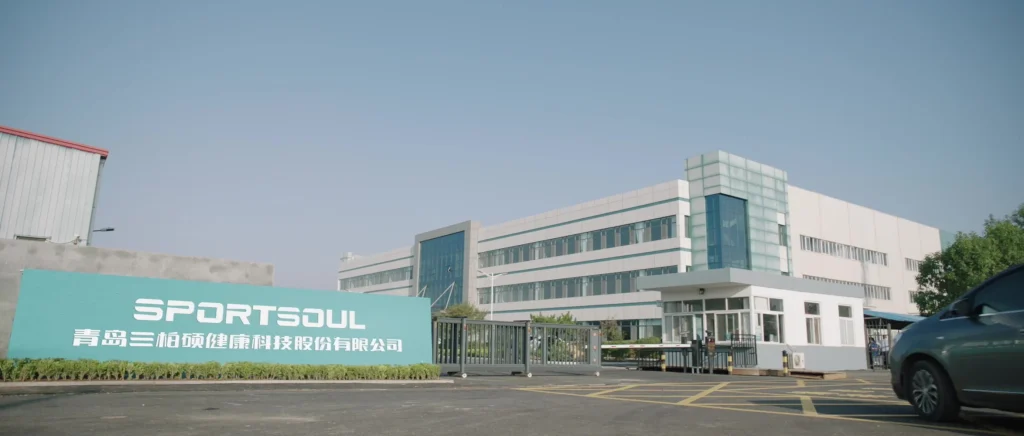
A: Since its founding in 1995, Sportsoul has been deeply committed to the sports and fitness equipment industry. Its products are sold in over 50 countries and regions worldwide, and over the years, the company has gained experience serving Fortune 500 clients such as Walmart, Costco, and Target. As a publicly listed company, Sportsoul has strengthened its manufacturing foundation while gradually building end-to-end capabilities across product development, supply chain management, and delivery systems.
From a market perspective, the global fitness industry is shifting from a focus on scale expansion to prioritizing quality and efficiency. Particularly, in overseas markets, significant differences in culture, consumer habits, and distribution ecosystems place higher demands on a company’s comprehensive capabilities—a strength that Sportsoul has developed through years of global operations.
For this reason, Sportsoul’s entry into the commercial fitness segment is both a natural extension of its existing capabilities and a proactive response to industry changes. It represents a strategic move aligned with market trends.
Q2: Balancing performance, durability, and efficiency in commercial equipment design
Regarding the new commercial fitness equipment project, could you share more details? Which core product categories will it cover? What is the market positioning strategy (for example, target customer groups, application scenarios, etc.)? And is there a clear timeline for launch and market promotion?
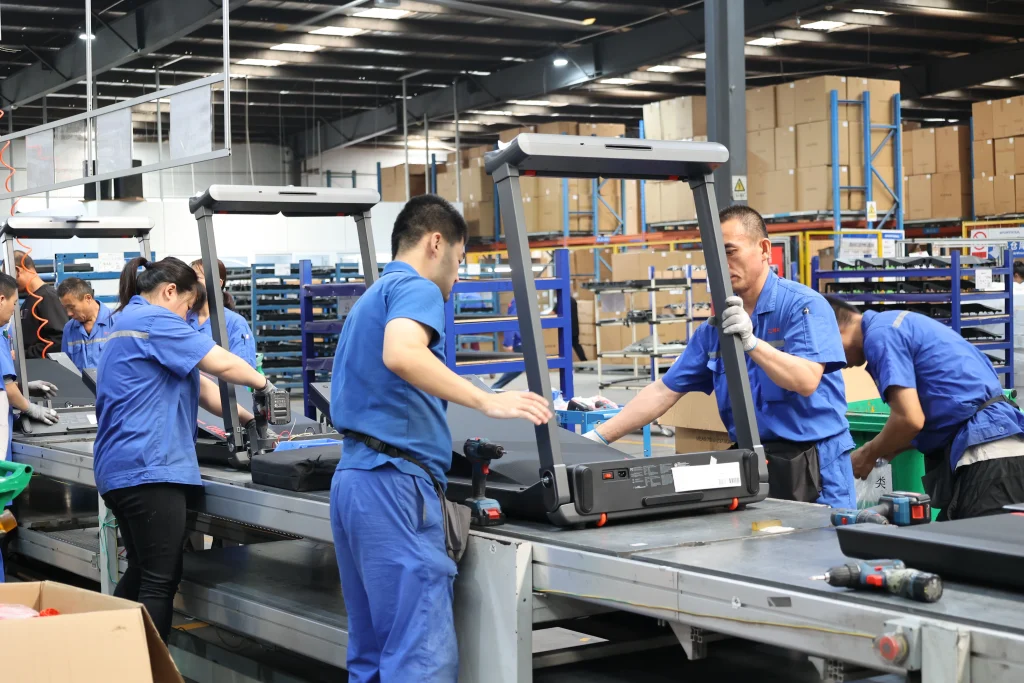
A: Sportsoul’s commercial fitness equipment portfolio covers three core categories: strength training, functional training, and cardio training. Backed by over 30 years of design experience and a team of around 50 engineers, the company continuously refines ergonomics, movement patterns, structural integrity, and key components—delivering a strong balance between user experience and durability, while keeping performance aligned with industry standards.
In terms of design philosophy, we emphasize smoothness, precision, stability, and ease of maintenance. Beyond training effectiveness, we also focus on reliability and operational efficiency in high-frequency usage environments. At the same time, through modular design and structural optimization, we improve transportation and installation efficiency, enabling better adaptation to the needs of different markets.
From an application perspective, our products are primarily designed for long-term operational settings such as chain gyms, corporate facilities, and public spaces. We also offer ODM and customized solutions to meet diverse spatial and usage requirements.
Sportsoul’s commercial fitness equipment will be showcased at several upcoming exhibitions, including FIBO in Germany this April and the China Sport Show in May. Through real-world application scenarios, we look forward to engaging more deeply with customers and continuously refining our products in practice.
Q3: Building a “China + overseas” supply chain for flexibility and resilience
We’ve noticed that your Vietnam facility began production of treadmills and other products last year. Looking ahead, what role will the Vietnam plant play in advancing your commercial fitness business? Could you share more details on the phased roadmap for this initiative—for example, the plant’s current operational status, the product categories you plan to expand into, and its strategic role within your global supply chain? Is it primarily aimed at meeting customers’ demand for supply chain diversification, or is it part of a broader long-term globalization strategy?
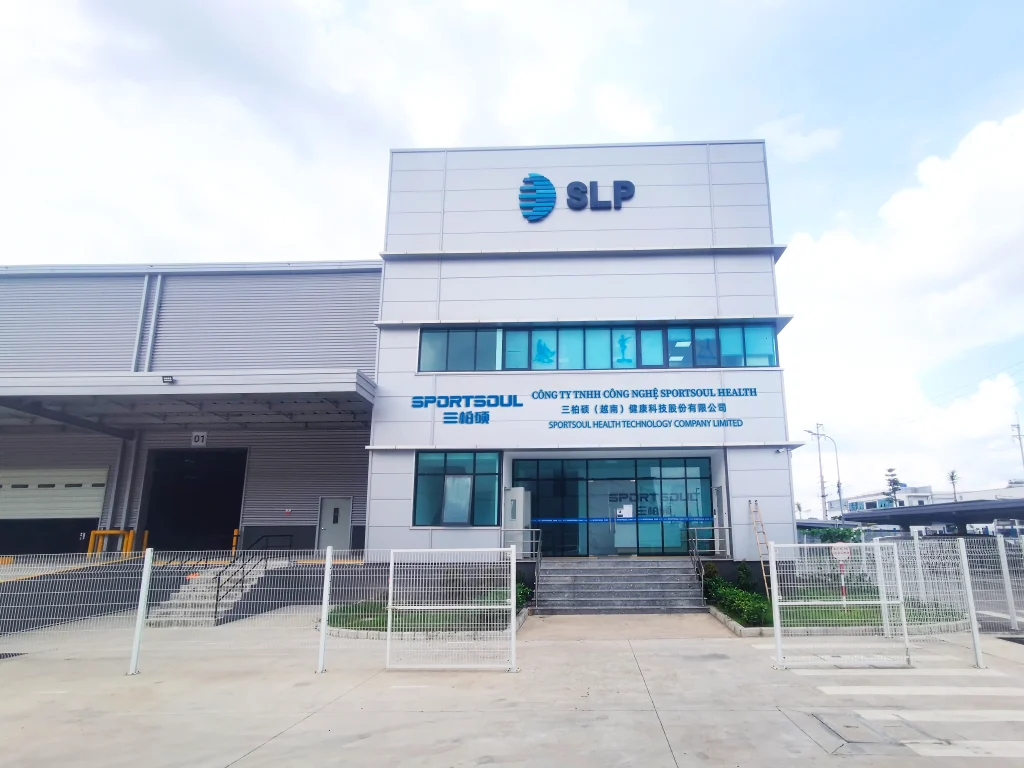
A: The Vietnam manufacturing base is a key part of Sportsoul’s global strategy. Its role goes beyond a simple shift in production capacity—it’s about replicating and implementing our proven manufacturing, supply chain, and delivery systems across different regions. In today’s dynamic global supply chain environment, this approach helps us build a coordinated “China + overseas” supply model, enhancing both flexibility and stability in delivery.
Since 2025, the Vietnam facility has made rapid progress and is steadily ramping up operations. It has strengthened our responsiveness to Southeast and South Asian markets, while also providing a solid foundation for further expansion of our international business.
Q4: Shared platform, specialized execution: driving efficiency in a multi-matrix model
Sportsoul Group operates with a distinctly diversified model—expanding product categories, managing both OEM/ODM operations and proprietary brands, and serving key accounts while building online channels. Within this multi-matrix structure, how does the company drive internal synergy—ensuring, for example, effective collaboration and resource sharing between R&D and supply chain? And as the business scales, what mechanisms are in place to prevent resource dilution and sustain high operational efficiency?
A: Our overall approach is “shared foundation, front-end specialization.” At the core—supply chain, manufacturing, and quality systems—we drive platform-based operations and resource sharing to minimize redundant investments. At the business level, each unit operates with relative independence, enabling faster and more effective responses to market and customer needs.
Take the commercial fitness division as an example. It operates as an independent business division, while still leveraging the Group’s shared resources and capabilities. This allows the division to maintain flexible decision-making and market responsiveness. Whether in R&D or sales, all efforts are guided by real customer usage scenarios, ensuring continuous improvement of both products and services.
Q5: From cost competition to capability-driven differentiation
In your view, compared with other large companies in the industry, what are Sportsoul’s key advantages? Looking ahead, what major opportunities and challenges does the company currently face in the competitive landscape? Which critical areas—such as technology, cost, brand, or market channels—do you plan to focus on to build a distinctive and hard-to-replicate core competitive edge?
A: From an industry comparison perspective, Sportsoul’s strengths lie primarily in two areas. First, our long-standing service to leading global clients has allowed us to build robust manufacturing and quality control capabilities. Second, years of international market experience have given us deep insights into regional user needs, usage environments, and product adaptation requirements.
The industry is increasingly shifting from competing on cost alone to competing on comprehensive capabilities. Today, customers expect top-notch product quality, expertise, and a great user experience—and they’re also paying more attention to digital features and support. In this environment, companies need to find the right balance between quality, cost, and how well products fit the market.
In response, Sportsoul pursues an innovation strategy that integrates technology and market insight. We maintain a consistently high level of R&D investment to continually enhance product performance, stability, and user experience. On the market side, we are steadily strengthening our own brand, while expanding reach through distribution and localized channels to enhance both global market access and brand influence.
Q6: Integrating product, brand, and solutions to unlock long-term value
China is a major hub for fitness equipment manufacturing, but many companies often get stuck in low-margin, highly competitive markets. From your perspective, what’s the best way for Chinese manufacturers to achieve a leap in value—through product innovation, brand building, or offering complete solutions? And why?
A: Product innovation, brand building, and solution capabilities complement each other—they are not mutually exclusive.
On the product side, the company follows a “market-driven with moderate foresight” approach to driving innovation, focusing on addressing real customer pain points and gradually establishing a market-oriented product innovation system.
In terms of brand building, we develop our own brand while collaborating with partners to explore region-specific brand expressions in different markets, enhancing market coverage and industry influence.
On the solutions front, as the industry moves toward smart, data-driven, and fully integrated facility operations, customer needs are expanding beyond standalone equipment to include connected devices, unattended operation, data support, and personalized training. In response, Sportsoul is committed to providing systematic, practical, end-to-end health solutions that meet the diverse needs of different markets and customer types.
As the industry shifts from competing solely on price to demanding higher quality, Sportsoul leverages the synergy of product innovation, brand building, and comprehensive solutions to continuously enhance customer value and build long-term, sustainable competitive strength.
Q7: Collaborative growth through continuous value creation
Finally, one last question: if you had to sum it up in just one sentence, what is the key message Sportsoul would like to share with the audiences of FitGearSource—including industry peers, buyers, and investors?
A: Sportsoul has always upheld the principle of “collaborative growth, continuously creating value for our customers.” For us, it’s more than just a slogan—it shows up in every partnership and project we take on. We also look forward to working more closely with partners and finding better solutions together in practice.
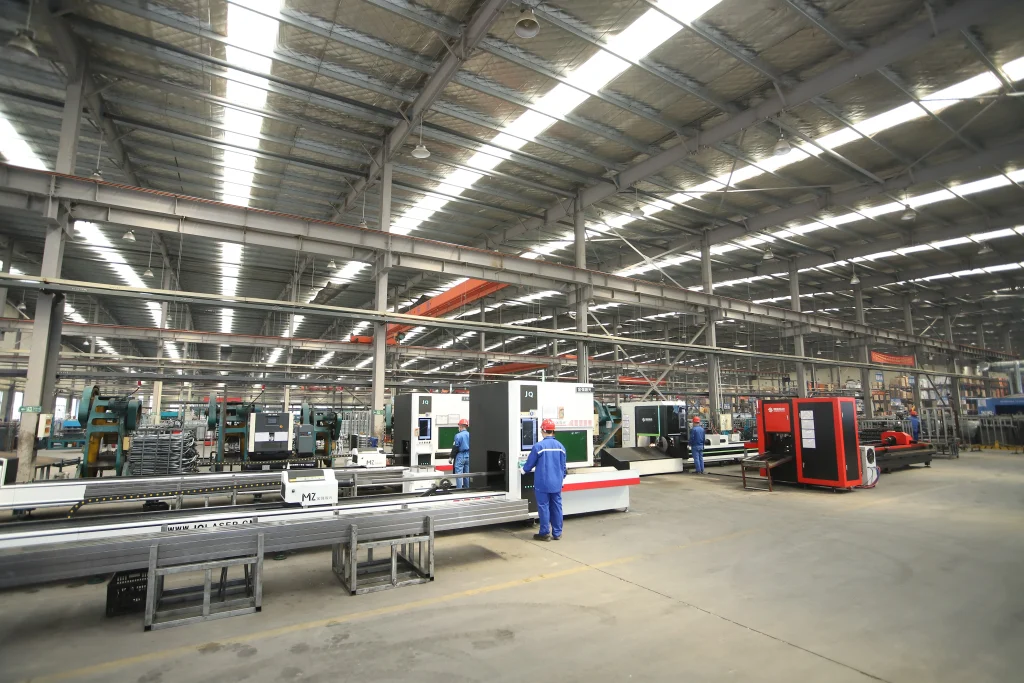
About Sportsoul:
Qingdao Sportsoul Co., Ltd. is a leading provider of integrated solutions in the commercial fitness and recreational sports industry. Recognized as a National High-Tech Enterprise, a Shandong Gazelle Enterprise, and a Smart Manufacturing Demonstration Unit, the company combines advanced technology with deep industry expertise.
With years of experience in domestic and international markets, Sportsoul has built strong OEM/ODM partnerships with top global brands, including Decathlon, Walmart, Costco, and Xiaomi. The company operates a CNAS-accredited lab and China’s first smart warehouse for fitness equipment, ensuring high standards in quality, innovation, and operational efficiency.
In 2024, Sportsoul achieved a 66.1% year-over-year revenue growth. While maintaining a strong presence overseas, the company is actively expanding in China’s broader health and wellness sector, developing commercial fitness, rehabilitation equipment, and AI-enabled products. Sportsoul is committed to delivering comprehensive, end-to-end health and fitness solutions, aiming to become a globally recognized leader in full-cycle wellness services.
About the Interviewee:
Wen Ke, (David Wen), male, Chinese national, born July 1974, holds a Ph.D. in Management Science and Engineering from the School of Economics and Management at Beihang University. He has held senior leadership positions including Assistant to the Chairman at China National Decoration Co., Ltd. (also Executive Vice President of its Hong Kong Investment Holding Company), Minister of Industrial Development Division at Xinxing Development Group Co., Ltd., General Manager of the Finance Division at Xinxing Development Group Co., Ltd., Director at Xinxing Xinhua (Shenzhen) Equity Investment Fund Management Co., Ltd., and General Manager of Impulse (QingDao) Health Tech CO., LTD.
He now serves as General Manager of Qingdao Sportsoul Co., Ltd., overseeing all aspects of the company’s operations, strategy, and growth initiatives.