

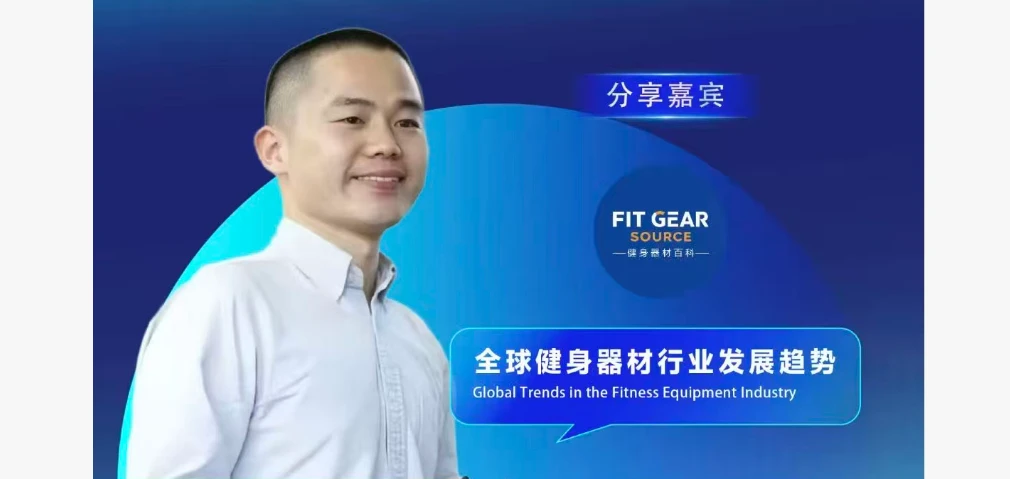
Speaker: Roger Yao | Founder of Fit Gear Source, Supply Chain Management Expert
Occasion: IWF Xiamen Fitness Equipment Industry Forum
Date: October 30, 2026
Introduction: Seeking Growth and Breaking the Vicious Cycle of Internal Competition
Good afternoon, fellow colleagues and friends in the fitness equipment industry! Thank you very much to IWF and Mr. Peng for the invitation.
Over the past two years, as I visited and served numerous fitness equipment supply chain enterprises, the most common pain point I heard was: “Order volumes don’t seem to have decreased—in fact, they’ve shown slight growth—yet our actual profit margins are declining significantly. Everyone is working harder than before, but returns are dropping, and there’s a growing sense of confusion about changes in international markets.”
Faced with complex macroeconomic environments, geopolitical factors, and shifting customs trade policies, how can Chinese fitness equipment companies successfully navigate global markets? Today, based on the latest industry statistics and market insights, I will share and exchange views with you across four key dimensions: global market structure, European and American consumer trends, ten key keywords for foreign trade in 2026, and the upgrading pathways for Chinese manufacturing supply chains.
I. Global Fitness Market Structure and Chinese Export Data Analysis
1. Global Market Overview: Steady Growth and Industry Consolidation
According to the latest reports from international authoritative research firms such as Grand View Research (for the 2023–2033 forecast cycle):
• Overall Market Trend: The global fitness equipment market size reached $19.7 billion in 2025 and is projected to reach $20.9 billion in 2026, expanding to $27.4 billion by 2033. The compound annual growth rate (CAGR) from 2026 to 2033 is expected to remain around 3.9%, demonstrating steady and modest growth.
• Industry Benchmark: Taking the publicly listed industry leader Johnson Health Tech as an example, its revenue was approximately $1.47 billion in 2024, $1.74 billion in 2025, and is projected to reach around $1.9 billion in 2026. Johnson alone accounts for nearly 1/10 of the global $20.9 billion market. In other words, approximately 11 companies of Johnson’s scale could fulfill the total global demand for fitness equipment.
Looking at the multi-dimensional structure of the global market in 2025:
• Equipment Type: Cardiovascular equipment accounts for 55.2%, while strength and other equipment account for 44.8%.
• End-Use Application: Home consumer equipment accounts for 51.1%, while commercial and other sectors account for 48.9%, maintaining a roughly equal split.
• Geographic Distribution: North America is the largest consumer market globally, accounting for 35.3%. Meanwhile, China and broader Asian markets represent the fastest-growing regions.
2. Current Status of Chinese Exports: Volume Increase, Price Decline, and Currency Impact
According to data from China Customs and the China Educational, Sports and Art Goods Association (as of August 2026):
• Overall Performance: From January to August 2026, China’s cumulative exports of sports goods maintained steady growth, with monthly year-over-year increases generally ranging between 6% and 7%.
• Country Breakdown: The United States remains the largest export destination (accounting for 29.29%), though cumulative exports to the U.S. grew by only 1.36% year-over-year from January to August, indicating a notable slowdown. Standout growth markets include Russia (up 23.70% YoY) and Brazil (up 56.96% YoY).
In addition, core European markets like Germany (+15.61%) and France (+15.78%) maintained solid growth. Along the Belt and Road route, countries such as Poland (+18.7%), Turkey (+18.1%), and Vietnam (+14.3%) demonstrated strong performance.
• Category Concerns (Treadmills as an Example): From January to August, China’s treadmill export volume increased by 10.19% year-over-year, but export value grew by only 3.88%. Calculated on a unit basis, the average export unit price dropped by 5.73% year-over-year.
• Compounded Currency Losses: Accounting for a 5% to 6% exchange rate fluctuation in the USD/RMB rate between January–August 2026 and the same period last year, the 5.73% decline in USD unit price combined with exchange rate factors means Chinese manufacturers experienced nearly a 10% reduction in actual RMB income when exporting the exact same quantity of equipment.
II. European and American Fitness Market Trends and Observations
To align with overseas consumer demand, we must understand shifts in end-user motivations. Combining the American College of Sports Medicine (ACSM) 2027 trend predictions with the American Council on Exercise (ACE) 2026 report, mainstream European and American trends can be summarized into three core themes:
1. Smart Technology & AI
• Wearable Technology: Holding the top spot in ACSM rankings for multiple consecutive years, wearables are evolving from simple “data logging” devices into tools providing “real-time, data-driven personalized exercise prescriptions.”
• AI & Data Integration: Artificial intelligence is becoming the operational backbone for programming, exercise intervention, and facility management. Additionally, mobile fitness apps and data-driven training technology continue to gain momentum.
2. Special Population Health & Longevity
• Healthspan & Longevity: Consumer demand has shifted beyond aesthetic body sculpting toward extending healthspan—maximizing years lived free of chronic disease and mobility issues.
• Targeted Population Needs: Increased focus is being placed on menopause health, metabolic health (such as blood glucose stability), muscle-preservation training paired with anti-obesity medications (GLP-1s), and fitness for older adults.
• Inclusive Fitness / Accessible Space: Over the past two years, the North American market has strongly promoted “accessible fitness spaces,” requiring equipment that accommodates individuals with disabilities or wheelchair users (e.g., accessible cable pull machines). This represents both the cultural movement of “fitness democratization/equality” and a high-potential market segment.
3. Recovery & Community Culture
• Recovery Methods: Contrast therapies (saunas and cold plunges), compression therapy, and percussive vibration devices have transitioned from auxiliary relaxation tools into standalone consumer services and membership offerings.
• Community & Events (Third Spaces): Fitness venues are evolving into a “third space” beyond home and work. Competitive fitness events (such as HYROX) and group fitness classes have resurged significantly, fostering highly engaged community ecosystems.
III. Ten Key Keywords for Fitness Equipment Foreign Trade in 2026
To bridge consumer psychological needs with manufacturing execution, I developed a four-tier model: Human Motivations (Laziness, Competitiveness, Vanity, Fear of Mortality, Boredom, Need for Affection) ➔ Wellness Goals ➔ Fitness Behaviors ➔ Physical Tools.
At the physical tools and supply chain level, Fit Gear Source has identified ten key keywords for the fitness equipment foreign trade sector in 2026:
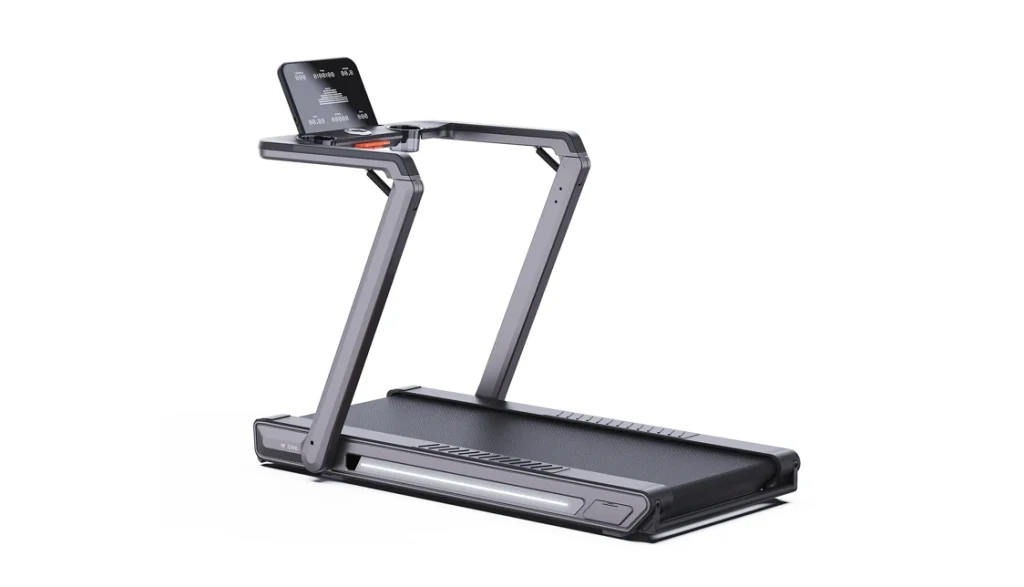
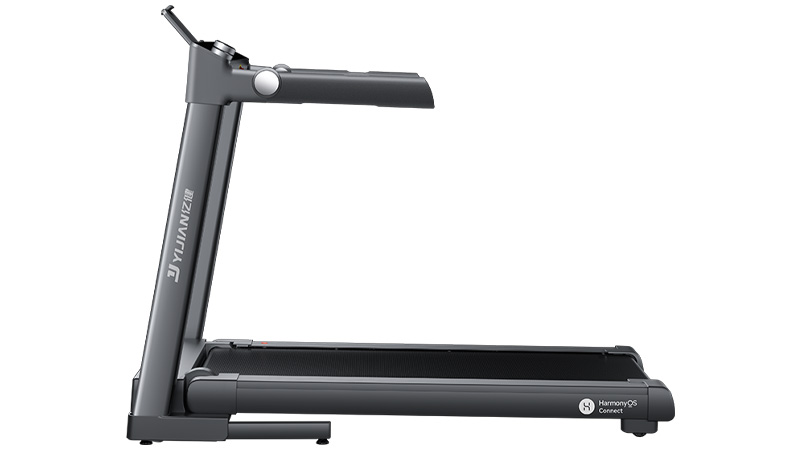
1. Walking Pad: A staple category in home fitness, now facing stricter regulatory oversight, platform compliance audits, and elevated chemical compliance standards in European and American markets.
2. AI Application: Transitioning from simple device-user interactions to intelligent, sensor- and physiological-data-driven exercise programming, real-time feedback, and interactive coaching.
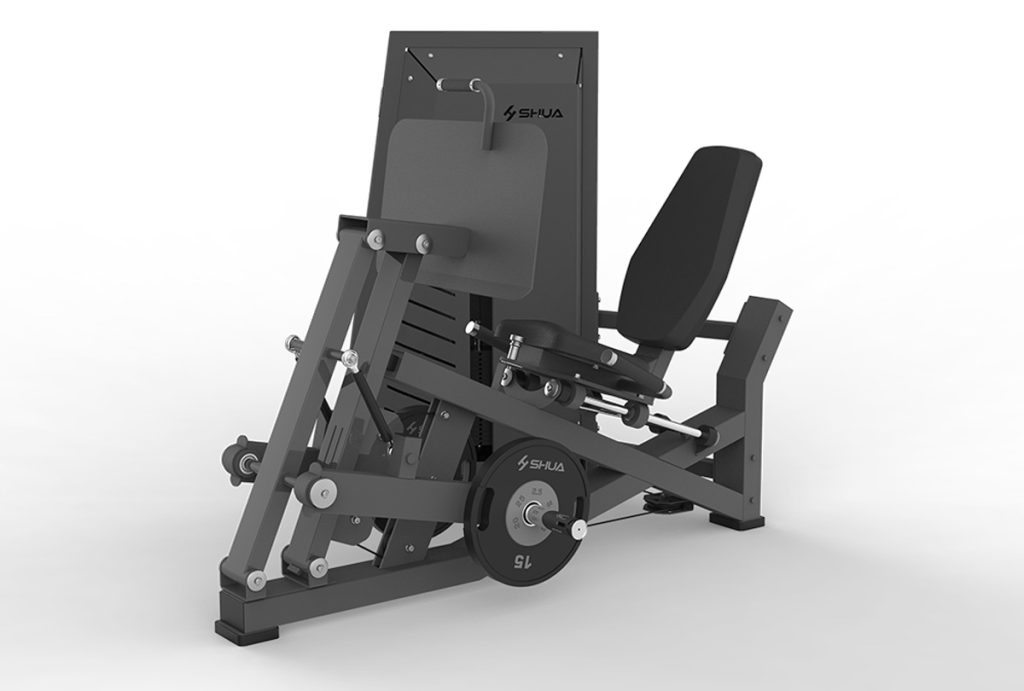
3. Strength Training Equipment: Demand for traditional strength equipment as well as light-commercial/home strength gear is rebounding strongly, with an increased focus on movement quality and muscle mass maintenance.
4. Fragmented Orders: Overseas procurement is shifting toward smaller batch sizes and higher order frequencies, placing immense demands on Chinese factories for agile manufacturing and flexible supply chain management.
5. Brand Globalization: Manufacturers are moving away from pure OEM reliance, actively building international DTC presence via cross-border e-commerce and localized overseas operations.
6. Competition Equipment (HYROX): R&D and supply of specialized, high-engagement, competition-grade gear customized for globally popular fitness races like HYROX.
7. Product Compliance: Mandatory certifications including REACH, CE, and CPSC, with heightened focus on chemical safety (non-toxic materials) and negotiated performance testing protocols.
8. Cross-border E-commerce: A core channel for directly reaching end-consumers (DTC), with strategic priorities shifting toward refined brand management and strict compliance risk management.
9. Digital Strength: Replacing traditional iron weight stacks with motor-driven electronic resistance technology to deliver digitalized, compact, and portable strength training experiences.
10. China-US Tariff Dispute: Tariff barriers and trade policy fluctuations in the core North American export market are compelling enterprises to restructure supply chain footprints and optimize cost strategies.
Critical Focus: Compliance Risk Control and Specific Performance Testing
Among these keywords, product compliance and China-US tariffs represent the two primary risk management priorities today:
• Compliance Warnings: European customs have recently seen frequent rejections, seizures, and public recalls of walking pads and yoga balls due to excessive hazardous chemicals (such as DEHP/DIBP phthalates or non-compliant PVC under REACH regulations), preventing many new product listings from going live.
• Testing Standard Upgrades: Standards like EN957, CE, RoHS, and REACH are now merely “baseline entry requirements.” An increasing number of high-end overseas buyers now demand “Product-Specific Performance Testing & Evaluation” (e.g., acoustic noise level tests under varied environments, structural durability testing). These tests are typically governed by custom Test Protocols negotiated tripartite between buyers, brand owners, and third-party testing bodies (such as SGS), rather than relying solely on generic national standards.
IV. Evolution of Business Models in Chinese Manufacturing & The ODDM Transformation Strategy
To map the evolutionary path of manufacturing enterprises, I divide the complete product lifecycle into a Nine-Module Circular Ecological Flywheel:
• Front-End (R&D & Production Capacity): 01. Product Definition | 02. R&D & Design | 03. Manufacturing
• Mid-End (Marketing & Sales Power): 04. Brand Marketing | 05. Channel Management | 06. Sales Communication
• Back-End (Service Capability): 07. After-Sales Service | 08. User Operations | 09. Feedback & Iteration
Within this full-value ecosystem, the business models of manufacturing plants have clear definitions and evolutionary directions:
1. Definitions of OEM, ODM, and OBM Business Models
• OEM (Original Equipment Manufacturer): Commonly referred to as contract manufacturing or white-label production. Manufacturers produce strictly according to drawings, specifications, and quality standards provided by the client (brand owner). The core competency lies in capacity management and cost control, while product R&D and IP rights remain with the client. In the nine-module flywheel, OEM focuses solely on “03. Manufacturing.”
• ODM (Original Design Manufacturer): Commonly referred to as custom design and manufacturing. Manufacturers possess independent R&D and industrial/structural design capabilities, providing engineering solutions to brand owners. Currently, most domestic factories remain in the primary ODM stage—making cosmetic modifications, minor structural adjustments, or tooling changes on top of OEM foundations—covering “02. R&D & Design + 03. Manufacturing.”
• OBM (Original Brand Manufacturer): Manufacturers establish and operate their own proprietary brands. The enterprise independently manages product definition, R&D, design, and manufacturing, while also driving brand marketing, channel setup, and after-sales services, achieving a complete closed loop across all nine modules.
2. Industry Pain Points & Opportunities: Engineering Gaps in Overseas Brands
The vast majority of factories today remain stuck in the primary ODM stage, competing fiercely within a narrow corridor of minor cosmetic tweaks and basic mechanical optimization, battling over unit costs and delivery lead times in a price-war trap.
However, a major shift has occurred in the competitive landscape overseas: 40 years ago, legacy European and American brands (such as Ketter, BH, etc.) integrated design, manufacturing, and brand management under one roof. Today, however, most small-to-medium overseas brand owners have closed their domestic manufacturing facilities, and senior engineering talent has retired. As a result, they have largely lost internal engineering design capabilities and technical execution resources. They understand branding and marketing, but struggle to translate market demands into precise engineering parameters.
When overseas buyers approach domestic factories with vague market concepts, traditional factory sales teams often lack deep international market insights and professional product definition capabilities, resulting in highly inefficient project communication.
To address this pain point, I propose the ODDM (Original Design & Definition Manufacturing) framework, where the second D stands for Definition (Product Definition).
Advanced ODDM manufacturers no longer passively receive requirements. Instead, they extend upstream into “01. Product Definition.” Leveraging deep technical expertise, factories help overseas buyers conduct market research, identify consumer pain points, define product specifications and performance metrics, and translate abstract concepts—such as special population wellness, data-driven training, or inclusive accessibility—into tangible, fully integrated physical product solutions.
V. Three Strategic Recommendations for Chinese ODM Enterprises
To break free from internal price wars and gain strategic initiative in international trade, manufacturing plants (especially ODM suppliers) must cultivate three core capabilities:
1. R&D-Driven Technical Moats: Increase R&D investment, master core hardware and software technologies, and establish modular development and agile iteration mechanisms.
2. Global Market Insight Capabilities: Shift away from a pure manufacturing mindset and deeply comprehend the underlying logic and stories behind European and American consumer trends. Rather than merely skimming reports, manufacturers must translate market demands directly into product design language.
3. Commercial B2B Marketing & Capabilities Presentation: Move away from traditional sales habits like “sending generic company profiles or price quotes.” Build modern B2B marketing matrices that clearly demonstrate engineering definition capabilities and comprehensive strength to premium overseas buyers through professional performance test reports, compliance certifications, patent portfolios, and online/offline showrooms.
Read more…




You must be logged in to post a comment.