
In late October 2026, California-based fitness holding company FitLab Inc.—the parent company of popular commercial equipment brand Assault Fitness as well as Y7 Studio and RPM Training—officially filed for Chapter 11 bankruptcy protection. Below is our in-depth analysis of FitLab’s expansion strategy, the severe operational impact on Assault Fitness equipment manufacturing and distribution, and what this filing means for commercial gym owners, equipment buyers, and the broader fitness industry.
Executive Summary
In late October 2026, Newport Beach, California-based FitLab Inc.—the parent entity behind Assault Fitness, Y7 Studio, RPM Training, and the Ragnar Relay series—filed a voluntary petition for Chapter 11 bankruptcy protection in the U.S. Bankruptcy Court for the District of Delaware.
The bankruptcy filing reveals a massive financial shortfall for the parent company:
- Estimated Liabilities: $100 million to $500 million
- Estimated Assets: $10 million to $50 million
- Total Creditors: Between 1,000 and 5,000 entities and individual claimants
The portfolio breakdown across FitLab’s key divisions highlights widespread disruption prior to the court filing:
- Assault Fitness (Commercial Equipment): Manufacturing pipelines halted, widespread supply chain stockouts, and unpaid commercial equipment orders.
- RPM Training (Equipment & Gear): Supply chain disruptions, production changes, and unfulfilled customer backorders.
- Y7 Studio (Boutique Studios): All physical hot yoga locations closed dark between late August and mid-September 2026.
- Nike Studios (Group Training): Partnership operations ceased completely in March 2026.
- Ragnar Relay (Endurance Events): Operations undergoing ownership transfer to an external investor group to maintain race schedules.
The court filing marks a stark fall for FitLab, which sought to construct an all-in-one platform combining commercial fitness equipment, boutique fitness studios, athletic events, and digital training.
Part I: The Fall of Assault Fitness — From Category King to Portfolio Casualty
To understand the scope of FitLab’s collapse from an equipment perspective, fitness equipment buyers must examine the trajectory of Assault Fitness and how its acquisition by FitLab impacted its production and distribution.
1. The Heritage of the AssaultBike
Founded in 2004 in Carlsbad, California, under LifeCORE Fitness, LLC, Assault Fitness built a formidable global reputation around heavy-duty, air-resistance HIIT equipment.
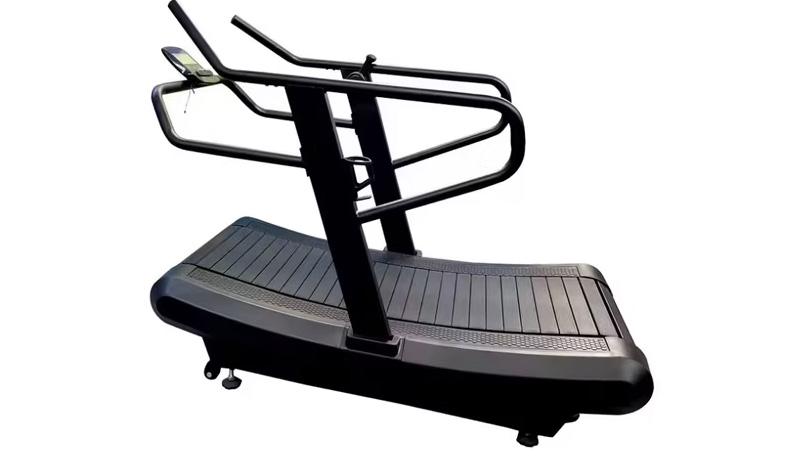
Its flagship product, the AssaultBike (often dubbed the “AirBike”), became an essential training tool in CrossFit boxes, commercial fitness facilities, and professional sports training centers worldwide. Its dual-action design and infinite air resistance set the benchmark for conditioning hardware. The company later expanded its equipment lineup with the manual AssaultRunner treadmill and AssaultRower.
2. The 2024 Acquisition by FitLab
In February 2024, FitLab—founded by former executives from Nike and New Evolution Ventures—acquired both Assault Fitness and speed-rope maker RPM Training.
FitLab’s pitch to investors was the creation of an end-to-end fitness ecosystem: pairing physical studio locations (Y7 Studio), mass-participation endurance events (Ragnar Relay), recovery platforms (XPT), and premium equipment hardware (Assault Fitness).
3. Supply Chain Breakdown and Equipment Delivery Failures
Rather than receiving growth capital, Assault Fitness’s manufacturing operations were severely disrupted as parent-level cash drains mounted:
Equipment Manufacturing Debts: Court filings show millions in unpaid claims owed to commercial equipment factories, component suppliers, and global logistics partners.
Fulfillment Failure: By mid-2025, commercial gym owners, distributors, and individual consumers began reporting multi-month shipping delays on pre-paid AssaultBikes, runners, and replacement parts. Right before the filing, the majority of products on the Assault Fitness website remained out of stock.
Legal Scope: LifeCORE Fitness, LLC (the operating entity behind Assault Fitness) was formally included as an affiliated entity in FitLab’s Chapter 11 court petition.
Part II: Financial Breakdown & Industry Lessons
FitLab’s top 30 unsecured creditors account for nearly $32 million in claims, illustrating the severe cash flow strain across marketing, acquisition debt, and hardware operations:
- Elysian Park Ventures: Claiming over $7,000,000 in convertible debt.
- Google: Owed approximately $1,400,000 for unpaid advertising fees.
- RPM Training Founders: Claiming $1,300,000 in unpaid earnout payments from the 2024 equipment brand sale.
- Meta / Facebook: Owed approximately $600,000 in unpaid advertising fees.
1. The Flaw in Combining Equipment Manufacturing with Studio Operations
FitLab tried to tie together distinct business models that operate on fundamentally different cash-flow cycles:
Hardware & Equipment Manufacturing: Requires heavy upfront working capital for raw materials, inventory procurement, overseas shipping, warehousing, and warranty support.
Boutique Studios: Requires high fixed real estate leases and local staffing overhead.
Mass Events: Involves seasonal cash flows dependent on field logistics and registration volume.
The theoretical cross-selling synergy between a hot yoga enthusiast, a relay runner, and a commercial CrossFit box owner purchasing gym equipment proved weak. Elevated corporate overhead and digital marketing expenditures quickly burned through available liquidity, depriving equipment operations of necessary working capital.
2. What This Means for Commercial Equipment Buyers
Under Chapter 11, FitLab benefits from an automatic stay on debt collection while it attempts to sell or restructure its assets. However, for gym owners or consumers who paid upfront for Assault Fitness equipment that was never delivered, the outlook is challenging:
Customers with unfulfilled equipment orders are categorized as general unsecured creditors.
Secured lenders and primary debt holders hold priority over liquidation proceeds or asset sales, leaving minimal recovery for unsecured equipment claims.
What’s Next for Assault Fitness Equipment?
A Chapter 11 filing does not automatically mean the total disappearance of an equipment brand.
The most likely path forward for Assault Fitness is a Section 363 asset auction under bankruptcy court supervision. Because Assault Fitness remains a recognized and respected equipment brand in commercial gyms and athletic conditioning, a third-party buyer—such as a private equity group or a competing commercial equipment manufacturer—may bid to acquire the intellectual property, design patents, and manufacturing assets free and clear of FitLab’s existing liabilities.
The Bottom Line for the Equipment Market: FitLab’s downfall serves as a reminder to the fitness equipment industry that financial aggregation strategies cannot substitute for disciplined supply chain management, working capital control, and reliable equipment manufacturing.
Read more…


You must be logged in to post a comment.