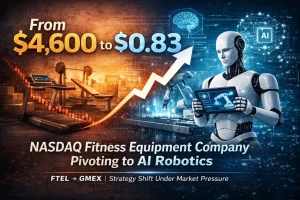
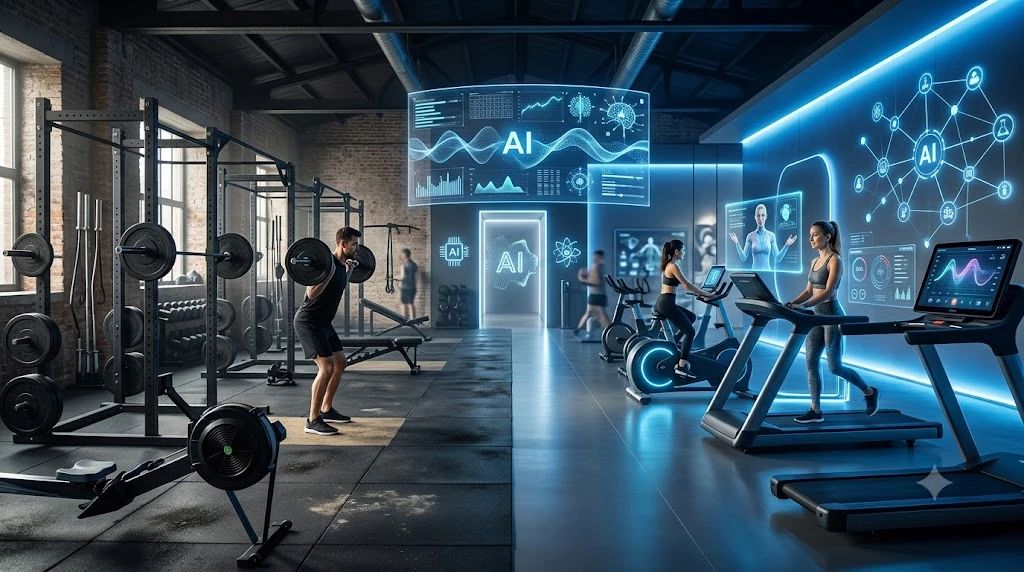
Australia-founded Nasdaq-listed GMEX Robotics Corporation (NASDAQ: GMEX, formerly Fitell Corporation) recently announced that it has entered into a definitive share purchase agreement to acquire an initial 30% fully diluted equity stake in Singapore-based AI firm Alpha Meta AI Pte. Ltd. (the operator behind MediaMeta.ai).
The transaction includes an option for GMEX to purchase additional shares to secure a controlling interest, with purchase consideration payable through a combination of cash and GMEX common stock.
Key Deal Highlights
Performance Earn-Out & Capital Protections: Under the agreement, Alpha Meta AI has committed to a aggregate revenue target of $52.6 million over a five-year period following closing. Should the target fall short, GMEX retains clawback and price-adjustment rights.
Perpetual Royalty-Free Licensing: GMEX and its subsidiaries will secure a perpetual, exclusive, fully paid-up, and royalty-free technology license covering MediaMeta’s intellectual property, software, AI models, and robotics-related behavioral data.
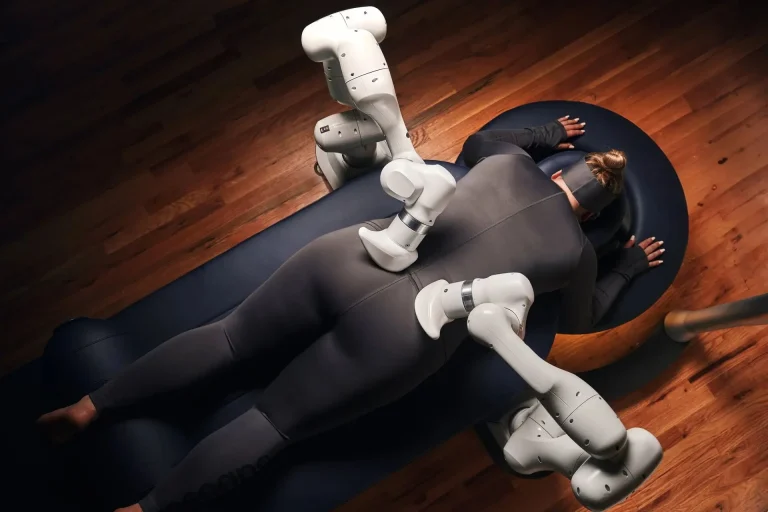
Infusing Hardware with Social AI: MediaMeta specializes in social intelligence and human-behavioral modeling designed to give AI systems context-awareness. GMEX plans to integrate this technology into its emerging hardware portfolio across smart health, home assistance, and commercial service applications.
The Evolution of GMEX: From Fitness Equipment E-Commerce to Multi-Front Expansion
For fitness hardware manufacturers and distributors, GMEX serves as an intriguing—and dramatic—case study of a legacy equipment brand attempting a radical reinvention:
Fitell Corp (2005 – Mar 2026) ────► Strategic Trials (2025 – Early 2026) ────► GMEX Robotics (Mar 2026 – Present)
└─ Fitness E-Commerce & Distribution └─ Culinary Robotics & Crypto Treasury └─ Embodied AI & Social AI Platform
Legacy Foundations in Fitness Equipment (Since 2005)
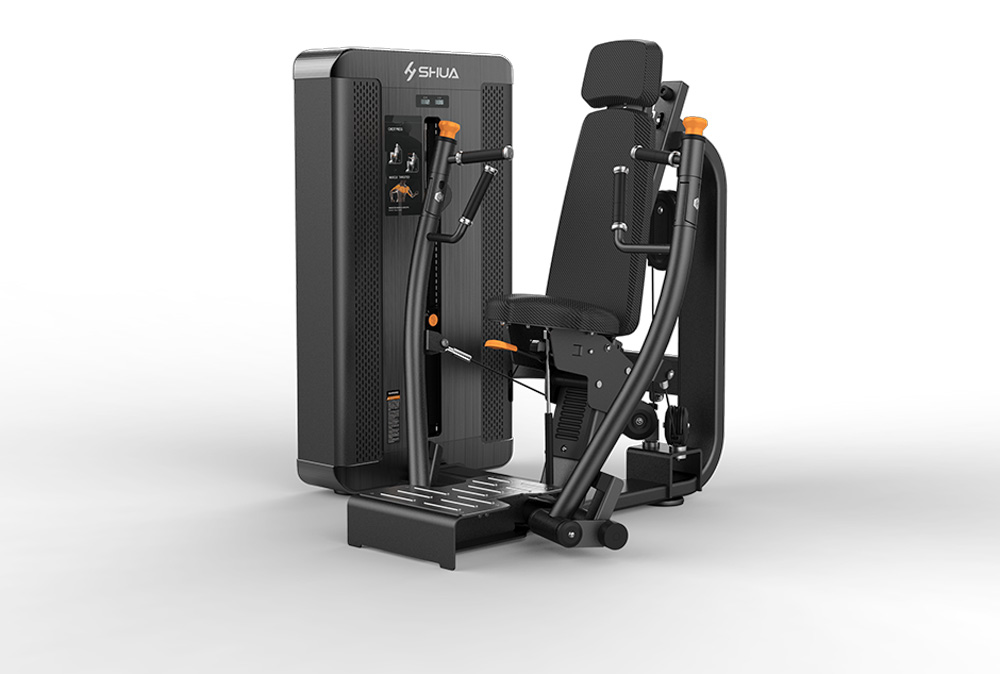
Founded in Australia in 2005, the company originally operated as Fitell Corporation. Through its core subsidiary, GD Wellness, it built a portfolio of proprietary equipment brands—including Muscle Motion (strength equipment), Rapid Motion (commercial fitness), and FleetX (cardio machinery)—alongside distribution rights for third-party brands like Harison. With over 2,000 SKUs, it accumulated an active customer base of over 100,000 fitness enthusiasts.
According to its SEC filings, Fitell also sought to leverage customer insights to create an “equipment + nutrition” ecosystem, partnering with an Australian pharmaceutical developer to formulate white-label sports nutrition products, including protein powders, multivitamins, and recovery drinks.
Post-Pandemic Headwinds & Initial Pivots (2025 – Early 2026)
As post-pandemic demand for home gym equipment cooled and hardware margins compressed, the company actively searched for fresh growth drivers.
In October 2025, Fitell partnered with 2F Robotics to introduce 2FCulinaryAI, an automated cooking robot designed to pair custom meal preparation with sports nutrition science—attempting to convert fitness hardware buyers into recurring software and service subscribers.
Rebranding and the Shift to AI Robotics (March 2026 – Present)
In March 2026, Fitell officially rebranded as GMEX Robotics Corporation, pivoting away from traditional fitness equipment branding to position itself fully as an AI-driven consumer and industrial robotics platform.
Industry Perspective: Breaking Free from Hardware Bottlenecks
GMEX Robotics’ recent moves reflect a broader imperative felt across the fitness equipment sector: finding sustainable second-growth curves in a changing market landscape.
Market Reality: Micro-Cap Pressures & Survival Pivots
It is worth noting that GMEX currently trades at a micro-cap valuation (approx. $1.2 million as of late July 2026) and recently executed a 1-for-9 reverse stock split to maintain its Nasdaq listing compliance.
Sluggish post-pandemic equipment sales and margin erosion pushed management to explore aggressive strategic alternatives—ranging from building a digital asset treasury (including Solana holdings) to rebranding as an AI robotics entity. This trajectory highlights the urgency felt by legacy hardware brands when core categories face growth plateaus.
Structural Barriers in Traditional Fitness Hardware
Legacy equipment manufacturers typically grapple with three structural limitations:
- Long Replacement Cycles: Commercial and home fitness equipment are durable goods, resulting in low repeat-purchase frequency.
- Commoditization & Price Competition: Pure hardware offerings without software or data integration often degenerate into price wars.
- Engagement Drop-Off: Passive equipment cannot actively intervene to address user motivation or adherence.
GMEX’s recent trajectory demonstrates a deliberate effort to step outside these traditional constraints.
The “Post-Equipment” Horizon: Two Strategic Paths for AI + Fitness
GMEX’s transformation illustrates two distinct strategic directions available to fitness brands exploring AI technology:
Path 1: Divergence from Fitness Hardware
Completely transcending traditional fitness products to pivot into higher-margin sectors like Embodied AI, service robotics, and general-purpose automation, treating fitness merely as one of several niche application scenarios.
Path 2: Convergence (AI + Fitness Integration)
Integrating social and behavioral AI into physical fitness hardware. By applying MediaMeta’s human-behavioral modeling, next-generation fitness equipment could interpret user fatigue, emotional stress, and procrastination habits—delivering personalized “empathetic coaching” that boosts long-term user retention.
The Big Question: Market Acceptance and Commercial Reality
While AI remains a dominant market theme and “AI + Health” presents compelling opportunities, whether new hardware products can gain rapid commercial traction remains the ultimate test. Deep AI and robotics R&D require significant capital burn. The commercial viability of health-focused robotic products will ultimately depend on order volume and cash-flow generation rather than narrative appeal alone.
Final Takeaway
GMEX Robotics’ journey represents a bold attempt by a traditional fitness equipment business to reinvent itself amid changing market dynamics, capital market pressures, and the rise of AI.
For fitness industry leaders evaluating their own digital transformations and hardware strategies, GMEX’s playbook—across brand repositioning, asset diversification, and AI integration—offers a compelling case study worthy of close observation.