
I. The Origin of Mr. Olympia: From Vision to Global Benchmark
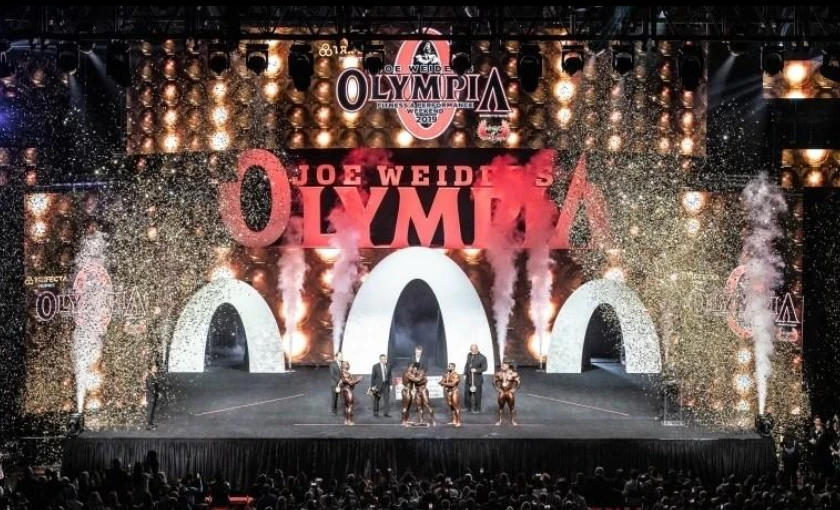
When Joe Weider founded Mr. Olympia in 1965, his ambition was not simply to create another bodybuilding contest, but to establish a final destination for the sport’s elite athletes. Before Olympia, bodybuilders could win amateur titles, but there was no ultimate professional stage where the best could continuously compete and build long-term careers.
The first competition, held in New York, marked the beginning of a new era. Over time, Mr. Olympia became institutionalized under the International Federation of Bodybuilding and Fitness system, evolving into the most authoritative and recognized bodybuilding event worldwide.
What makes Olympia unique is not only its competitive level, but also its symbolic value. Winning the title of “Mr. Olympia” means more than being the best athlete in a given year—it represents the highest standard of human physique development, combining muscularity, symmetry, conditioning, and presentation.
The rise of Arnold Schwarzenegger in the 1970s further elevated Olympia into mainstream culture. Through media exposure, films, and public appearances, Schwarzenegger transformed bodybuilding from a niche sport into a global phenomenon. Since then, Olympia has stood at the intersection of sport, entertainment, and business, shaping not only athletes but the entire fitness industry.
II. Olympia as an Industry Ecosystem, Not Just a Competition
To understand Mr. Olympia purely as a competition would be an oversimplification. In reality, it functions as a global ecosystem that integrates sport, commerce, and culture.
Each year, Olympia Weekend attracts not only athletes but also manufacturers, supplement brands, fitness platforms, and media. The accompanying expo has become one of the largest gatherings in the global fitness industry, where trends are launched and commercial relationships are formed.
From a market perspective, Olympia plays several roles simultaneously. It defines aesthetic standards that influence training goals worldwide. It acts as a marketing stage where brands align themselves with elite performance. It also serves as a testing ground for innovation, whether in nutrition, training methodologies, or equipment design.
For professionals in the fitness equipment and supply chain sector, Olympia is particularly important because it represents the highest level of user demand. The physiques seen on stage are not accidental—they are the result of advanced training systems, precise biomechanics, and optimized equipment usage. In this sense, Olympia indirectly drives product development and innovation across the industry.
III. The Entry of China: From Absence to Participation
Compared to Europe and North America, China’s involvement in professional bodybuilding—and particularly in Olympia—started relatively late. It was not until 2017 that Chinese athletes first appeared on the Olympia stage, marking a symbolic breakthrough.
However, what followed was a period of rapid development. Within just a few years, Chinese athletes began to close the gap with international competitors. The performance of Chen Kang in 2019, achieving a top-five finish in the Classic Physique division, demonstrated that Chinese athletes were no longer merely participants, but increasingly competitive contenders.
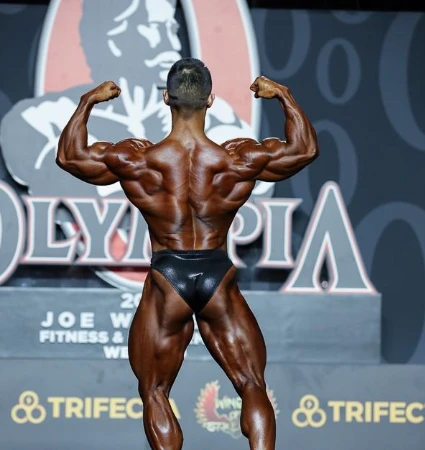
By 2024, the number of qualified Chinese athletes had grown significantly, reaching 18 competitors in a single year. This increase reflects not only improved individual performance but also the emergence of a more structured training and competition system within China.
Behind these results lies a demanding qualification pathway. Athletes must first earn an IFBB Pro Card through amateur competitions, proving their readiness to compete at a professional level. They must then succeed in IFBB Pro events, often held globally, before securing a qualification for Olympia. This multi-stage system ensures that only the most consistent and high-performing athletes reach the final stage.
IV. Structural Development: The Introduction of Olympia Certification in China
The year 2019 marked another turning point, not only for athletes but for the broader Chinese fitness industry. The introduction of Olympia certification programs into China signaled a deeper level of integration with international standards.
Through partnerships with local institutions, officially authorized training systems were established. These programs cover areas such as resistance training and fitness nutrition, and they are delivered by instructors certified under the Olympia system. Each certification carries a unique identification number and can be verified internationally, reinforcing its credibility.
From an industry perspective, this development is highly significant. It represents a shift from individual-driven progress to system-driven growth. Instead of relying solely on isolated athletes or coaches, China is gradually building an infrastructure that supports long-term talent development.
This process also aligns with broader global trends in the fitness industry, where standardization, certification, and professional education are becoming increasingly important. For China, adopting such systems helps bridge the gap with more mature markets and accelerates its integration into the global fitness ecosystem.
V. The Current State of Bodybuilding in China: Progress and Reality
Today, bodybuilding in China is in a transitional phase. On one hand, participation is increasing, and the visibility of the sport is growing. On the other hand, there are still clear gaps compared to leading markets.
One of the most notable changes is the expansion of the talent base. More athletes are entering the sport, supported by improved access to training facilities, coaching, and information. Social media and digital platforms have also played a role, making bodybuilding more visible and accessible to younger generations.
At the same time, the training system is becoming more sophisticated. Coaches are increasingly adopting international methodologies, focusing on areas such as periodization, nutrition planning, and posing techniques. The influence of global competitions like Olympia has accelerated this learning process.
However, challenges remain. In terms of peak conditioning, competition strategy, and long-term athlete management, there is still a gap between China and traditional bodybuilding powerhouses such as the United States. Commercially, the ecosystem is also less mature, with fewer sponsorship opportunities and less developed athlete branding systems.
VI. Looking Ahead: The Future of China in the Olympia Landscape
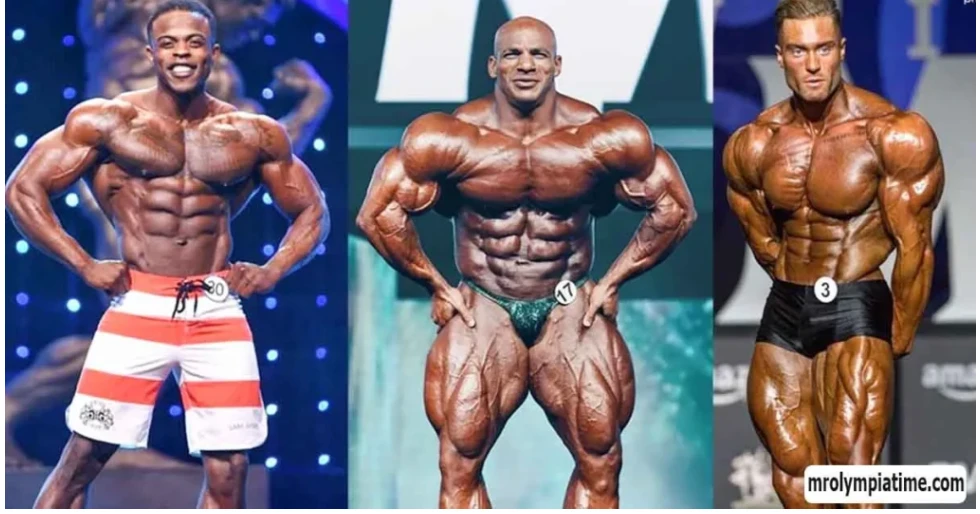
The future of Chinese bodybuilding is closely tied to both domestic development and international integration. The planned adjustments to the Olympia qualification system, including the return of a points-based mechanism in 2026, may create more opportunities for athletes to qualify through consistent performance rather than single-event victories.
At the same time, the broader fitness market in China continues to expand. As more people engage in strength training and physique-oriented fitness, the foundation for competitive bodybuilding will naturally grow stronger.
From a strategic perspective, the key question is not whether China will produce more Olympia athletes, but how it will position itself within the global ecosystem. Will it remain primarily a participant, or will it become a contributor—shaping trends, producing champions, and influencing industry standards?
VII. Conclusion: Understanding Olympia Beyond the Stage
Mr. Olympia represents the highest level of bodybuilding, but its significance extends far beyond competition results. It is a global reference point for physical excellence, training systems, and industry development.
China’s journey—from its first appearance in 2017 to its growing presence today—reflects a broader transformation within the country’s fitness industry. It is a story of catching up, learning, and gradually building its own system.
For industry professionals, especially those involved in fitness equipment, training systems, and supply chains, Olympia offers valuable insights. It reveals where the highest standards lie, how demand evolves, and what direction the industry is moving toward.
As China continues to integrate into this global framework, its role will likely become more prominent. The next phase will not only be about participation, but about contribution and influence—a shift that will define the future of bodybuilding in China and its connection to the world stage.

Comments (0)
No comments yet, be the first to comment!