
Global fitness equipment manufacturing leader Johnson Health Tech (1736.TW) held an opening ceremony for its second plant in Bac Ninh, Vietnam (JIV2) on August 3, 2026. The ceremony was co-hosted by Johnson Health Tech Chairman Peter Lo and Du Van Su, Deputy Director General of the Foreign Investment Agency under Vietnam’s Ministry of Finance.
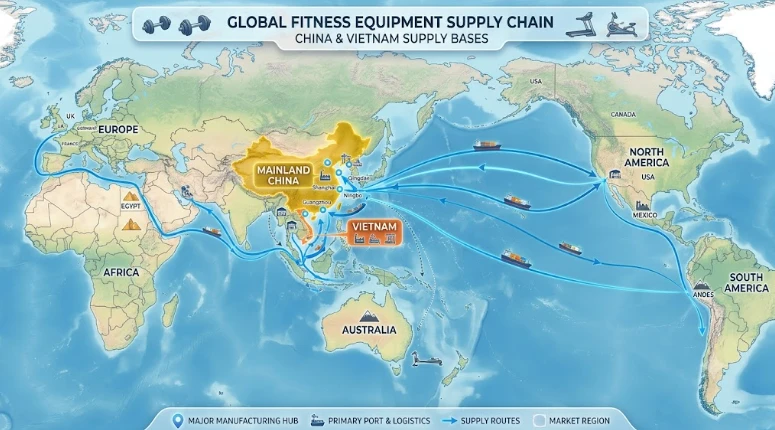
With the release of new capacity in Vietnam, the manufacturing base there will surpass Mainland China, elevating Vietnam to Johnson Health Tech’s largest manufacturing hub and supply backbone globally.
Chairman Peter Lo announced that the group will leverage the new Bac Ninh facility as a key growth engine to aggressively target NT100billion(approx.US3.1 billion) in revenue by 2028, while striving toward a long-term vision of reaching NT300billion(approx.US9.3 billion) by 2040.
I. Opening of Bac Ninh Plant II: Next-Gen Smart Factory and Capacity Planning
Located in the Thuan Thanh I Industrial Park in Bac Ninh Province, Johnson Health Tech’s second Vietnam plant covers an area of 20 hectares with a total investment of US70million(approx.NT2.26 billion to NT$2.42 billion).
The facility integrates automated and digitalized production workflows, aiming to build a high-efficiency, low-energy, next-generation smart showcase factory. Currently employing around 1,100 people, the workforce is projected to expand to 2,000 by the end of this year.
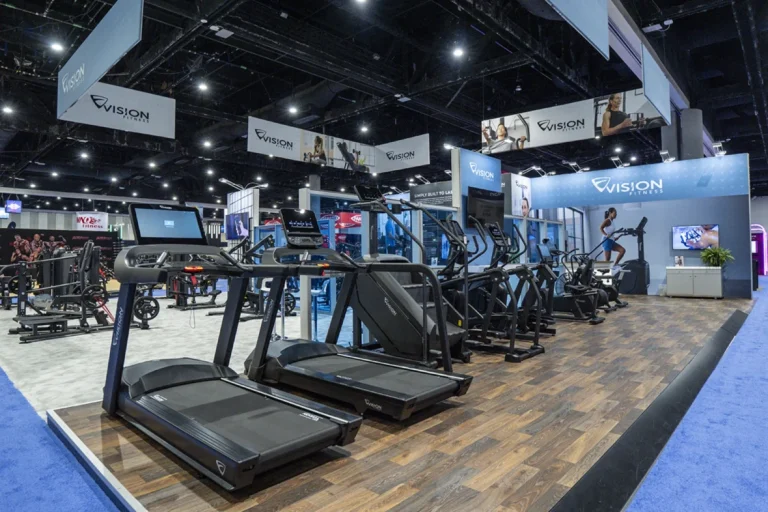
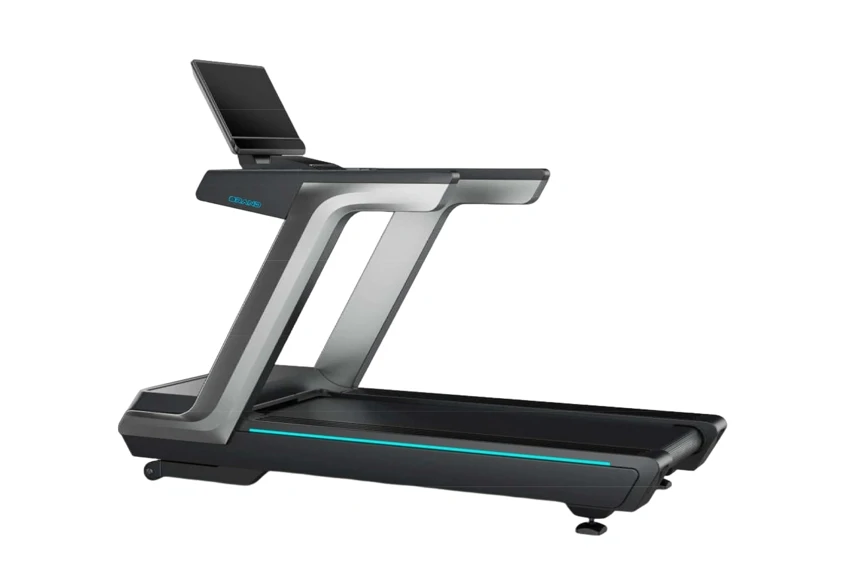
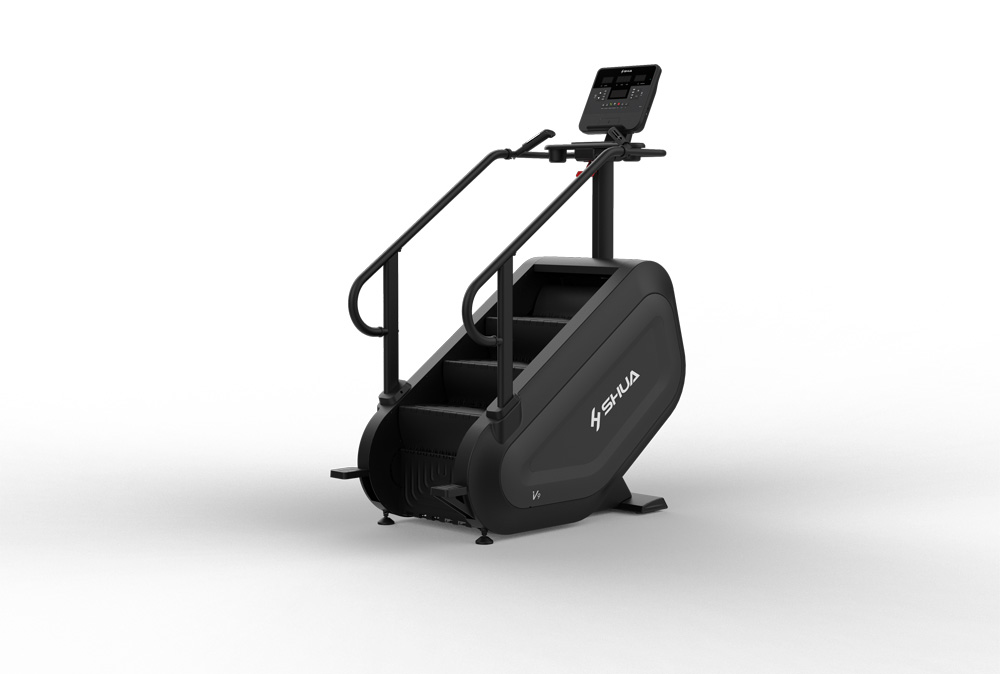
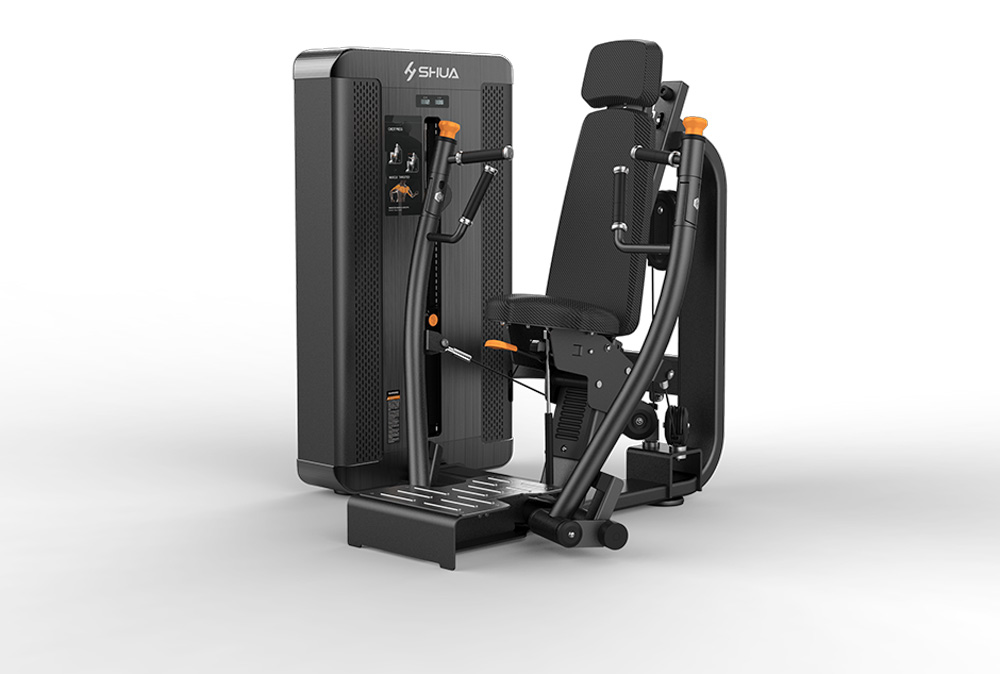
Core Products and Technology: The second Bac Ninh plant mainly manufactures commercial and home-use electric treadmills, ellipticals, cross-trainers, indoor cycles for commercial gyms, strength training equipment, and related components. The new factory has achieved 100% in-house manufacturing for critical components—including motors, electronic control systems, running decks, and belts—substantially improving product quality and delivery flexibility.
Capacity and Output Value: At full capacity, the new plant is projected to achieve an annual output value of US400million(approx.NT12.9 billion). Located just a 9-minute drive from Vietnam Plant I (which generates an annual output value of approx.
US200million),thetwofacilitiesofferexceptionaloperationalsynergyandlogisticsflexibility.Combined,thetwoplantswillboosttotalannualoutputvaluetoUS600 million (approx. NT$19.35 billion), representing over half of the group’s total global production.
II. Global Manufacturing Footprint, Cost Advantages, and Tariff Comparisons
In response to changing global markets and supply chain realignments, Johnson Health Tech is leveraging its highly vertically integrated R&D and manufacturing capabilities to strategically divide operations across its seven global manufacturing facilities and overseas bases:
1. Cost and Tariff Comparison Across Mainland China, Taiwan, and Vietnam
Production Costs: Overall production costs in Vietnam are approximately 10% to 15% lower than in Mainland China, while production costs in Mainland China are about 10% to 15% lower than in Taiwan.
Tariff Advantages: Impacted by tariff policies, U.S. tariff rates on imports from Taiwan and Vietnam have risen to 14.6%, which still offers a 7.5 percentage point advantage compared to the 22.1% tariff levied on Mainland China. Consequently, Johnson Health Tech plans to shift U.S.-bound production, previously manufactured at its Shanghai plant in Mainland China, to the Bac Ninh plant in Vietnam.
Three-Base Division of Labor: Moving forward, the Taiwan plant will focus on high-end premium products, while Mainland China and Vietnam will handle large-scale manufacturing due to their cost and capacity advantages. Vietnam’s production share will rise to first place, showcasing supply chain resilience and flexibility.
2. Future Global Expansion Plans (Europe and Emerging Markets)
According to media reports, Mainland China currently accounts for about 50% of the group’s output, followed by Vietnam at around 30% and Taiwan at roughly 20%.
Peter Lo noted that capacity allocation is like “nomadic grazing,” requiring alignment with customer demand and cost advantages. As order volumes remain robust, existing capacity is expected to be fully utilized by 2028, leading the group to actively evaluate the next phase of factory expansions:
Hungary: Located close to mainland European markets with a solid industrial foundation, Hungary has been commissioned to trial-produce strength training equipment through local contract manufacturers. If viable, formal construction plans will be initiated to supply the European market locally.
India and Indonesia: India already houses a marketing subsidiary and an R&D team, while Indonesia offers favorable investment conditions. The group has initiated trial production for low-end non-strength equipment with outsourced partners in both regions and will make investment decisions based on market research analysis.
III. Financial Performance, Client Expansion, and Business Outlook
Johnson Health Tech owns well-known brands such as Matrix, Vision, Horizon, BowFlex, and Fujiiryoki. With marketing footprints in over 60 countries and 46 sales subsidiaries in 38 countries, it stands as the global market share leader in commercial fitness equipment.
1. Financial Performance
H1 Performance: Consolidated revenue in June reached NT5.196billion(approx.US161.1 million), up 27.96% month-over-month and 14.49% year-over-year, setting a new record for the same period. Cumulative consolidated revenue for the first half of the year reached NT25.064billion(approx.US777.2 million), an increase of 9.38% year-over-year, also hitting a historical high.
Tariff Refunds and Financial Status: The group received cumulative tariff refunds totaling US41.51millionfromU.S.CustomsandBorderProtection(CBP)forpreviouslyleviedduties.RecognizedinQ2,institutionalinvestorsestimatethiswilladdapproximatelyNT3 (approx. US0.09)toearningspershare(EPS),withfull-yearEPSpotentiallytargetingNT15 (approx. US$0.47).
2. Expansion into New Clients and Markets
Driven by the global expansion of fitness chains and equipment upgrade cycles, Johnson Health Tech secured significant achievements with major international clients this year:
Middle East (LEEJAM): Secured supply orders covering 232 fitness clubs and 486,000 members.
Romania (World Class): Covering 46 fitness clubs and 71,000 members, Johnson Health Tech secured a 50% supply share.
South Africa (Virgin Active): Covering 136 fitness clubs and 600,000 members, Johnson Health Tech secured a 30% to 40% supply share.
Additionally, the group is actively developing orders from small-to-medium-sized fitness clubs to build steady momentum for operational growth.
3. Revenue and Market Share Expectations
2028 Goal: Driven by both commercial and home-use market engines, Johnson Health Tech aims to push its global commercial fitness equipment market share to 70% by 2028, with consolidated revenue surpassing the NT100billion(approx.US3.1 billion) mark.
Future Outlook: As the business enters the traditional peak delivery season for commercial and home-use equipment in the second half of the year, institutional investors project Q3 revenue to grow by over 20% year-over-year, with Q4 reaching the annual operational peak. Backed by expanded capacity, capital, and new client acquisitions, the group’s full-year revenue and profitability are expected to reach new historical highs.
Source:
- https://finance.biggo.com/news/ee76ab74-cd6c-4622-88d0-224aded46709
- https://www.ctee.com.tw/news/20260804700098-439901
- https://money.udn.com/money/story/5612/966765