
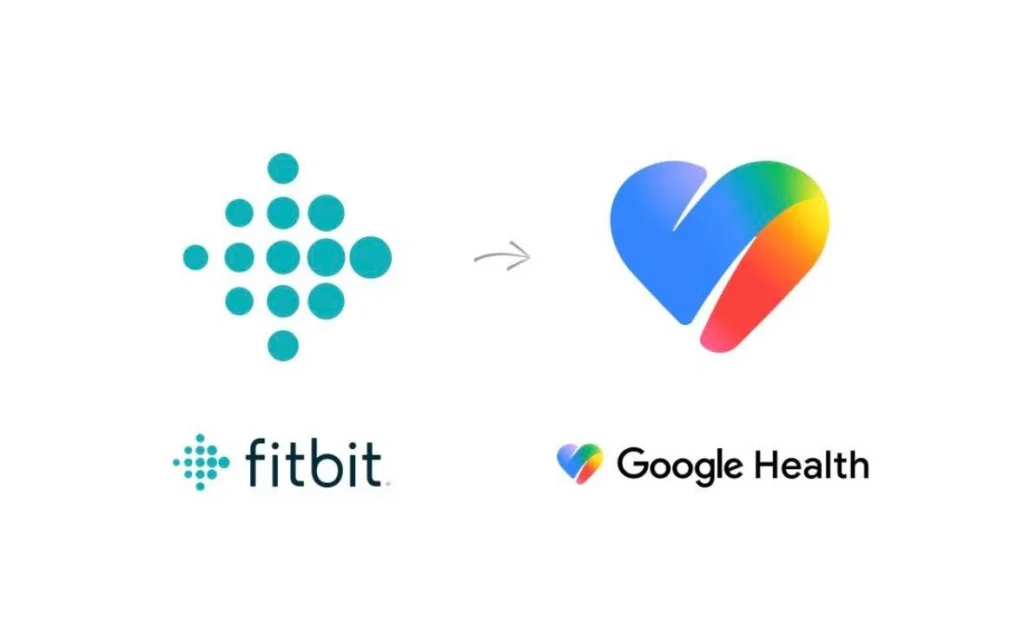
- Google has rebranded the Fitbit app as Google Health and launched Google Health Coach powered by Gemini AI, with full rollout beginning May 19, 2026.
- Fitbit Air, a screenless wearable priced at approximately $99, launches the same day, competing directly with WHOOP and the Oura Ring in the minimalist health wearables segment.
- The rebranding consolidates fitness, sleep, wellness, and medical records integration into a single AI-driven platform, marking Google's transition from fitness tracker brand to comprehensive health ecosystem.
- Industry observers view this as a landmark shift where tech giants compete for control of the complete health data interpretation ecosystem, not just hardware sales.
- The professional fitness sector will need to adapt by embracing data-driven personalization and integrating wearable intelligence into client engagement strategies.
Google has announced a major strategic transformation of its Fitbit division, rebranding the Fitbit app as Google Health and launching Google Health Coach powered by Gemini AI, with a full rollout beginning May 19, 2026. The move marks Google’s transition from a fitness tracker brand to a comprehensive connected health ecosystem, consolidating fitness, sleep, wellness, and medical data into a single AI-driven platform.
Google Health Coach Unveiled: A Landmark Shift from Fitness Tracker to Comprehensive Health Ecosystem
Google officially announced on Monday a sweeping transformation of its Fitbit division, rebranding the Fitbit application as Google Health and unveiling Google Health Coach, a new AI-powered health assistant powered by Gemini AI. The full rollout is scheduled to begin May 19, 2026, signaling one of the most significant strategic pivots in the consumer health technology industry this decade.
The announcement consolidates fitness tracking, sleep monitoring, wellness insights, and medical data integration under a single, unified platform — effectively repositioning Google’s wearable business from a sports bracelet brand to a strategic connected health ecosystem. Google Health will serve as the central hub where biometrics, artificial intelligence, and personalized recommendations converge, directly challenging Apple and Samsung for dominance in the health data interpretation market.
Fitbit Air: The Screenless Wearable Launching at $99
Alongside the platform rebranding, Google introduced Fitbit Air, a new wearable device priced at approximately $99 USD/Euros, also launching May 19, 2026. The device adopts a distinctive “screenless” design philosophy — eliminating a display to minimize distractions and keep users focused on their health goals rather than notifications. Fitbit Air competes directly with WHOOP bands and the Oura Ring in the minimal, health-focused wearables segment.
Despite its minimalist appearance, Fitbit Air is packed with advanced biometric tracking capabilities:
| Feature | Capability |
|---|---|
| Heart Rate | Continuous monitoring |
| HRV (Heart Rate Variability) | Advanced tracking |
| Sleep Patterns | Comprehensive analysis |
| Stress Levels | Real-time assessment |
| Blood Oxygenation (SpO2) | Continuous measurement |
| Cardiovascular Load | Daily cardiac strain index |
The screenless design reflects a broader consumer trend toward health-focused wearables that prioritize well-being over connectivity — a deliberate response to growing user fatigue with notification overload on traditional smartwatches.
From Step Counting to Predictive Health: The Market Transformation
The Fitbit-to-Google Health rebranding arrives at a pivotal moment in the connected devices market. Industry observers note that the wearables sector has undergone a fundamental evolution over the past several years, shifting from simple step counting to complex digital health platforms built on prevention, data collection, and hyper-personalization.
Google’s move mirrors a wider industry pattern in which tech giants are no longer competing solely for hardware sales, but rather for control of the complete health data interpretation ecosystem. Apple’s watchOS health features, Samsung’s Galaxy Watch health suite, and now Google’s unified Google Health platform represent three distinct visions for how biometric data can be transformed into actionable health intelligence.
Google Health Coach: Gemini AI at the Core of Personalization
The centerpiece of the rebranding is Google Health Coach, an AI assistant that transforms raw biometric data into personalized, actionable health recommendations. Powered by Google’s Gemini AI, the coach delivers guidance across four core domains: rest and recovery, physical activity, nutrition habits, and daily wellness practices.
A key differentiator is the integration with medical records and medication history — capabilities that Google announced in March 2026 and are now fully operational within the Google Health ecosystem. This allows the AI to deliver recommendations informed by a user’s complete health profile, not just wearable data alone.
The strategic vision is clear: Google no longer views Fitbit as merely a sports bracelet brand. Instead, it has been elevated to a strategic connected health platform — one that combines biometrics, artificial intelligence, and personalized recommendations into a cohesive user experience designed to support long-term health outcomes.
Market Implications: How the Fitness Industry Must Adapt
The Google Health transformation carries significant implications for the professional fitness sector. Gyms, personal trainers, and fitness operators will need to fundamentally reassess their value propositions in a landscape where consumers have access to increasingly sophisticated at-home health intelligence.
Several macro trends underpin this shift:
- Longevity focus: Growing consumer interest in healthspan and lifespan optimization is driving demand for continuous biometric monitoring.
- Metabolic health awareness: Emphasis on metabolic markers (blood oxygenation, HRV, stress response) is reshaping how consumers evaluate fitness outcomes.
- Preventive health paradigm: A structural shift from reactive treatment to proactive health management is fueling adoption of AI-driven wellness tools.
- GLP-1 medication integration: The rise of weight management medications is increasing demand for continuous monitoring compatible with pharmaceutical treatments.
- Screenless device preference: Consumer preference for distraction-free health wearables is accelerating design innovation across the category.
Industry analysts suggest that the ability to interpret and transform biometric data into useful, personalized recommendations will become one of the defining competitive factors in connected fitness over the next five years.
“This evolution points toward a scenario where biometric data, personalization, and technological integration will have increasingly more weight within the user experience,” the article noted. “The fitness industry must embrace data-driven personalization and integrate wearable information into client engagement strategies to remain relevant.”
Competitive Landscape Intensifies
The timing of Google’s announcement coincides with intensifying competition in the AI-powered health wearables space. WHOOP recently expanded its health platform with on-demand clinical access and new AI functions, while Samsung and Apple continue to invest heavily in the health capabilities of their respective wearable ecosystems.
The convergence of biometric hardware, AI-powered analytics, and personalized coaching represents the next frontier in consumer health technology — and Google is positioning Google Health as the definitive platform for this integrated vision.
A Strategic Milestone for Google Health
The rebranding of Fitbit to Google Health, combined with the launch of Google Health Coach and Fitbit Air, marks Google’s most ambitious move in the consumer health technology space to date. By unifying its health data capabilities under a single platform powered by Gemini AI, Google is signaling its intent to compete not just as a wearable maker, but as the central intelligence layer in its users’ health journeys.
The May 19, 2026 launch date will serve as a critical test of whether Google’s integrated vision can resonate with consumers who increasingly expect their health technology to be proactive, personalized, and seamlessly connected across every dimension of well-being.
About Google Health
Google Health is the unified health and wellness platform developed by Google, consolidating fitness tracking, sleep analysis, stress monitoring, and medical data integration into a single AI-driven ecosystem. Powered by Gemini AI, Google Health provides personalized health recommendations and supports users across rest, physical activity, recovery, and daily wellness. For more information, visit health.google.
About Fitbit
Fitbit, a subsidiary of Google since 2021, designs and manufactures health-focused wearable devices and software. Fitbit products track activity, exercise, sleep, weight, and key health metrics for millions of users worldwide. The Fitbit Air is the latest addition to the Fitbit wearable portfolio.




You must be logged in to post a comment.