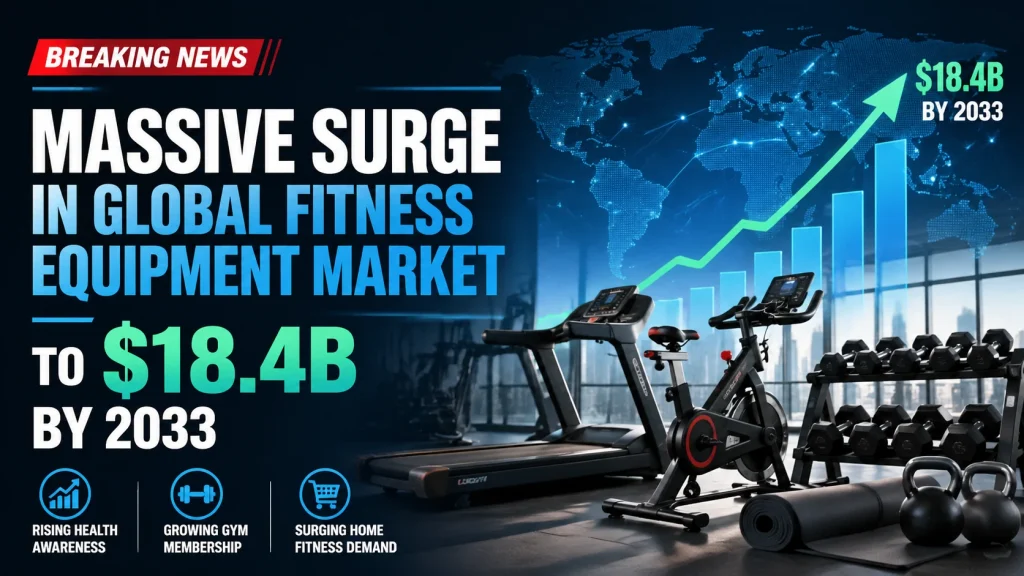
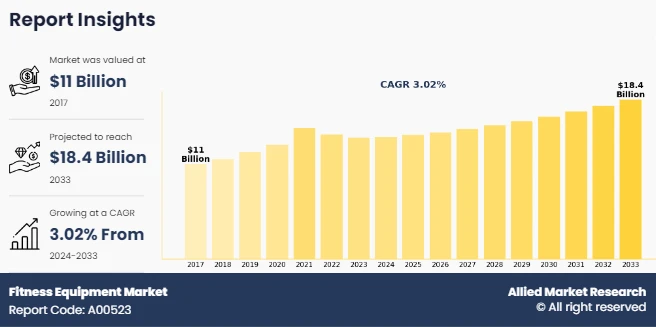
April 25, 2026— The global fitness equipment market, valued at $14.063 billion in 2023, is on a steady growth trajectory that industry analysts say will push market value to $18.387 billion by 2033, according to a comprehensive market report published by Allied Market Research. The report — titled _Fitness Equipment Market: Global Opportunity Analysis and Industry Forecast, 2024–2033_ (Report Code: A00523) — identifies a compound annual growth rate (CAGR) of 3.02% as the defining metric for the decade ahead.
The growth story is being written across multiple dimensions simultaneously: technology is transforming dumb iron into intelligent ecosystems, consumer behavior is permanently favoring flexible home-based fitness, and corporate wellness programs are creating new demand pipelines in commercial settings worldwide.
Cardiovascular Equipment Leads; Home Users Drive the Volume
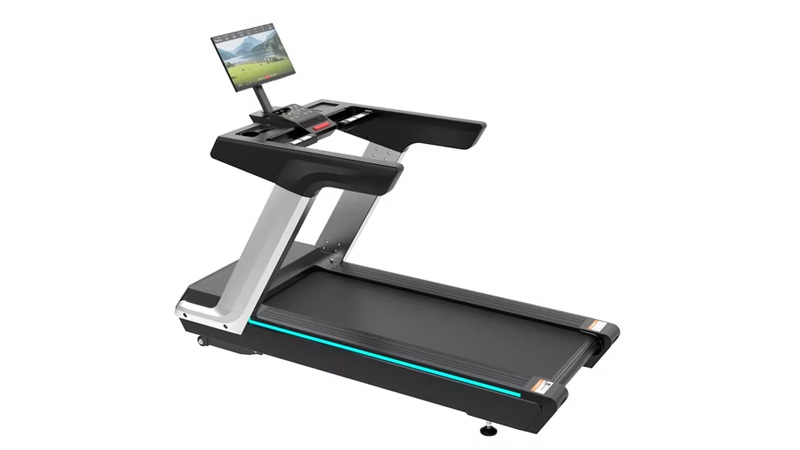
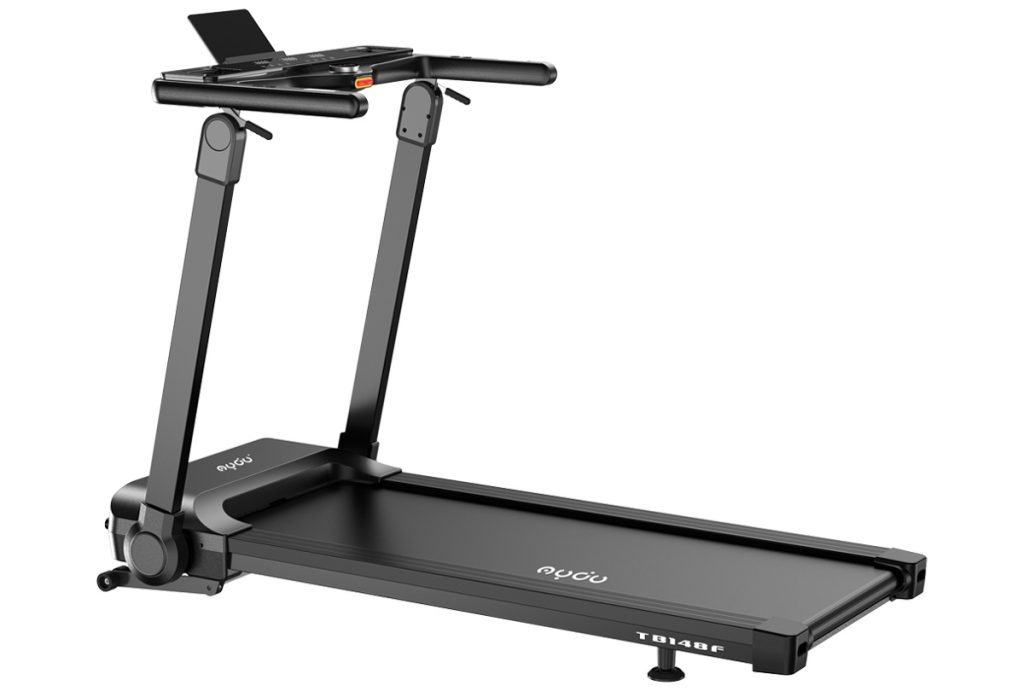
Cardiovascular training equipment — encompassing treadmills, elliptical machines, stationary bikes, and rowing machines — commands the largest share of the market, accounting for more than 60% of total market volume. This dominance reflects the broad, universal appeal of cardio training across demographics and fitness levels, as well as the category’s early integration with digital platforms.
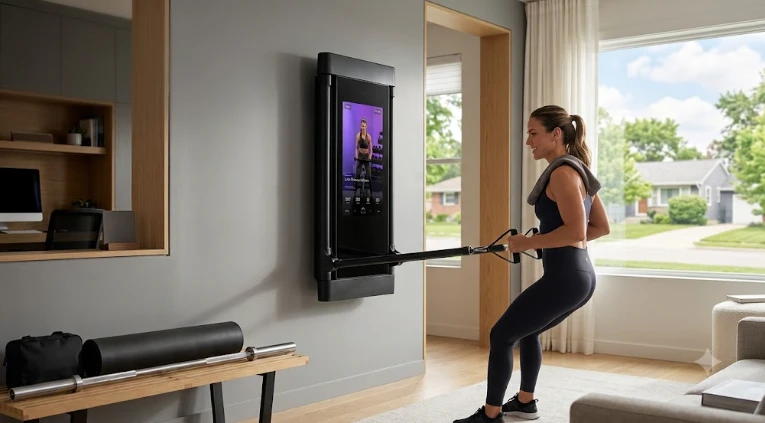
Equally significant is the structural shift in end-user composition. Home users now represent more than 80% of the market’s total end-user base, a seismic reconfiguration that took hold during the COVID-19 pandemic and has yet to reverse. The normalization of hybrid fitness routines — combining occasional gym visits with regular home training — has solidified the home segment as the industry’s primary growth engine.
Within commercial settings, health clubs and gyms remain the largest institutional segment, while the corporate wellness category is expanding rapidly, particularly in North America where large employers have widely adopted structured employee health programs.
IoT Integration and the Rise of the Fitness Ecosystem
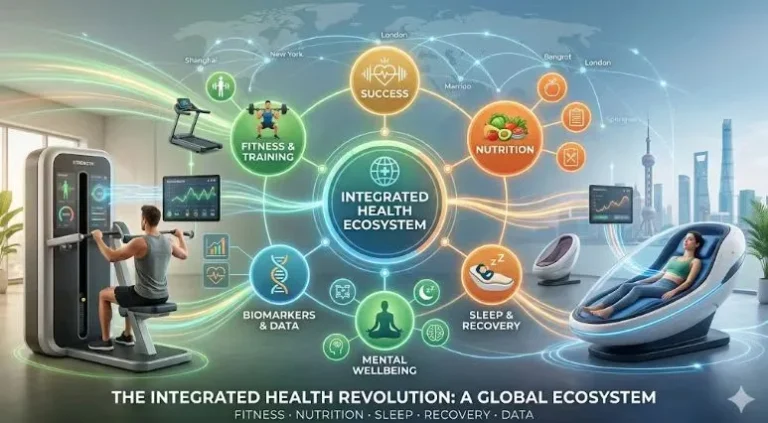
The most transformative force reshaping the industry is the convergence of hardware with intelligent software platforms. Leading manufacturers — including ICON Health & Fitness (owner of NordicTrack, ProForm, and the iFIT content platform), Technogym (Italy), and Johnson Health Tech (Matrix Fitness, Horizon, Vision) — are repositioning their equipment from standalone fitness tools into nodes within broader wellness ecosystems.
Modern connected fitness equipment integrates real-time performance tracking, live and on-demand coaching content, social competition features, and comprehensive health data dashboards. This shift from “dumb hardware” to “smart, data-generating systems” is expanding the addressable market beyond traditional fitness enthusiasts to include health-conscious consumers, corporate wellness programs, and even clinical rehabilitation settings.
North America Holds the Reins; Asia-Pacific Steals the Spotlight
Regionally, North America commands the largest market share, estimated at approximately 40% of the global total. The region’s mature fitness culture, high gym penetration rates, and the widespread adoption of corporate wellness programs provide a robust demand base. The United States, with over 70 million obese adults and a health-conscious consumer base, remains the world’s single largest fitness equipment market.
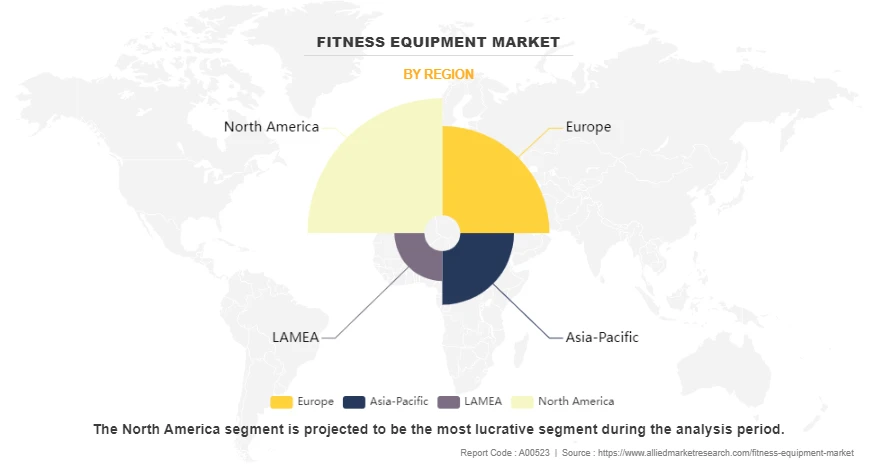
However, the Asia-Pacific region is the fastest-growing market globally. Rising urbanization, expanding middle-class disposable incomes, and increasing participation in structured fitness activities are the primary growth drivers. India leads the region with an estimated CAGR of 8.8%, significantly outpacing the global average. China occupies a unique dual position as both the world’s largest manufacturing hub for fitness equipment and a rapidly maturing consumer market.
Europe holds the position of the second-largest regional market, with strong demand for premium and design-forward equipment. The Scandinavian countries, in particular, have seen government-backed public health initiatives drive significant investment in fitness infrastructure.
Health Imperatives Fuel Long-Term Structural Demand
Beneath the market dynamics of product innovation and consumer trends lies a deeper, demographic driver: the global health crisis. The World Health Organization’s warnings on obesity are playing out in market data. In the United States alone, over 70 million adults are classified as obese, while obesity rates among youth aged 6–19 stand at 22.2% — a figure that guarantees future demand for fitness solutions across age groups.
Simultaneously, the concept of “active aging” is creating new demand for fitness equipment tailored to older demographics. As populations in developed markets age, the fitness industry is adapting its product lines and programming to serve the health preservation and mobility needs of seniors, opening a significant long-term market segment.
“The fitness equipment industry is no longer in the business of selling treadmills — it is in the business of building the infrastructure for human performance optimization,” said Vidit Gite, lead analyst at Allied Market Research. “The convergence of IoT hardware, AI-driven coaching, and subscription-based content is creating a recurring-revenue ecosystem that fundamentally changes the industry’s economics.”
“What we are seeing in the data reflects a permanent behavioral shift,” added Eswara Prasad, co-author of the report. “Consumers who invested in home fitness during the pandemic did not revert entirely to gyms afterward. The hybrid model is now the dominant paradigm, which means the home equipment market has structurally expanded — not contracted.”
Competitive Landscape: A Battle Between Giants
The competitive structure of the global fitness equipment market is defined by several major players, each commanding distinct market positions:
- ICON Health & Fitness (NordicTrack, ProForm, iFIT) — leads in connected home fitness with its vertically integrated hardware-plus-content model
- Technogym S.p.A. (Italy) — dominant in premium commercial and luxury residential markets, powered by its Wellness Cloud platform
- Life Fitness(KPS Capital Partners) — the leading brand in commercial gym equipment globally
- Johnson Health Tech (Matrix Fitness, Horizon Fitness, Vision Fitness) — a strong mid-to-premium player across both commercial and home segments
- Nautilus, Inc. (Bowflex, Schwinn) — a major contender in the home fitness segment, particularly at the accessible price point
- Peloton Interactive — the high-end connected fitness platform that redefined expectations for live and on-demand content integration
- Brunswick Corporation — a significant player in the commercial fitness equipment space
About Allied Market Research
Allied Market Research (AMR) is a a full-service market research and business consulting division of Allied Analytics LLP, headquartered in Portland, Oregon. AMR offers syndicated research reports, customized research reports, and consulting services that provide strategic guidance to clients across industries including healthcare, technology, chemicals, materials, food & beverage, and energy & power. AMR’s research reports draw from proprietary databases and industry-specific intelligence to deliver actionable insights that support informed business decisions.
For the full report, visit: https://www.alliedmarketresearch.com/fitness-equipment-market
Declare: This article is based on data from Allied Market Research’s “Fitness Equipment Market: Global Opportunity Analysis and Industry Forecast, 2024–2033” report. All quotes from AMR analysts are attributed to the published research. Competitive intelligence on manufacturers is synthesized from publicly available brand and company information.
The Fitness Equipment Market was valued at $14,062.79 million in 2023 and is estimated to reach $18,386.84 million by 2033, exhibiting a CAGR of 3.02% from 2024 to 2033.
The forecast period in the market report would be 2024-2033.
The market value of Fitness equipment market in 2021 is $14,062.79 million.
The year 2023 is base year calculated in the Fitness equipment market report.
Increase in Sports Participation and Concerns about Childhood Obesity are the key trends in the Fitness equipment market.
Some of the key players in the fitness equipment market analysis includes ICON Health & Fitness, Inc., Brunswick Corporation, Johnson Health Tech Co., Ltd., Technogym S.p.A, Amer Sports Corporation, Nautilus, Inc., Core Health and Fitness, LLC, TRUE Fitness Technology, Inc., Impulse (Qingdao) Health Tech Co., Ltd., and Torque Fitness, LLC.
North America will dominate the market by the end of 2033.