
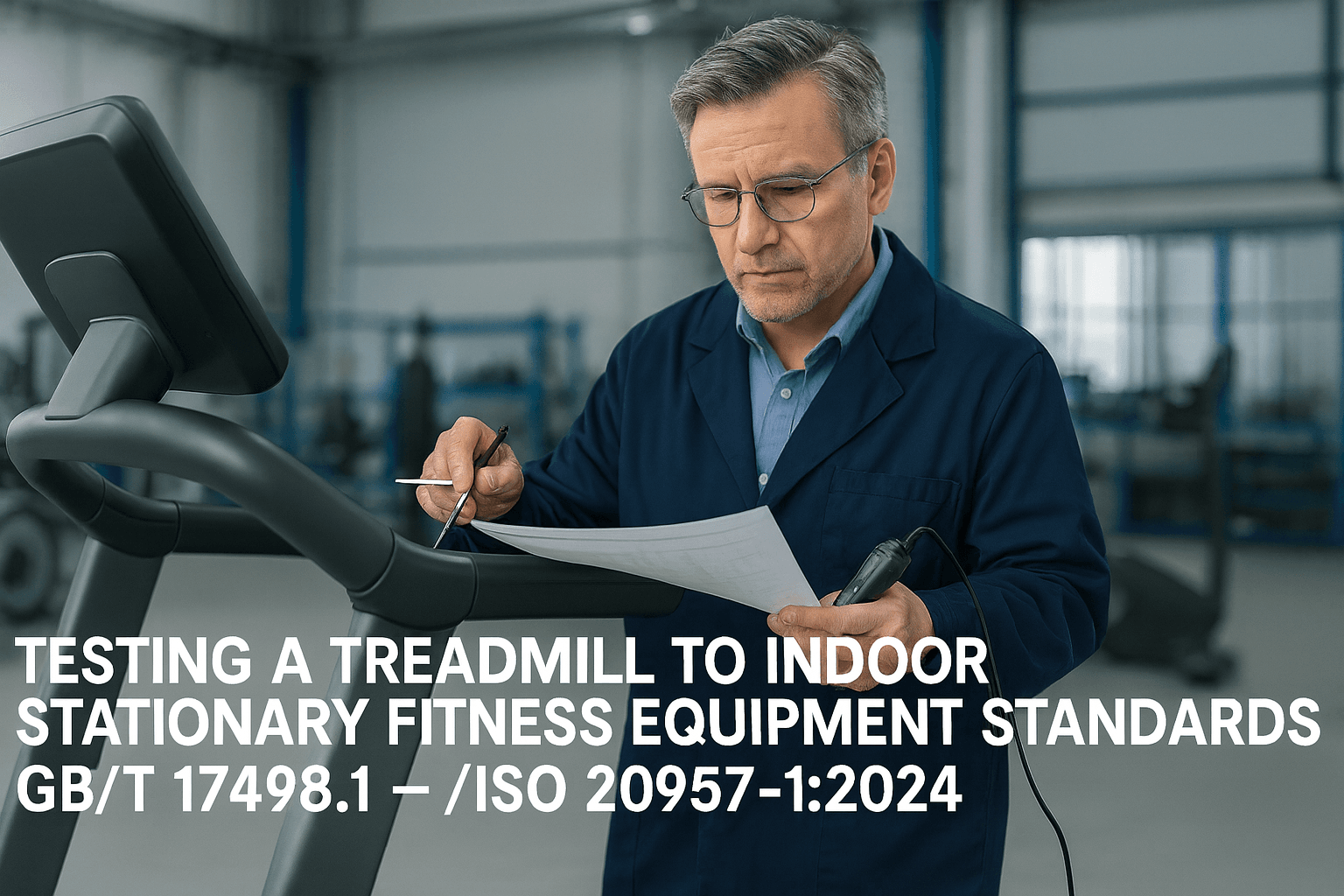
China’s fitness equipment industry is taking another significant step forward in product quality and global alignment. National sporting goods enterprises, together with industry associations and technical committees, are currently reviewing and refining the latest draft of the indoor stationary training equipment safety standard: GB/T 17498.1— /ISO 20957-1:2024. This standard, which is equivalent to ISO 20957-1:2024, sets out general safety requirements and test methods for stationary training equipment.
At present, the draft is in the stage of public consultation, inviting feedback from manufacturers, testing institutions, quality control experts, and fitness industry stakeholders. The final version will guide not only domestic product design and manufacturing but also support international trade compliance, ensuring Chinese-made fitness equipment meets European and global safety expectations.
1. Why This Standard Matters for the Fitness Equipment Industry?
China has become one of the largest producers and exporters of commercial and home-use fitness equipment. With increasing exports to Europe, North America, and Asia-Pacific markets, safety compliance is no longer optional but essential.
The updated GB/T 17498.1 reflects:
• Alignment with ISO 20957-1:2024 for global compatibility.
• Integration of new safety requirements addressing stability, durability, load testing, and electronic safety.
• Emphasis on inclusive fitness equipment design for professional (S), home (H), and special user groups (I).
For companies seeking CE marking, global certifications, or international partnerships, understanding and applying these requirements will be critical for market entry and competitive advantage.
2. Overview of the Draft Standard Structure
The draft GB/T 17498.1— /ISO 20957-1:2024 is structured into several key chapters:
- Scope – defines the applicability of stationary training equipment and exclusions (e.g., outdoor equipment, children under 14).
- Normative References – cites related standards such as IEC, ISO, and GB requirements for electrical and mechanical safety.
- Terms and Definitions – clarifies essential concepts including stationary training equipment, training area, free area, maximum training load, heart rate control mode, squeeze points, shear points, and protective covers.
- Classification – details accuracy levels (A, B, C) and usage categories (S, H, I).
- Safety Requirements – establishes the technical safety benchmarks for design and manufacturing.
- Test Methods – prescribes procedures for verifying compliance.
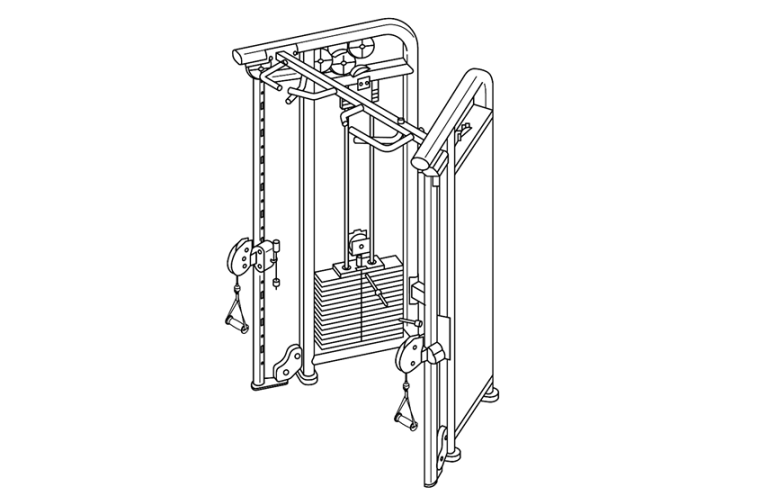
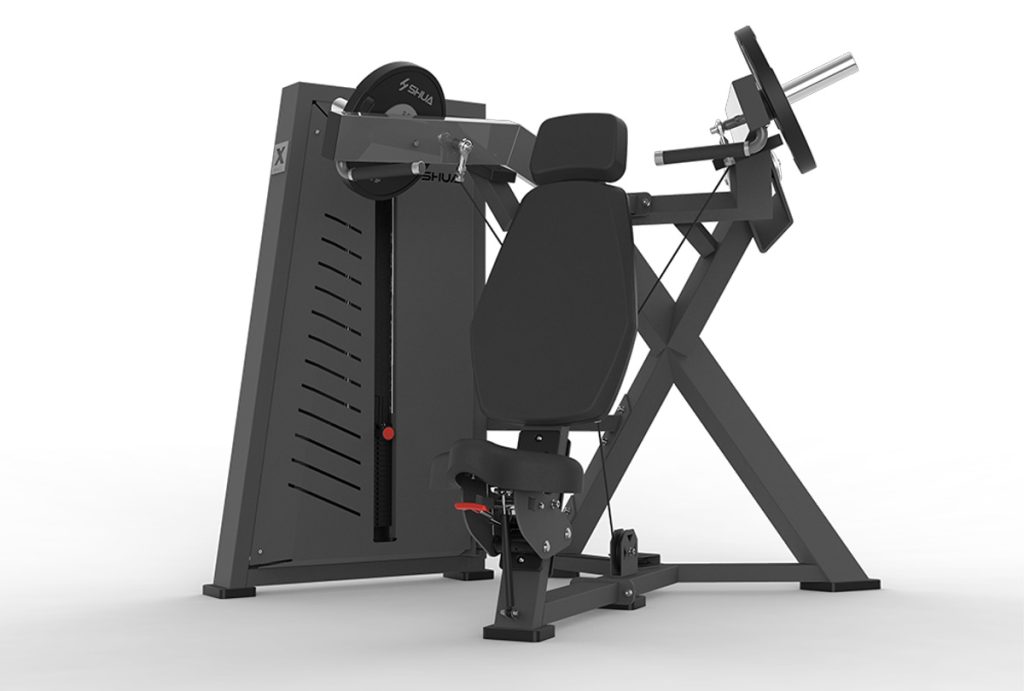
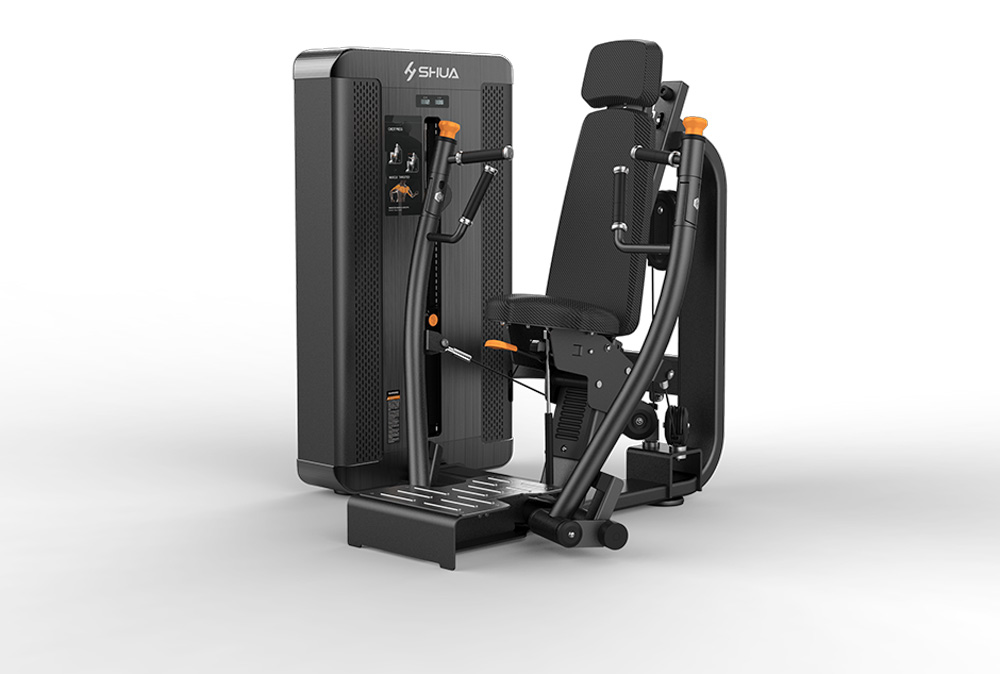
- Annex A – provides illustrative load test examples for typical equipment such as exercise bikes, leg press machines, and adjustable benches.
3. Spotlight on Section 4: Classification
Section 4 introduces a dual classification system:
• Accuracy Levels (for equipment with data display functions):
o A-Level (High Accuracy)
o B-Level (Medium Accuracy)
o C-Level (Low Accuracy)
• Usage Categories:
o S (Studio/Professional Use): for gyms, schools, hotels, rehabilitation centers.
o H (Home Use): for private domestic environments.
o I (Inclusive Use): for professional and commercial use, while also meeting the needs of users with special conditions (visual, auditory, physical, or cognitive).
This classification helps manufacturers target their products to specific environments, ensuring that both consumer-grade and professional-grade fitness equipment meet the right compliance standards.
4. Spotlight on Section 5: Safety Requirements
Section 5 is the core of the standard, setting out the safety obligations for equipment design and production. Key highlights include:
• Stability: Equipment must remain stable in use, folding, and storage states (tested on 10°–11° inclined planes).
• External Structure:
o No burrs or sharp edges; edges must have ≥2.5 mm radius.
o Pipe ends must be sealed and secure.
• Shear and Squeeze Points: Dangerous points must be eliminated or protected with guards and safe clearance distances.
• Weight Stacks & Resistance Devices: Movement must be controlled within safe ranges, returning freely to start positions.
• Adjustment & Locking Mechanisms: Must prevent unintended movement and be easy to recognize and use.
• Cables, Belts, Chains: Must withstand six times the maximum operational load without failure.
• Durability:
o H-class equipment must endure 12,000 cycles.
o S-class equipment must endure 100,000 cycles.
• Display Load Accuracy: Load deviation must be within ±10%.
• Heart Rate Systems: Must display signals clearly; if signal is lost, resistance must drop safely within 60 seconds.
• Electrical Safety: Must comply with IEC 60335-1 and IEC 60601-1 for relevant devices.
• Load Testing: Defined by a calculation formula including body mass, dynamic coefficients, and safety factors.
• Instructions & Maintenance: Manufacturers must provide clear assembly manuals, maintenance advice, and permanent markings.
These requirements cover everything from mechanical safety to electronic systems, ensuring end-user safety, product durability, and regulatory compliance.
5. Industry Implications and Next Steps
The draft GB/T 17498.1 is not just a technical compliance document; it represents a shift toward a globally aligned safety culture in China’s fitness equipment industry.
• Manufacturers should start evaluating their current products against these requirements to prepare for the final standard.
• Exporters must align documentation, labeling, and CE-compliance strategies with the updated safety clauses.
• Distributors and Gym Owners will benefit from safer, more reliable equipment with clearer usage classifications.
• Industry Associations are encouraging stakeholders to provide feedback during the consultation period, ensuring the final version reflects both international standards and domestic realities.
Conclusion
The release of the draft GB/T 17498.1— /ISO 20957-1:2024 marks an important milestone for China’s fitness equipment industry. By enhancing safety, durability, and global compatibility, this standard will strengthen the international competitiveness of Chinese-made equipment while safeguarding users in both home and professional environments.
As the draft remains open for feedback, now is the time for manufacturers, testing labs, and industry experts to contribute insights and help shape a standard that will define the future of safe fitness equipment worldwide.


0 Comments
No comments yet. Be the first to share your thoughts!
Leave a Comment