A Sudden Pullback: The Closure of Nike Strength Studios
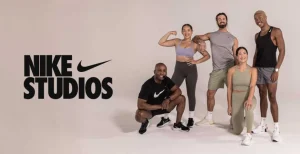
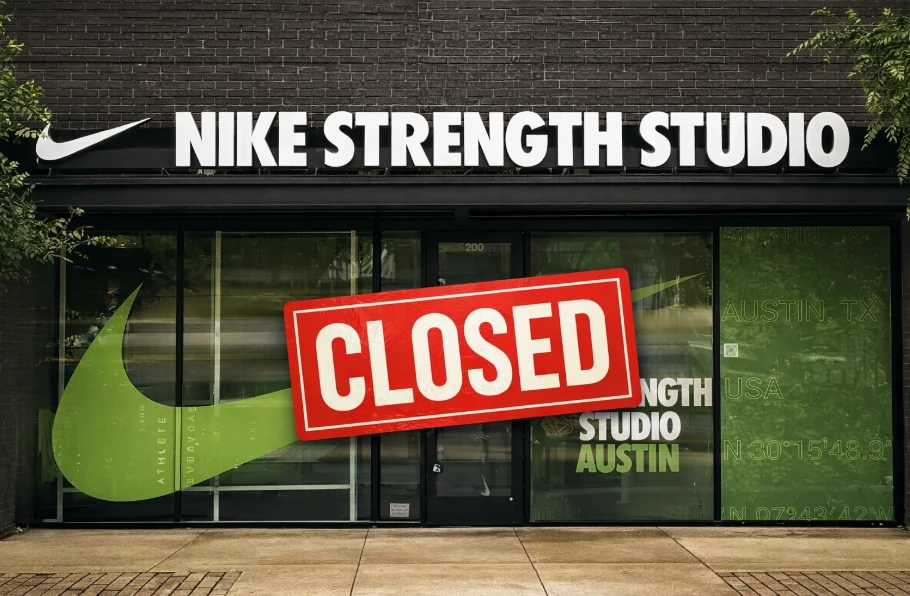
After two years of exploration, global sportswear giant Nike has shut down its Nike Strength Studios operations across the United States. Around March 27, multiple locations in California and Texas—including West Hollywood, Irvine, and Austin—ceased operations. The decision came rather abruptly and quickly drew attention across the industry.
Nike Strength Studios was launched in 2023 in partnership with FitLab, positioned as a boutique fitness concept offering HIIT, running, and strength training classes. At the time of its launch, the project was widely seen as an important step for Nike to move into physical training environments—an extension from products into services.
However, within just two years, the project has been put on hold, raising important questions for the industry.
From Products to Services: A Challenging Transition
Nike’s core strength has always been in products. Whether in footwear, apparel, or branding, the company has built a powerful global presence. But when the business shifts from “selling products” to “delivering services,” the logic fundamentally changes.
A fitness facility is not a one-time transaction—it is a business built on continuous experience and long-term user relationships. While consumers may initially visit because of the brand, retention depends on class quality, coaching standards, operational consistency, and community engagement.
This means that Nike’s strengths in brand influence and marketing do not automatically translate into service capabilities.
Nike Strength Studios was, in essence, an attempt to bridge this gap—from manufacturing products to operating physical spaces, from brand-driven engagement to experience-driven value. This transition has proven to be more complex than expected.
The Reality of Boutique Fitness: Pressure Behind the Growth
In the years following the pandemic, the global fitness industry entered a period of rapid expansion. Boutique studios, 24/7 budget gyms, and various new training concepts grew quickly, driven by capital and new market entrants. The sector appeared vibrant and full of opportunity.
However, the boutique fitness model comes with inherent structural challenges. High rent, high labor costs, and continuous customer acquisition expenses require studios to maintain premium pricing and stable membership retention. Once user growth slows or consumer demand weakens, margins can quickly shrink.
For a company like Nike—whose core business is not fitness service operations—this model is not only unfamiliar but also carries higher operational risks. Brand power can attract attention, but it cannot reduce costs or replace operational excellence.
The Limits of Brand Power: Attraction vs. Retention
One of the most important takeaways from Nike Strength Studios is the limitation of brand influence.
In consumer goods, a strong brand often represents trust and quality, helping drive purchase decisions. But in service industries—especially fitness—users evaluate value much more directly: the experience must be professional, consistent, and meaningful.
In other words, brand power can solve the problem of “first visit,” but it cannot guarantee “long-term retention.”
This is why some smaller boutique studios, despite limited brand recognition, are able to build loyal communities through refined operations and strong local engagement. For large global brands, balancing scalability with personalized experience becomes a significant challenge.
A Strategic Adjustment, Not the End: What Comes Next for Nike?
It is important to note that the closure does not mean these physical locations will disappear entirely. According to FitLab, most of the sites will transition into other brands within its portfolio, such as Y7, Racked, and Mile High Run Club.
This suggests that the issue may not lie in the market demand itself, but rather in the alignment between brand positioning and operational execution.
At the same time, Nike continues to invest in other areas of the fitness ecosystem. Its efforts in training equipment (such as Nike Strength) and digital platforms remain active. This indicates that Nike has not abandoned the fitness sector, but may be reassessing its approach.
Industry Reflection: From Expansion to Rationalization
From a broader perspective, the closure of Nike Strength Studios may signal a turning point as the industry moves from an expansion phase toward a more rational stage.
Over the past few years, capital has fueled rapid growth in the fitness sector, amplifying market expectations. However, as the market matures, the fundamentals once again take center stage—operational efficiency, user experience, and long-term value.
For traditional product brands, this case serves as a clear reminder: entering the fitness service sector cannot rely solely on a traditional brand strength. It requires building an entirely new operational service system.
For industry participants, it is also a signal that beyond the hype, the companies that endure are those with the strongest execution capabilities.