
1. Saudi Arabia Fitness Market: Early Stage, Fast Growth
Saudi Arabia’s fitness industry is at an early but highly dynamic stage. With a population of ~35 million and 70% under 35 years old, the Kingdom has one of the youngest demographics in the Middle East. Fitness penetration is still low—only 5–7% of Saudis have gym memberships, and active user levels are estimated below 3%. This untapped base, combined with strong demand, makes Saudi Arabia one of the fastest-growing fitness markets worldwide. From 2020–2023, gym membership penetration rose at a CAGR of 16.8%, the highest globally.
Vision 2030 Policy Support for Fitness Industry
Saudi Arabia’s Vision 2030 and Quality of Life program target an increase in regular exercisers from 13% to 40% by 2030. Heavy investment in sports infrastructure and private-sector participation fueled the sports industry to USD 7.1 billion in 2023, up from USD 6.3 billion in 2022.
Fitness Equipment Demand and Gym Chain Expansion
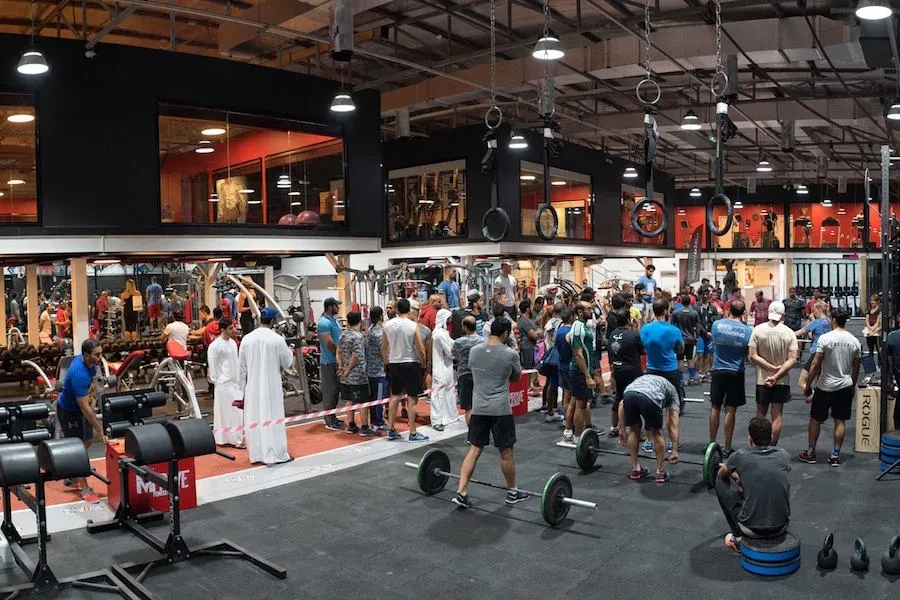
Commercial gyms are rapidly expanding. Leejam Sports (Fitness Time) has a market cap of USD 4 billion and adds 30+ clubs annually. UAE-based GymNation opened six gyms in Saudi Arabia in 2024, signing up 20,000 members, of which 44% had never owned a gym membership before. This indicates rising fitness equipment demand and new market entry opportunities.
Female Participation Driving Market Growth
Since reforms in 2017, women’s fitness participation has surged. Women-only gyms like NuYu and Studio 55 are expanding, while mixed gyms see female membership growth outpacing men. GymNation reported female sign-ups exceeding male sign-ups in Saudi branches, highlighting the strength of this previously underserved segment.
Fitness Consumer Trends in Saudi Arabia
- Goal-Oriented Training: Weight loss, bodybuilding, and personal training are major drivers.
- Luxury vs. Budget: High-end clubs with spa-like services coexist with low-cost gyms.
- Hybrid Fitness Lifestyle: Consumers combine gyms with home fitness equipment and apps, a trend reinforced by COVID-19.
- Gender-Specific Spaces: Women-only areas remain a critical market feature.
Saudi Arabia Market Size Forecast
The Saudi Arabia fitness industry is projected to reach USD 1.5 billion in 2025 and USD 2.7 billion by 2030, reflecting a CAGR of 11–12%.
2. GCC Fitness Industry Overview
UAE: Mature Fitness Industry Leader
The UAE, especially Dubai, is the trendsetter in the Middle East fitness industry. The annual Dubai Fitness Challenge (30×30) promotes mass participation and normalizes fitness. The market features both premium health clubs and low-cost gyms. GymNation’s AED 99/month model has unlocked latent demand, with more than 50% of new members being first-time gym users.
Kuwait: Bodybuilding Culture and Chinese Brands Opportunity
Kuwait, with 4.5 million people, has one of the world’s highest obesity rates but also a strong bodybuilding culture. Oxygen Gym is internationally recognized, making Kuwait an attractive niche market for Chinese brands supplying strength training equipment.
Qatar: Premium Fitness Market Post-World Cup
Qatar continues to invest in sports infrastructure after the 2022 FIFA World Cup. With a population of 2.8 million and high purchasing power, demand is concentrated on premium gyms, luxury spa-fitness centers, and family sports clubs.
Bahrain & Oman: Emerging Fitness Markets
Though smaller in scale, both Bahrain and Oman are experiencing steady fitness industry growth, influenced by regional trends and outdoor sports participation.
3. Middle East and China Gym Equipment Trade
China as the Global Leader in Fitness Equipment Manufacturing
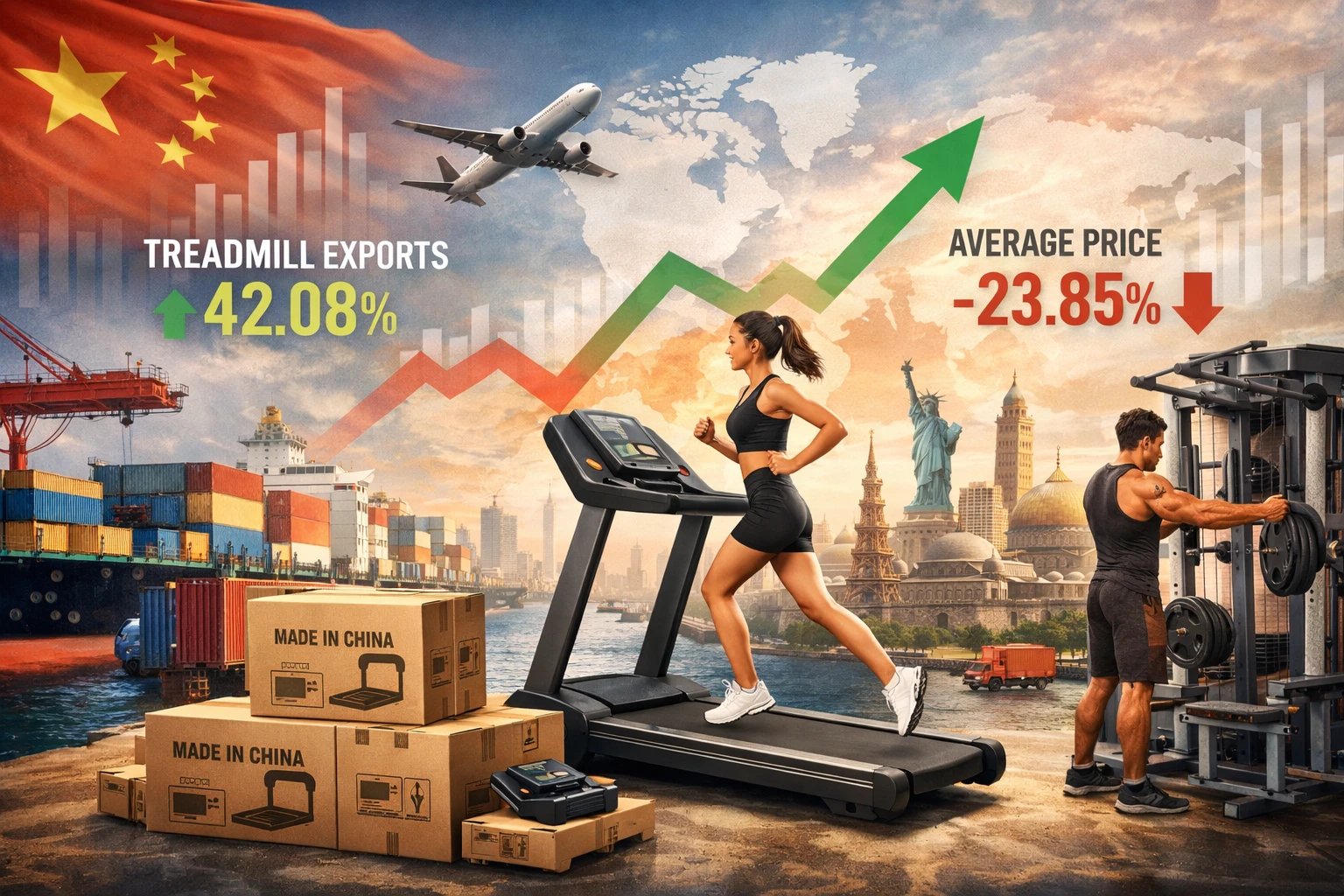
China remains the largest global exporter of fitness equipment. In 2024, China gym equipment exports hit USD 5.05 billion, up 22.1% year-on-year, representing nearly 40% of the global market. Chinese brands dominate categories like treadmills, exercise bikes, strength machines, yoga mats, and dumbbells.
Middle East as a Rising Destination for Chinese Brands
Saudi Arabia and the UAE each import around USD 400 million worth of sporting goods annually, with China as the primary supplier. Affordable China gym equipment is 30–50% cheaper than Western brands, driving the boom of budget gyms and home fitness adoption. During the pandemic, treadmill exports from China to Saudi Arabia rose by nearly 45%.
Transition from OEM to Chinese Brand Building
Chinese brands are now moving beyond OEM manufacturing to build direct market presence. Companies such as Shuhua Fitness and MBH Fitness exhibit at FIBO Arabia and partner with local distributors. This strategy strengthens brand recognition and long-term positioning in the Middle East fitness industry.
Trade Opportunities and Challenges
- Opportunities: Rising demand, better logistics via Belt and Road, and fewer tariffs compared to US/EU markets.
- Challenges: Compliance with Saudi SASO and Saber certification, Arabic labeling, and regional regulations.
Projections suggest that the Middle East’s share of China gym equipment exports could grow from ~10% today to 20%+ by 2030.
4. Conclusion: Middle East Fitness Industry and Chinese Brands Outlook
The Middle East fitness industry is entering a new growth phase, led by Saudi Arabia and supported by GCC markets such as the UAE, Kuwait, and Qatar. Government policies, youthful demographics, and increased female participation are reshaping the market.
For the supply side, China gym equipment manufacturers and Chinese brands are becoming indispensable players, offering affordable and innovative solutions. The synergy is clear: Middle Eastern gyms and consumers gain access to cost-effective fitness equipment, while Chinese brands secure a fast-expanding market.
With FIBO Arabia and similar platforms driving connections, the collaboration between the Middle East fitness industry and China gym equipment manufacturers is set to deepen, marking the region as one of the most promising frontiers for global fitness industry growth.






Comments (0)
No comments yet, be the first to comment!