
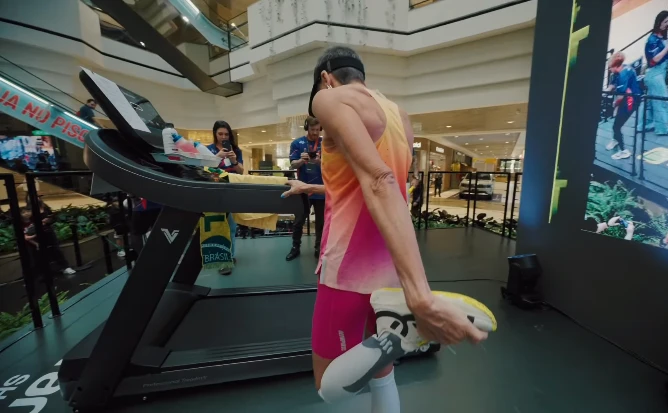
On August 9, 2026, 55-year-old Brazilian female ultrarunner Débora Simas pushed human endurance to new limits at a shopping mall in Florianópolis, Brazil. Over seven days (168 consecutive hours), she logged an astonishing 866.21 km (538.2 miles) on a treadmill made by one Chinese manufacturer.
Simas’s record-breaking data of 866.21 km has been submitted to Guinness World Records for official verification. While the record set by New Zealand’s Emma Timmis (846.16 km) remains on the official website for now, Simas is expected to claim the world title for the longest distance run on a treadmill by a female runner in seven days.
Competition of Human Endurance: Race Analysis & Breakdown
Under Guinness World Records rules, once the 7-day clock starts, it never stops. Athletes are free to step off the machine to sleep, eat, or use the restroom, but the mileage counter pauses until they step back onto the belt of treadmill.
Simas surpassed the previous record set in June 2024 by Emma Timmis (846.16 km) by an impressive 20.05 km. Even after accounting for all off-belt rest, meals, and sleep, Simas averaged 123.7 km per day, maintaining an average pace of 18:44 min/mile over 168 hours.
Daily Mileage & Pacing Strategy:
- Day 1: 143.51 km — Peak condition, laying a massive foundation.
- Day 2: 126.81 km
- Day 3: 111.10 km — Severe cramping and vision blackouts; team adjusted strategy.
- Day 4: 135.58 km — Restructured sleep from a 3-hour block into short micro-naps, sparking a recovery.
- Day 5: 102.32 km — Energy trough; focused on pacing survival.
- Day 6: 111.28 km
- Day 7: 135.61 km — Strong final push, marking her second-highest daily mileage.
Simas was supported around the clock by a 110-person crew including doctors, physiotherapists, coaches, and judges. To minimize off-belt time, her team pitched a tent directly behind the treadmill, and she consumed most of her meals while walking or running.
168-Hour Live Durability Test: The MYDO TA256 Treadmill
As an industry analyst, I closely follow fitness equipment featured on international stages—especially hardware engineered and manufactured in China. In 2021, the ESANG A400 (produced by Jiangxi Yiqi) made history as the first Chinese-made treadmill to feature at the Tokyo Olympics Opening Ceremony, gaining roughly 20 seconds of global broadcast exposure.
In Brazil, however, the treadmill which Simas run was not merely showcased for a few seconds. It underwent a live-streamed, 7-day torture test under continuous human load before a global audience.
Running uninterrupted for 168 hours places extreme demands on a treadmill’s motor heat dissipation, structural rigidity, belt wear resistance, and electronic system stability. Standard treadmills often trigger thermal shutdowns or component failures after dozens of hours of continuous operation.
The designated machine for this challenge was the TA256 Treadmill, developed and manufactured by Xiamen MYDO Sports Equipment Co., Ltd.
Lydia, International Business Director at MYDO Sports, confirmed that the machine was supplied to the organizers by MYDO’s local brand partner in Brazil.
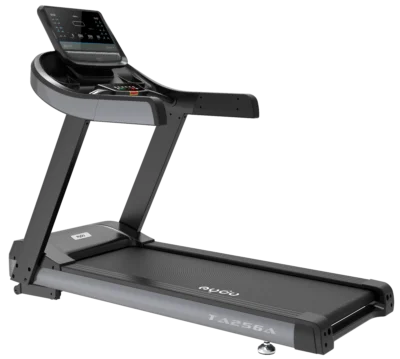
Key technical specifications include:
- Drive System: Powered by a 4.0 HP commercial motor capable of speeds up to 20 km/h, built with advanced thermal management for extended high-frequency impacts.
- International Certifications: Developed in 2025, the TA256 complies with strict European safety standards, including EN957, LVD (Low Voltage Directive), and EMC (Electromagnetic Compatibility).
- Console Systems: Supports optional LED or 15.6-inch TFT smart consoles, providing real-time data tracking for athletes and officials.
Flawless, zero-fault performance over seven days verified the reliability and engineering quality of the TA256 structure and system.
From Xiamen Manufacturing to Premium Global OEM/ODM Partner
MYDO’s growth reflects the ongoing transformation of China’s fitness equipment manufacturing sector. 17 years ago, MYDO began as a home-treadmill OEM manufacturer. Through steady technical accumulation and strict quality control, it has evolved into a premier treadmill manufacturer in China.
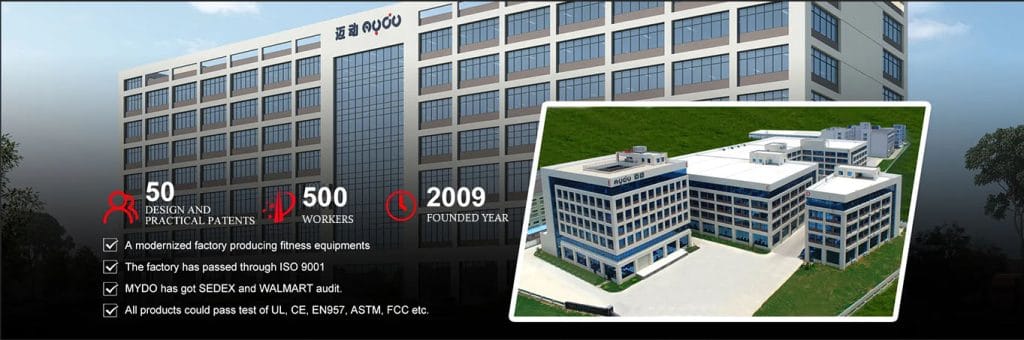
- Global Brand Recognition: Trusted by top-tier international fitness brands, MYDO serves as a designated OEM/ODM manufacturer. Its production facilities have passed factory audits by major retailers and brand owners, including Walmart, adidas, Costco, and Academy Sports + Outdoors.
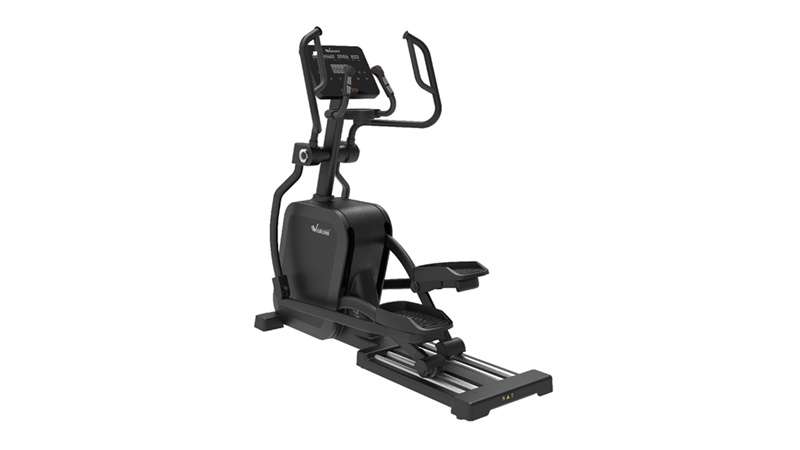
- Expanded Product Portfolio: Alongside its home-use and commercial treadmill lines, MYDO has recently expanded R&D into exercise bikes and ellipticals to build a comprehensive cardio training equipment line.
- Global Market Reach: Beyond its performance in Brazil, the model TA256 is distributed in markets including Spain, Australia, South Korea, Argentina, Russia, and South Africa. And Mydo Sports has closely worked with hundreds of premier fitness equipment and sporting equipment brands and buyers worldwide.
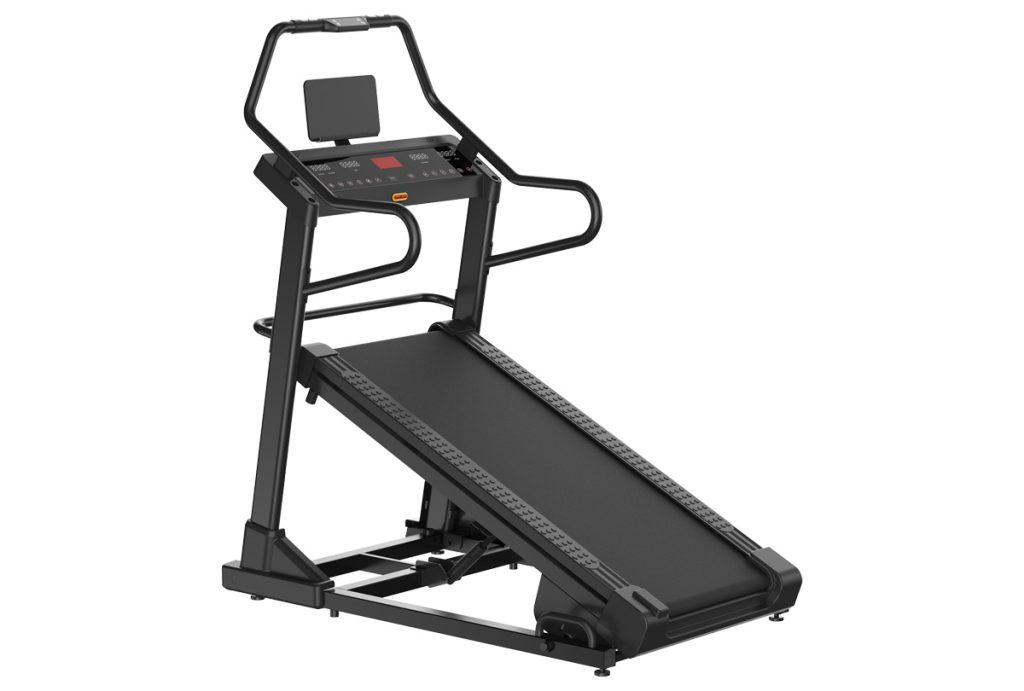
Will Chen, General Manager of Xiamen MYDO Sports, noted in a recent interview with Roger from FitGearSource that the fitness equipment sector faces intense competition nowadays. He emphasized that MYDO avoids race-to-the-bottom price wars, focusing instead on core technology, quality control, and serving mid-to-high-end global clients.
Equipment Standards in Modern Connected Sports Competition
The global rise of indoor fitness racing—such as HYROX, which partners with CENTR and Concept2—has raised the bar for competition equipment. Similarly, World Athletics selected Italy’s Technogym for its new “Run X” Treadmill World Championships.
This trend highlights two core dynamics in modern sports:
- Event Integrity: Organizers require precise telemetry, rugged durability, and athlete safety to guarantee fair competition.
- Brand Value: Manufacturers leverage elite competitive platforms to demonstrate product reliability to a global audience.
As I highlighted in my previous column, Discussion on treamill standardization of World Treadmill Championships, digital and connected sports are driving stricter standards for telemetry accuracy and structural durability. Equipment used in these formats faces far higher demand than machines used for general home or commercial fitness exercise.
The successful completion of the 7-day ultramarathon in Brazil provided a real-world test for MYDO’s TA256 treadmill. As digital and indoor sports and competition continue to merge, high-end equipment manufacturers from China are set to play a growing role on the international stage.