
Smart TFT Screens vs. Traditional Screens in Fitness Equipment: What’s the Difference?
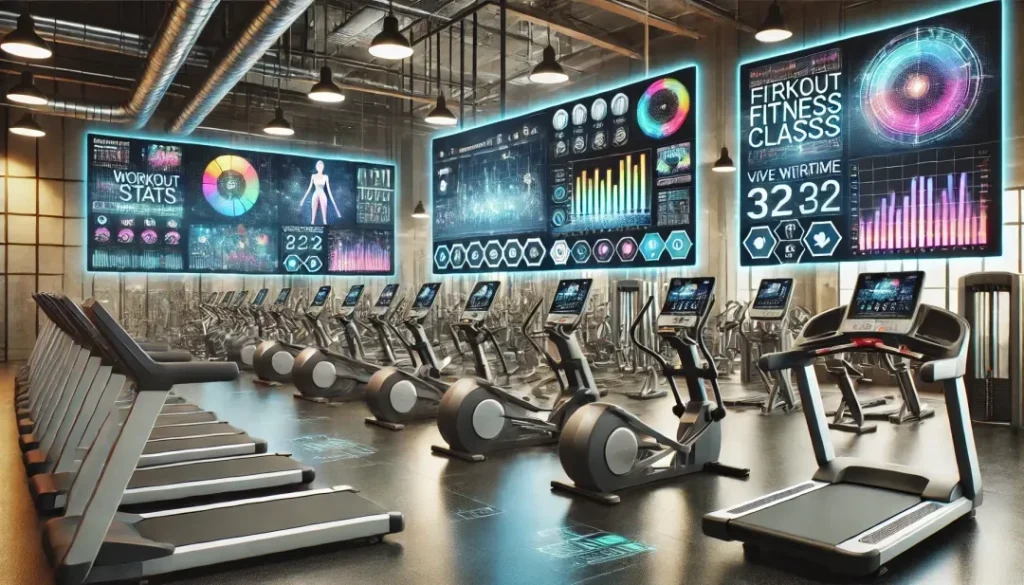
Fitness equipment displays have evolved significantly from basic traditional screens to sophisticated smart TFT screens. Understanding the difference between these two technologies can help users and industry professionals appreciate how modern innovations enhance the workout experience.
Traditional Screens in Fitness Equipment
How Traditional Screens Works?
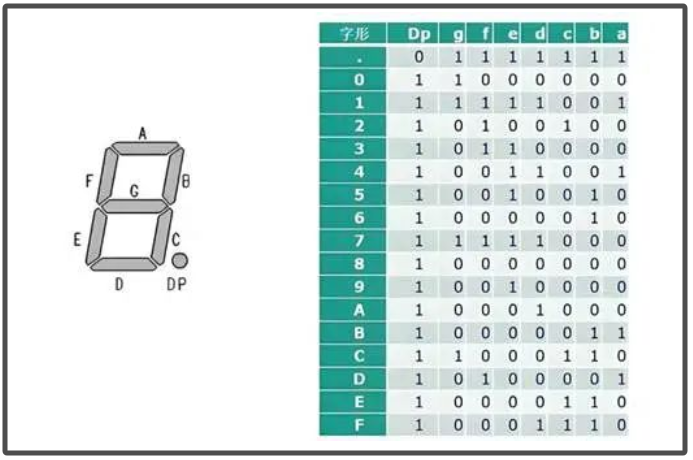
Traditional fitness equipment screens typically use LED segment displays, commonly seen in various electronic devices. Each character is formed by illuminating specific LED segments arranged in a figure-eight shape. A small dot LED may also appear as a decimal point. By turning these segments on and off, simple numbers or letters are displayed.
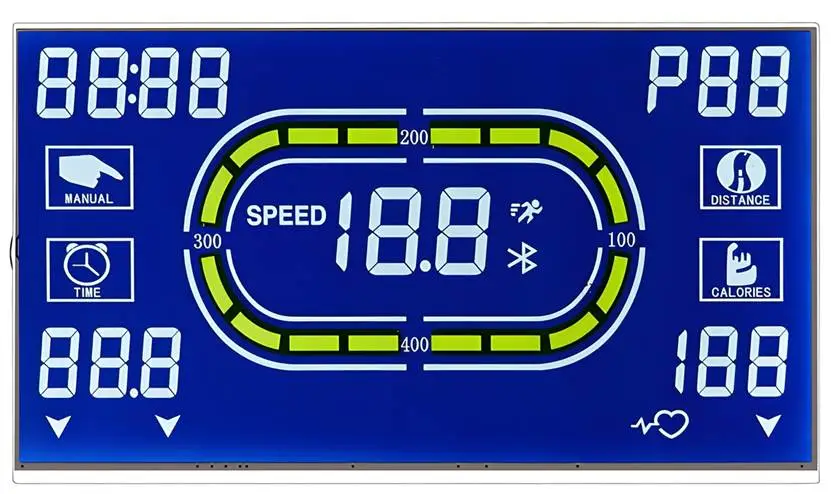
These screens have a simple structure and low manufacturing cost, making them reliable for basic applications. They offer advantages such as high durability, minimal cost, and the ability to function reliably in harsh environments. However, their display capabilities are limited, providing only simple numeric data, such as speed, distance, or calories burned.
Limitations of Traditional Screens
Traditional displays have significant limitations:
- Limited Interaction: Primarily offer one-way communication, showing basic workout data like time, speed, distance, and calories.
- No Data Storage: Workout data is lost once the equipment is turned off, making long-term progress tracking impossible.
- Data Isolation: Lack of connectivity means workout information cannot be shared between different equipment or devices.
The Rise of Smart TFT Screens
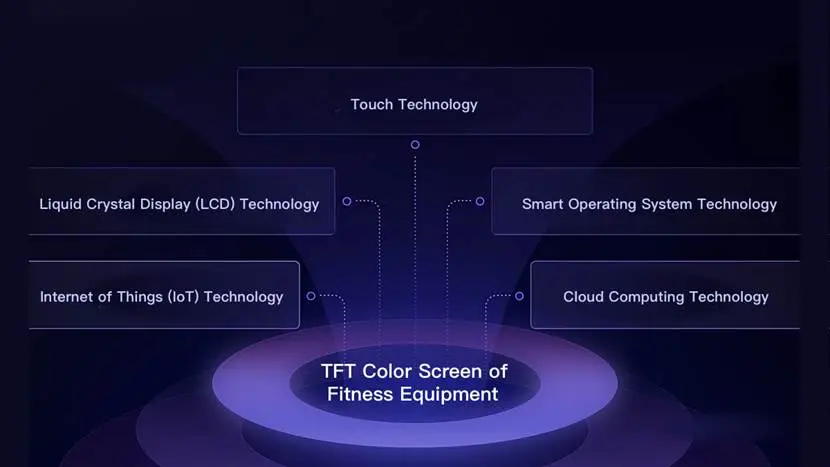
Smart TFT (Thin-Film Transistor) screens significantly improve upon traditional displays by integrating advanced technologies such as touch screens, IoT (Internet of Things), smart operating systems, and cloud computing.
Benefits of Smart TFT Screens
- Enhanced Visual Experience: TFT screens provide full-color, high-resolution visuals, making data easy to read and engaging.
- Interactive Touchscreen: Multi-touch capabilities allow users to intuitively control equipment, select workouts, and access entertainment features.
- Smart Operating System: Integration with Android or similar operating systems provides access to fitness apps, entertainment, and personalized workout plans.
- Cloud Integration: Data synchronization with the cloud ensures workout information is securely stored, analyzed, and accessible anytime, anywhere, solving data loss issues and enabling seamless use across multiple devices.
Application in Fitness Equipment
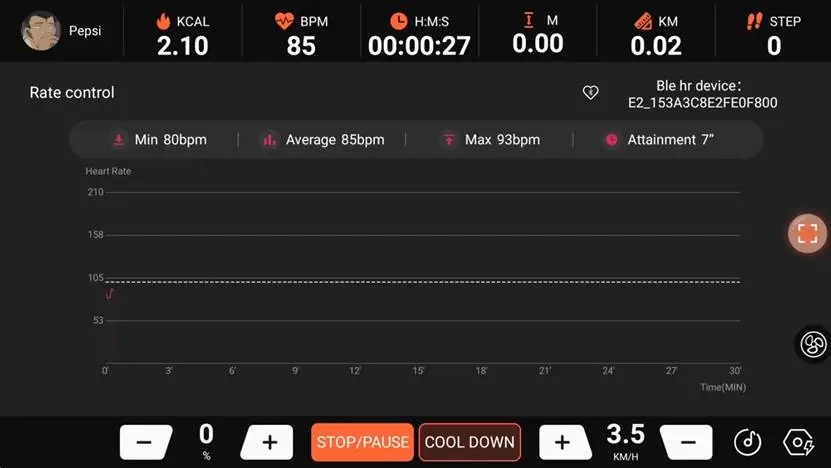
Treadmills
Smart screens display detailed real-time workout information, including speed, distance, heart rate, and calories burned. Users can also enjoy entertainment, such as streaming videos or music, making workouts enjoyable and less monotonous.
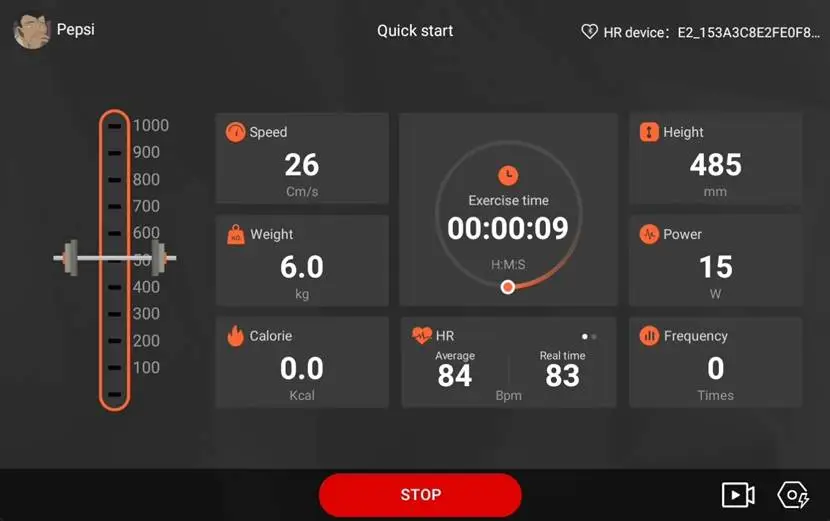
Strength Training Equipment
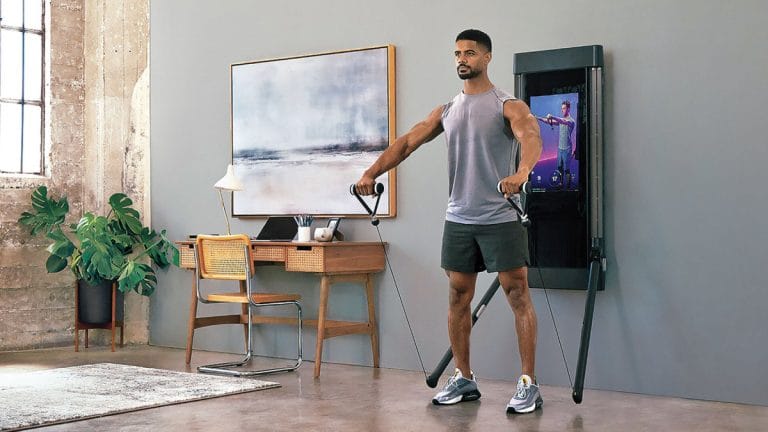
Users input their physical metrics (height, weight, fitness goals) to receive personalized strength training plans. Real-time tracking of weight lifted, repetitions, and sets completed is displayed clearly, helping users adjust their routines and achieve better results over time.
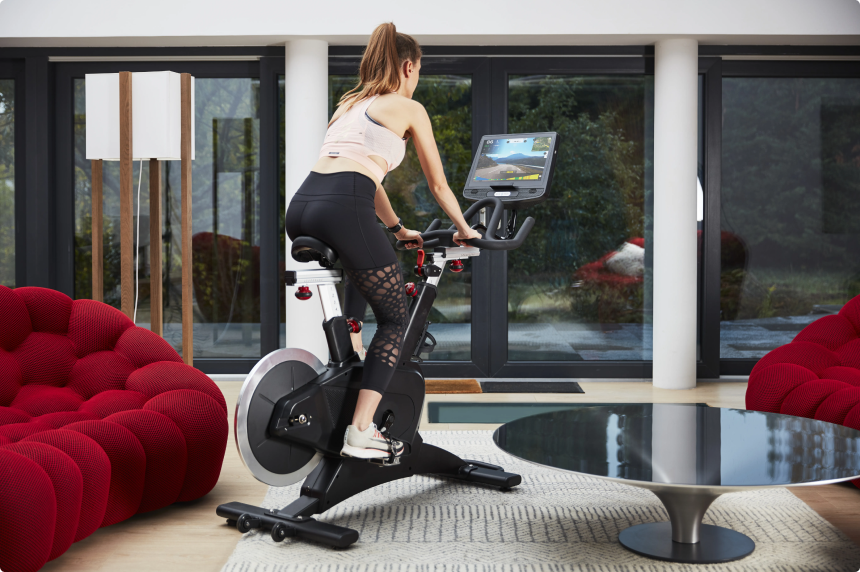
Exercise Bikes and Interactive Courses
Users can select professionally recorded workout sessions directly from the touchscreen, tailoring workouts based on their fitness goals and schedules. The display provides interactive feedback and encourages user engagement through virtual competition and challenges.
Screen Technology Options
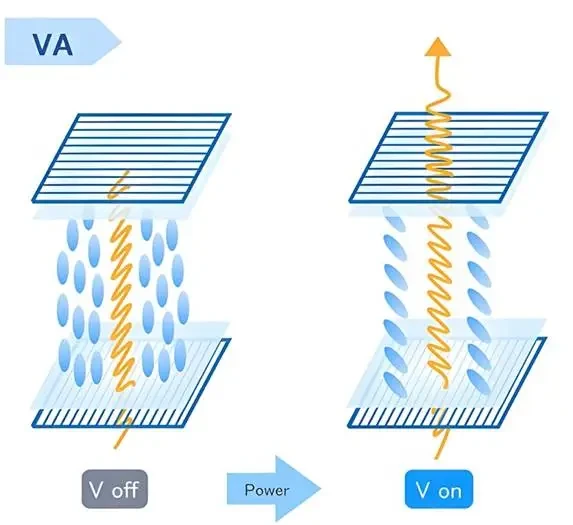
VA Panels: Offer excellent contrast and deep black tones, suitable for vivid visual presentations. However, VA screens can experience slight motion blur during fast movements.
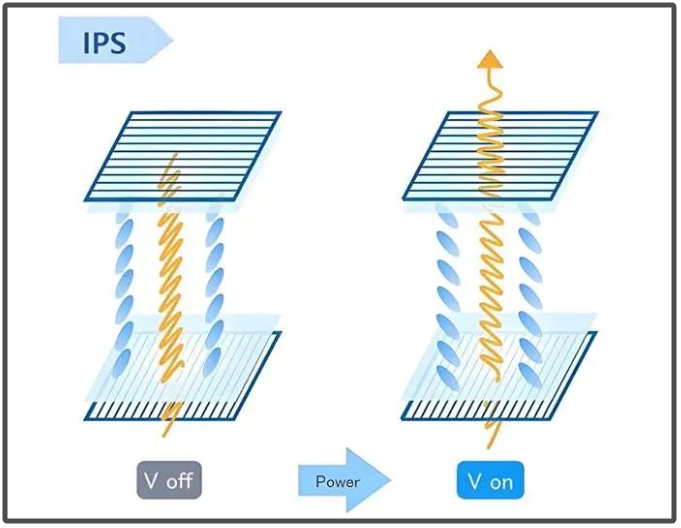
IPS Panels: Known for accurate colors, brightness, and faster response times, ideal for applications involving dynamic, fast-paced visuals.
Touchscreen Integration Techniques
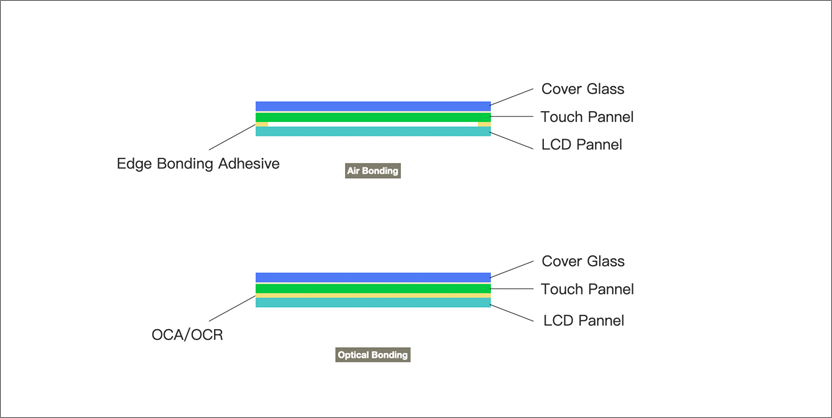
- Frame Bonding: Uses adhesive tape to attach the touchscreen around its edges, cost-effective but prone to reflections.
- Full Lamination: Eliminates the air gap between the screen and protective glass, providing clearer images with reduced glare and better protection against dust and moisture.
Future Trends in Fitness Equipment Displays
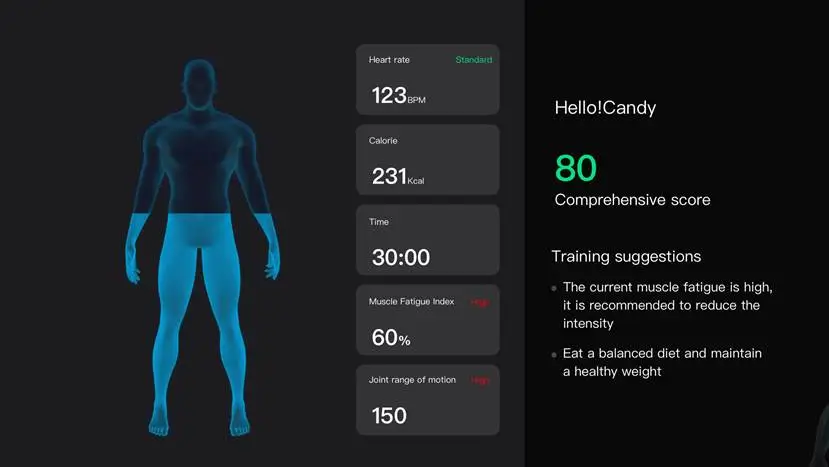
Intelligent Personalization
Smart screens will evolve to offer precise data analysis and personalized workout adjustments. They will analyze users’ physical conditions in real-time to optimize workouts, automatically adjusting intensity to match user needs.
Voice Control and AI Integration
Advanced voice control and AI-powered virtual coaching will offer personalized instruction and interactive feedback, enhancing the overall workout experience.
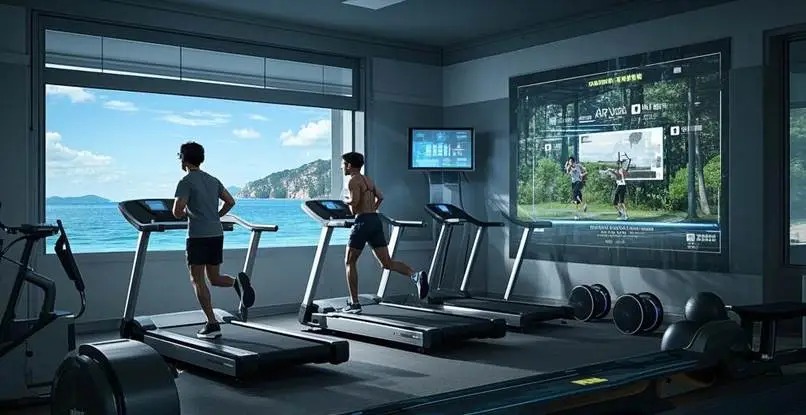
Immersive Experiences with VR/AR
Virtual Reality (VR) and Augmented Reality (AR) technologies will be integrated, creating immersive and engaging workout scenarios, making fitness routines more motivating and enjoyable.
Social Integration and Competition
Fitness equipment will connect deeply with social platforms, allowing users to share achievements, participate in virtual challenges, and compete with friends to boost motivation.
In conclusion, the shift from traditional displays to TFT smart screens represents a significant advancement, enhancing interaction, data management, user engagement, and overall fitness experience. This evolution signifies an exciting new era for fitness equipment, where technology meets wellness, reshaping how users engage with their health.


0 Comments
No comments yet. Be the first to share your thoughts!
Leave a Comment