
How Fitness Equipment Manufacturers Can Break Fixed Mindsets and Embrace Innovative Thinking
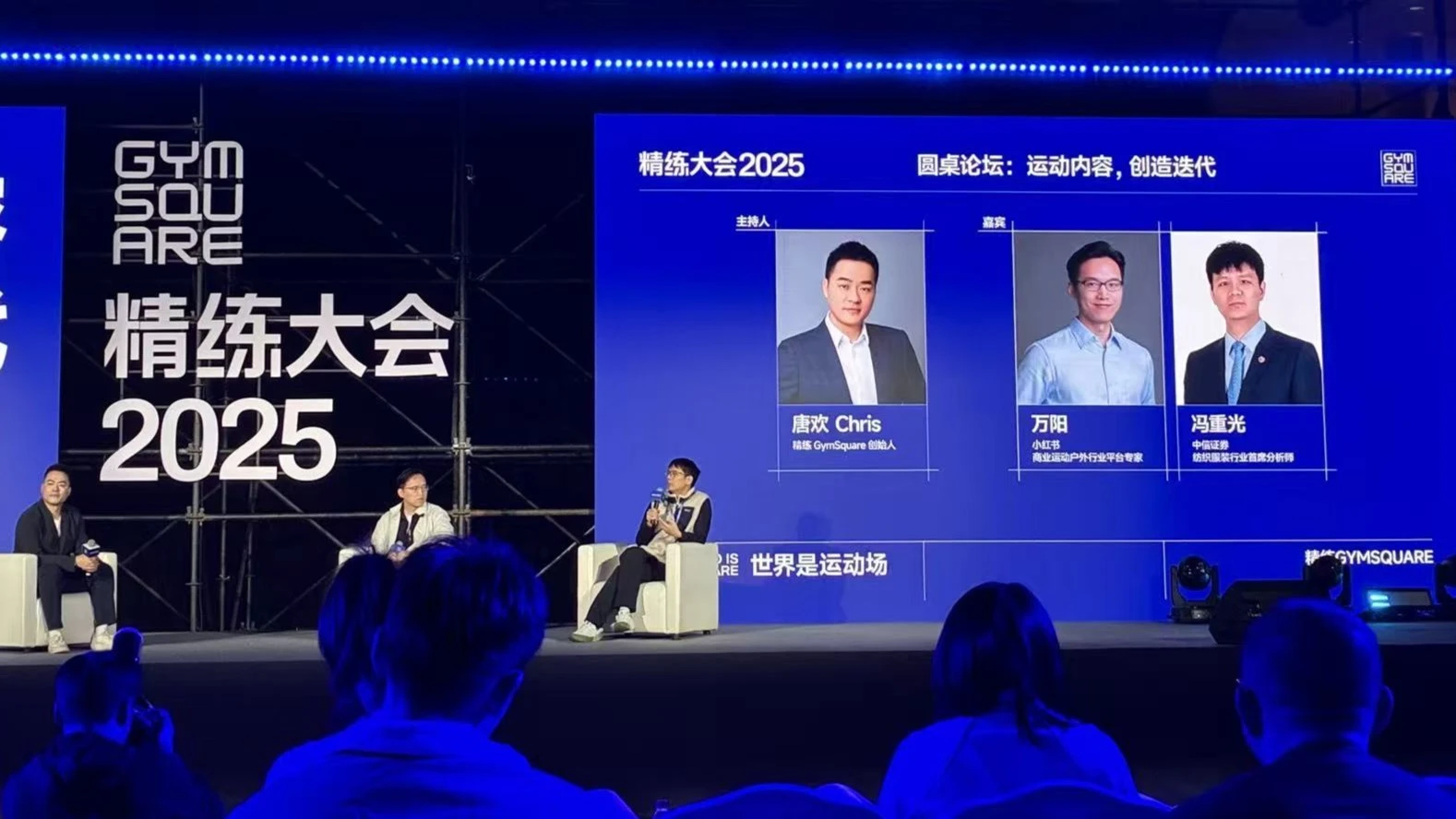
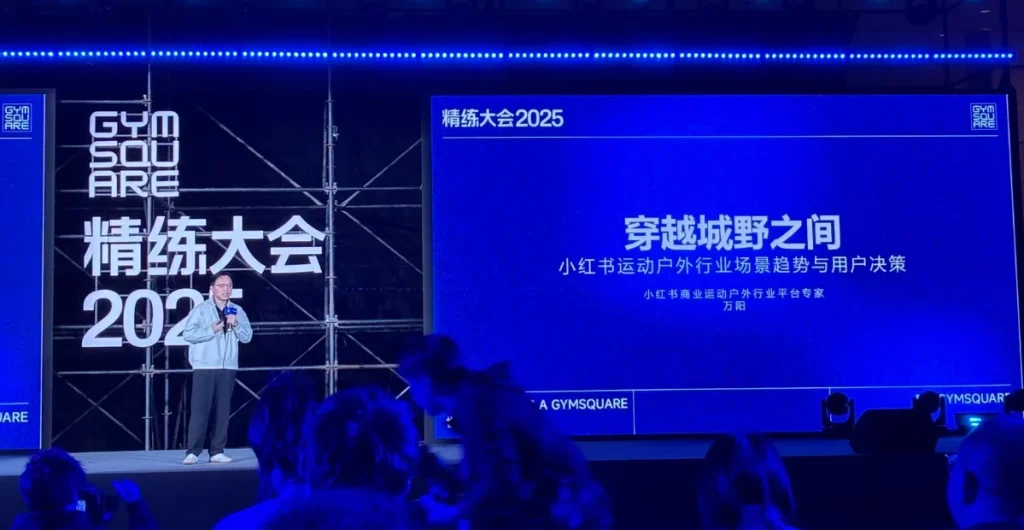
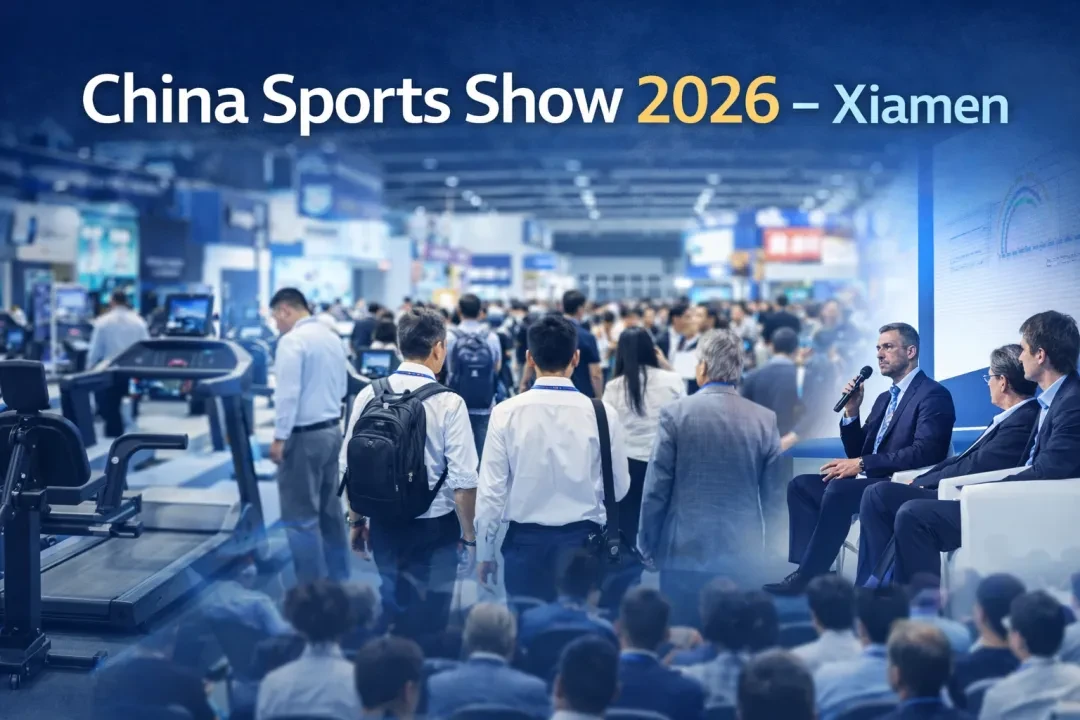
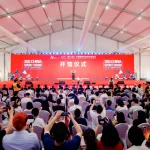
Yesterday, I attended the GYMSQUARE SUMMIT 2025 in Shanghai, and I would like to share a few reflections inspired by the event.
The summit, hosted by GYMSQUARE (精练), has now reached its sixth edition. This year’s theme — “The World Is a GymSquare” — brought together keynote speakers and panelists to explore the industry’s current landscape and future trends.
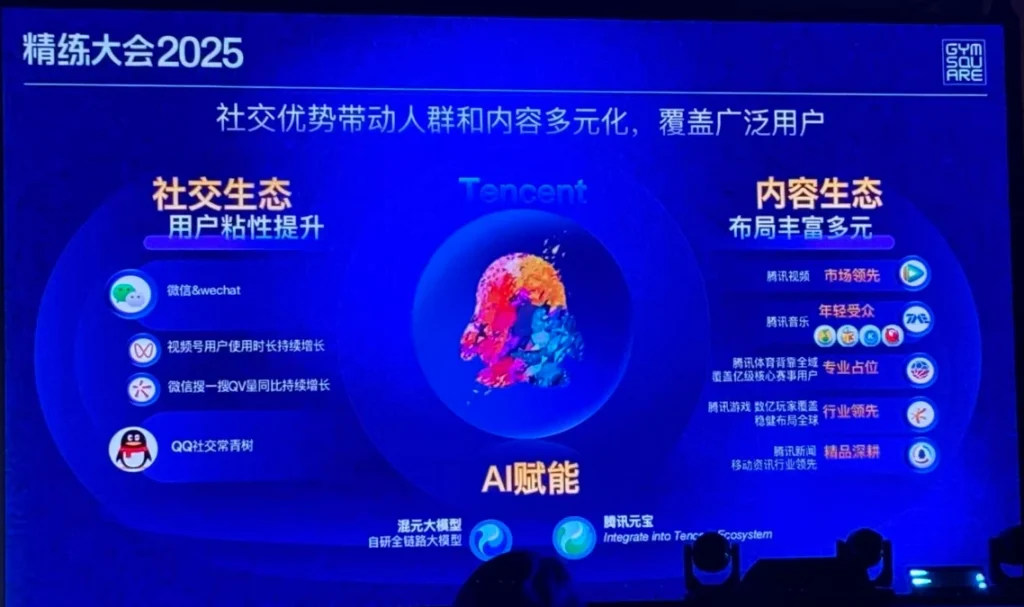
The audience consisted largely of experts and marketing professionals in sports, outdoor activities, and health. Representatives from platforms such as Xiaohongshu, Meituan, Tencent, and Bilibili were present, alongside emerging brand founders, investors, and even executives from leading fitness equipment companies such as JOHNSON/Bowflex and SHUA Sports.
As someone deeply rooted in the fitness equipment manufacturing sector, this cross-disciplinary exchange gave me tremendous inspiration. It allowed me to re-examine our industry’s product positioning and marketing logic from a completely different perspective.
Understanding Human Nature: The Starting Point of All Products
During a panel discussion, Alex from GYMPACK said something that struck me deeply:
“Almost all products ultimately serve a few fundamental human needs: the desire to look good, the fear of death, the need for love, and the avoidance of boredom.”
This simple yet powerful statement goes straight to the core. Not only fitness and sports products, but many everyday consumer goods are essentially designed to serve these deep-rooted human desires.
It prompted me to reflect:
When we develop products or design marketing strategies, do we fully consider and address these inherent human needs?
Manufacturing Mindsets vs. Brand Mindsets
Most companies I work with come from traditional manufacturing backgrounds, serving primarily B2B clients with a focus on engineering, production, and OEM/ODM solutions.
In contrast, successful emerging consumer brands — even those without factories or engineering teams — often excel by identifying and addressing a very specific pain point for end users. For them, traditional product specifications or “cost-performance ratios” are not always the top priority. Their success lies in solving the right problem.
Manufacturers, however, tend to anchor their competitiveness in:
“If others have it, mine must be better; if others are better, mine must be cheaper.”
Through design optimization, cost control, and production efficiency, they pursue incremental improvements to gain a price advantage. This mindset is not wrong — it reflects the craftsmanship of manufacturing — but it may not be sufficient.
The Invisible Trap: Competing Only on Seen and Homogeneous Needs
Most manufacturers focus on consumer needs that are already well-known and clearly defined. This creates a narrow competitive space where companies battle over:
- Small specification differences
- Marginal quality improvements
- Lower production costs
- A slightly better “cost-performance ratio”
The result?
An endless cycle of Hyper-competition — thin margins, operational pressure, and minimal differentiation.
The Real Breakthrough: Serving Unseen or Underserved Needs
True innovation often comes from identifying needs that are:
- Not yet fully recognized
- Not yet well served
- Not yet solved by competitors
When your product and marketing strategies deliver a unique form of value that competitors cannot replicate, the competition shifts from a red ocean of cost to a blue ocean of unmet needs.
At that point, price is no longer the decisive factor.
Too many companies invest heavily in “what everyone else has,” trying only to be slightly better or slightly cheaper — and far too little in exploring “what no one else has.”
Should B2B Manufacturers Follow the Same Path as Consumer Brands?
Not necessarily.
Industry specialization and division of labor must still be respected. OEM/ODM manufacturers will naturally have different priorities than consumer-facing brands.
However — and this is crucial — this does not mean we can operate with closed doors and closed minds.
Even in B2B manufacturing:
- Market awareness
- Cross-industry learning
- User insights
- Brand-level thinking
…all remain essential.
Whether we talk about product development or B-side marketing, the key is to build sensitive antennas to monitor the market and understand how consumer needs are transmitted through every layer of the supply chain.
From Being Seen → To Being Trusted → To Becoming Essential
From a business perspective, manufacturers must progress through three stages:
- Being Seen — gaining visibility in the market
- Being Trusted — earning credibility through capability and consistency
- Becoming a Critical Part of the Value Chain — achieving irreplaceable strategic value
This transformation requires not only operational excellence, but also strategic openness and continuous interaction with the market.
Breaking the Involution Cycle: No Universal Recipe, but One Clear Direction
There is no one-size-fits-all formula for escaping the pressures of cost-driven competition. Every company must evaluate its own strengths, position, and resources.
But one thing is certain:
An open mindset and intentional cross-disciplinary dialogue are essential to breaking cognitive limitations and discovering new opportunities.
This may well be the key for us — as manufacturers — to overcome today’s widespread sense of anxiety and unlock new avenues for growth.
Related Q&A
Q: What is Gymsquare? and what is its role in China's fitness market?
A:
GYMSQUARE is a leading industry service brand in China’s fitness and active lifestyle sector.
Built on a foundation of content, data, and industry services, GYMSQUARE provides insights and professional resources to fitness brands, gyms, coaches, investors, and active consumers through media reporting, market analysis, trend research, training programs, and offline summits.
With deep expertise in the active lifestyle category, GYMSQUARE consistently publishes influential industry analyses and user trend reports. Its annual flagship event, the GYMSQUARE SUMMIT, brings together thought leaders and emerging brands across fitness, health, outdoor and consumer sectors, fostering dialogue, innovation, and cross-industry collaboration.
Leveraging its strong content capabilities and industry reach, GYMSQUARE has become one of the most recognized knowledge and insight platforms in China’s fitness ecosystem, offering strategic value and inspiration to industry stakeholders.






Comments (0)
No comments yet, be the first to comment!