
For international buyers entering the fitness equipment industry, especially small and medium-sized importers who rarely visit China, one of the biggest challenges is finding reliable and trustworthy suppliers.
China remains the world’s largest manufacturing base for fitness and sports equipment, home to thousands of factories producing treadmills, exercise bikes, rowing machines, strength training machines, outdoor sports products, and rehabilitation equipment.
However, the sheer number of suppliers also means buyers must develop good judgment — not all factories are equal in terms of quality, capacity, or integrity.
This article provides a clear roadmap for global buyers to identify qualified Chinese fitness equipment manufacturers, compare online and offline sourcing channels, and verify the authenticity of potential partners.
1. Online and Offline Channels: Know Your Options
When searching for a China fitness equipment factory, both online and offline channels have their advantages. The most successful buyers often combine both.
Online Platforms
• Alibaba.com and Made-in-China.com are the largest general B2B marketplaces in China. However, these platforms include both manufacturers and many trading companies. With so many suppliers and product listings, it can be overwhelming to know where to start.
• FitGearSource.com specializes in the fitness and sporting goods industry, offering a curated database of audited factories, verified supplier profiles, and on-site factory tours. It’s designed for buyers who want to save time and connect directly with reliable fitness equipment manufacturers. The platform is built and managed by a professional team with over 20 years of experience in fitness equipment sourcing and quality management, and has an excellent reputation in the industry.
• Other regional platforms such as Global Sources, 1688, or industry-specific forums can also help buyers locate component suppliers — such as motor manufacturers, injection molding factories, and accessories producers.
Offline Channels
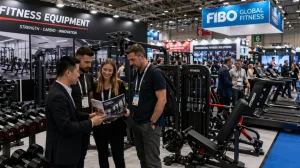
Attending professional trade shows is still one of the best ways to evaluate suppliers face-to-face and discover real fitness equipment factories and meeting supplires in person always help to establish matual understanding and find good business opportunities.
Key events in China’s fitness and sports industry include:
• Canton Fair (Guangzhou) – China’s largest trade show, held twice a year. The third phase of Canton Fair includes sports goods and home fitness equipment. It’s ideal for exploring consumer products, although the number of fitness and sports exhibitors is relatively limited because some small-medium size but excellent factories may not yet qualify to exhibit at the Canton Fair.
• China Sport Show – The biggest and only official, state-endorsed sports and fitness exhibition in China, covering commercial gym equipment, rehabilitation devices, and smart fitness solutions. The event location changes annually — Nanchang on May22~May25, 2025 and Xiamen on May21~May24 ,2026.
• IWF Shanghai International Fitness Expo – Focused on commercial gym solutions, digital fitness technology, and health trends. It attracts both Chinese and international brands.
Each show has its own positioning:
• Canton Fair for broad sourcing opportunities
• China Sport Show for sports and fitness equipment categories
• IWF Shanghai for commercial and professional gym equipment
2. Identifying Real Manufacturers vs. Trading Companies
A common mistake among foreign buyers is assuming that every company on a B2B platform is a factory. In reality, many trading companies pretend to be manufacturers.
To identify genuine factories, pay attention to a few key signs.
Real fitness equipment manufacturers usually have their own production workshops — you’ll see welding, machining, coating, and assembly lines in their photos or videos. They also tend to specialize in specific product categories, such as treadmills or strength equipment, rather than offering every type of item from yoga mats to scooters.
Their business address is another indicator: true factories are generally located in industrial parks or manufacturing zones, not in office towers downtown. Company names can also reveal a lot — legitimate producers often include words like Equipment Co., Ltd. or Manufacturing Co., Ltd., while trading firms frequently use Trading Co. or Import & Export Co.
Finally, take a close look at their visuals. Real factories show authentic photos of workshops, workers, and testing areas. In contrast, trading companies often rely on showroom pictures or stock images.
If you’re still unsure, request a live video factory tour — a genuine Chinese fitness equipment factory will have no problem showing its production lines, staff, and daily operations. However, With AI techonoligy nowadays, Live Video might also boo fake and you also have to identify whether the sales person who talking to you are the employee from the factory or he or she is just a freelance or from a trading company.
3. How to Verify Supplier Authenticity
After shortlisting potential suppliers, verifying their legitimacy and capability is essential.
A reliable China fitness equipment factory will be transparent and able to provide official documentation.
Check the Business License
Every registered Chinese company has a Unified Social Credit Code (USCC) — similar to a registration number.
You can verify this on the official government site: https://www.gsxt.gov.cn.
Pay attention to:
• Business scope (should include “manufacturing,” “production,” or “fitness equipment”)
• Registered capital (larger capital generally indicates financial stability)
• Year of establishment (older factories usually have more experience)
Check the Company Website
A legitimate manufacturer’s website should include:
• Real photos of workshops and equipment
• Certifications (ISO 9001, ISO 14001, ISO 20957, CE, RoHS, etc.)
• Product specifications and technical details
• Factory address and contact information
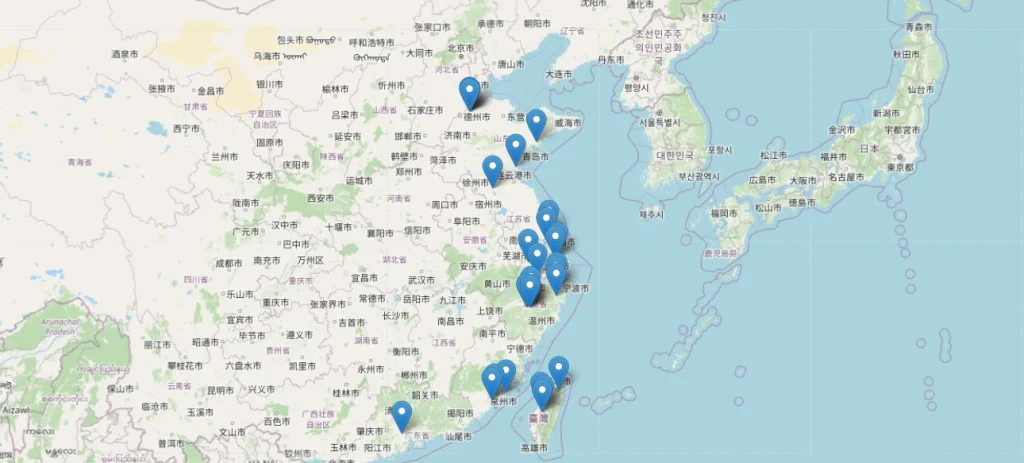
However, ths information on the webite is in Chinese, and you may need a local people to assist you during this investigation. You can also verify the location via Google Maps or the FitMAP factory map, which shows verified factory addresses and also with the link to detailed manufacurer profile and products.
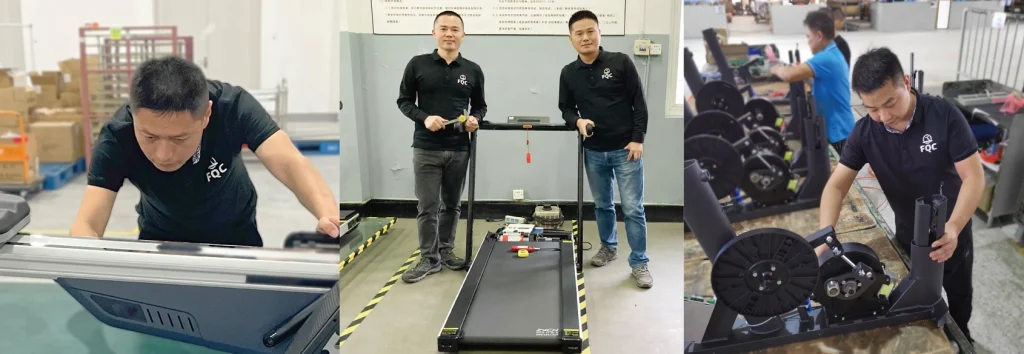
All factories displayed on FitMAP are personally audited by the FQC (Fitness Quality Control) team, which conducts on-site factory audits, interviews, and video documentation to verify authenticity.
4. Seek Third-Party Verification
Before placing a large order, especially for key projects, consider visiting the supplier in person or hiring a third-party factory audit organization for independent inspection.
Well-known service providers such as FQC, SGS, TÜV Rheinland, and Intertek offer:
• Factory Audits: Evaluate facilities, equipment, manpower, and capacity
• Pre-shipment Inspections: Check product quality, packaging, and labeling before shipment
Such services typically cost between USD 300–600, but can prevent major quality risks and financial losses.
Conclusion
China’s fitness equipment manufacturing industry is vast and full of opportunities — from entry-level home fitness machines to advanced commercial gym solutions.
However, sourcing success depends not on luck but on systematic evaluation and professional due diligence.
By using professional industry platforms like FitGearSource, attending major trade shows such as the Canton Fair and the China Sport Show, and leveraging tools like FitMAP and third-party factory audits, international buyers can confidently connect with real fitness equipment factories in China.
Through verified information, on-site inspections, and trusted partnerships, global buyers can secure stable quality, reliable delivery, and long-term growth in the global fitness equipment and gym equipment market.



Comments (0)
No comments yet, be the first to comment!