
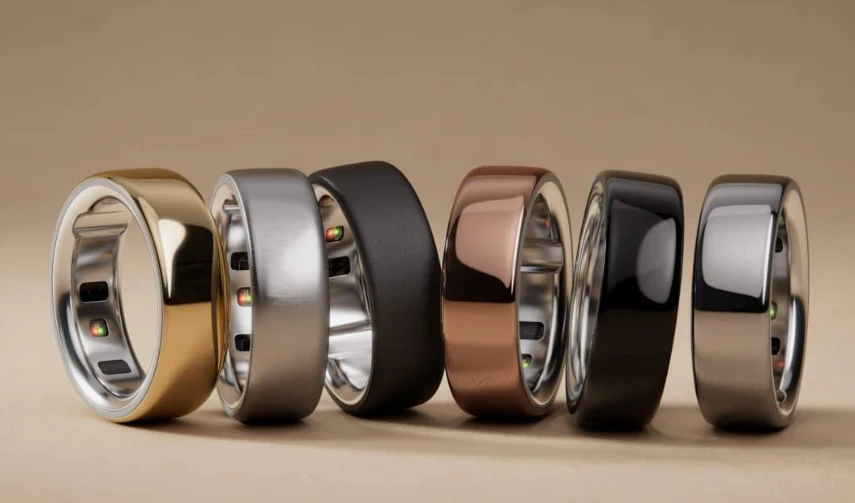
In a move signaling the shift from basic activity tracking to deep physiological monitoring, health-technology firm Oura announced the launch of two new features: Cardio Effort and an automatic VO₂ max estimation. Announced on October 20, 2026, these tools enhance individual cardiovascular tracking, offering fitness facilities, personal trainers, and equipment operators a more nuanced understanding of how members respond to exercise, internal training loads, and recovery needs.
For commercial gyms and health clubs, the updates underscore a broader trend within the fitness hardware ecosystem: moving away from primitive metrics like step counts or raw calories toward physiological context that can be paired with strength and cardio equipment to optimize member outcomes.
Cardio Effort: Quantifying Internal Cardiovascular Load
Traditional cardio equipment display monitors often measure external workload (speed, incline, wattage, distance). In contrast, Oura’s new Cardio Effort feature calculates the internal cardiovascular stress experienced by the individual.
Using the established Training Impulse (TRIMP) framework, Cardio Effort integrates heart rate response, intensity, and duration across user-initiated workouts, automatically detected sessions, and manual logs. By measuring internal load rather than purely external output, two distinct treadmill or cycle sessions—such as a short high-intensity interval training (HIIT) sprint versus a steady-state Zone 2 ride—can be evaluated for their true equivalent strain on the cardiovascular system.
Key operational details of Cardio Effort include:
TRIMP-Based Load Calculation: Combines exercise intensity and duration with real-time heart rate response when sufficient biometric data is available.
Personalized Weekly Baselines: Accumulates strain over a seven-day period and compares it against a 14-day rolling historical baseline.
Five Effort Zones: Categorizes weekly activity across five distinct zones (ranging from below-average levels to highly demanding weeks) to indicate whether a member is maintaining, progressing, or overtraining and requiring additional recovery.
Device Compatibility: Available on Oura Ring Generation 3 and newer models with an active membership across iOS and Android platforms.
Automatic VO₂ Max Estimation: Tracking Aerobic Capacity Progress
Complementing strain quantification, Oura has updated its former “Cardio Capacity” feature with an automatic VO₂ max estimation (measured in ml⋅kg^(-1)⋅min^(-1)). Derived from GPS-enabled outdoor walks, runs, and hikes (requiring five valid initial activities), the feature establishes a baseline for cardiorespiratory fitness.
Currently rolling out via Oura Labs for Oura Ring Gen3 and newer devices, the tool allows members and coaches to observe long-term aerobic conditioning trends over time. While manual entries from laboratory stress tests or external devices can be stored in the app, the automatic algorithms provide a continuous, real-world estimation of aerobic performance outside structured lab settings.
Strategic Implications for Gym Operators, Coaches, and Equipment Manufacturers
While Oura has not announced a dedicated B2B enterprise dashboard or direct integration with commercial gym management software in this release, the feature rollout carries strategic value for fitness professionals and equipment developers:
Bridging Equipment and Wearable Data: Gym operators can leverage these metrics to educate members on why high volume on cardio machines does not automatically translate into immediate VO₂ max gains, emphasizing the necessity of periodization and active recovery.
Contextual Training Loads: Coaches can use internal strain metrics alongside strength and cardio machine outputs to adjust weekly program design, preventing overtraining syndrome and reducing member drop-off caused by burnout.
Complementary Measurement: The metrics provide valuable baseline estimations for everyday training guidance, though operators should advise members that wearable estimations complement, rather than replace, clinical diagnostic testing or laboratory-grade stress evaluations.
As smart ring technology and personal wearables evolve toward advanced physiological context, commercial fitness facilities and smart equipment platforms are increasingly tasked with synthesizing wearable data to deliver smarter, personalized, and more sustainable training experiences.
About Oura (Oura Health Oy)
Founded in 2013 and headquartered in Oulu, Finland, and San Francisco, California, Oura is the developer of the Oura Ring and the Oura App—a smart wearable platform delivering personal health insights across sleep, recovery, heart rate variability (HRV), daily readiness, and activity tracking. Combining medical-grade micro-sensors with advanced biometric algorithms, Oura translates complex physiological data into actionable guidance for personal health, performance optimization, and daily wellness management.
Read more…



You must be logged in to post a comment.