
—Insights from the 2024 China Fitness Industry Data Report
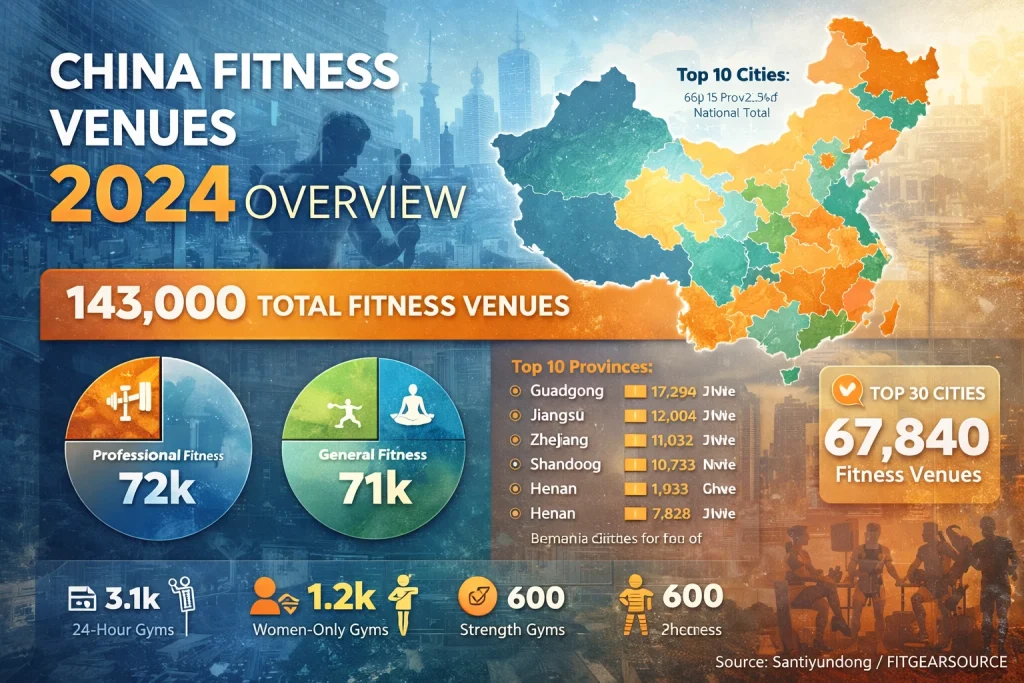
According to industry statistics, by the end of 2024, the total number of sports leisure service and fitness-related venues in China reached approximately 169,000, including 26,000 sports leisure venues and 143,000 broad-definition fitness venues.
Compared with 2023, the number of broad fitness venues—those more closely related to the fitness industry—increased by about 26,000 units, marking the first rebound after three consecutive years of decline since the pandemic.
Professional and General Fitness Segments Grow in Parallel
Within the 143,000 broad-definition fitness venues:
- Professional fitness formats (such as health clubs and fitness studios) account for about 72,000 venues
- General fitness venues account for approximately 71,000 venues
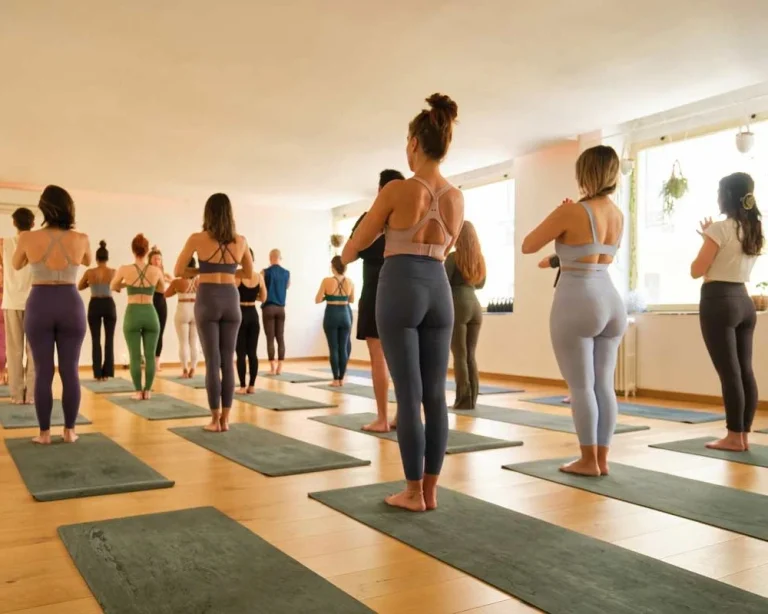
These include yoga studios, Pilates studios, boxing and martial arts gyms, taekwondo and karate centers, and other indoor sports facilities closely related to fitness.
In addition, several emerging niche formats are expanding rapidly:
- Around 3,120 24-hour self-service gyms
- Approximately 1,231 women-only fitness facilities
- About 600 strength-focused “iron gyms”
These figures indicate that specialized and segmented concepts are becoming new growth drivers in the market.
Top 10 Provinces Account for 62.5% of the National Total
At the provincial level, the top 10 provinces (including municipalities) together host approximately 89,500 broad-definition fitness venues, accounting for 62.5% of the national total.
Compared with 2023, the total number of venues in these top provinces increased by about 15,500 units, reflecting overall market growth.
The top five provinces in 2024 are:
- Guangdong – 17,294 venues
- Jiangsu – 12,004 venues
- Zhejiang – 11,032 venues
- Shandong – 10,733 venues
- Henan – 7,828 venues
In terms of growth:
- Sichuan recorded the highest increase at 25.78%
- Hubei grew 24.99% and entered the top-10 ranking
From a regional perspective:
- East China: 53,600 venues, accounting for 37.41%
- South China: 15.01% share
- Southwest China: share increased to 10.58%
East and South China remain the two largest clusters of fitness facilities nationwide.
City Level: Top 30 Cities Represent 47.35% of the Market
At the city level, the top 30 cities account for 67,840 broad-definition fitness venues, representing 47.35% of the national total.
The top five cities in 2024 are:
- Shanghai – 6,127 venues
- Beijing – 5,307 venues
- Chengdu – 4,193 venues
- Shenzhen – 4,062 venues
- Guangzhou – 3,884 venues
Chengdu rose to third place in 2024, surpassing Shenzhen after two consecutive years of ranking improvement.
In terms of scale distribution:
- The top 15 cities each have more than 2,000 venues
- Cities ranked 16–30 generally fall within the 1,000–2,000 venue range
Cities with rising rankings include Chengdu, Wuhan, Xi’an, Tianjin, Zhengzhou, Wenzhou, Xiamen, Kunming, Shijiazhuang, and Fuzhou.
Cities that declined include Shenzhen, Qingdao, Dalian, Dongguan, and Xuzhou, with Dongguan dropping the most, falling seven places.
Key Industry Signals: First Recovery Since the Pandemic
Overall, the 2024 data reveal three major structural trends in China’s fitness facility market:
- Total venue count has returned to growth
Broad-definition fitness venues increased after three years of decline.
- More diversified facility structure
The number of professional fitness venues and general fitness venues is now nearly equal, reflecting more diverse exercise scenarios.
- High regional and urban concentration
The top 10 provinces and top 30 cities account for 62.5% and 47.35% of the national total, respectively, indicating strong concentration in major economic regions and metropolitan areas.
________________________________________
Source: Data and figures cited from Section 6.2 of the 2024 China Fitness Industry Data Report by Santiyundong.