
Fitness Equipment Industry News · September 2025
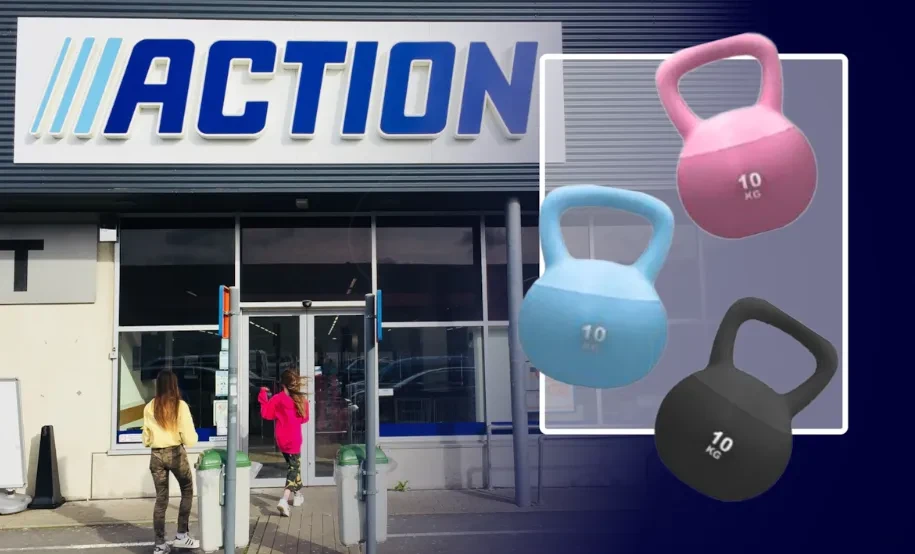
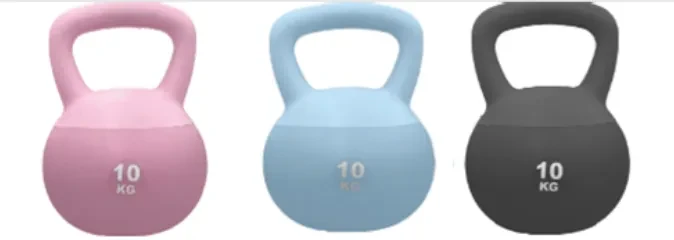
European discount retail chain Action announced in September 2025 that it is proactively recalling certain 10 kg kettlebells after regulators detected slightly elevated levels of ionising radiation. The affected products were manufactured in China and sold in Belgium and the Netherlands between 28 July and 8 August 2025, covering pink, blue, and grey models.
According to Action’s official statement,
“The radiation level does not pose an immediate health risk, but long-term or frequent exposure may carry a limited potential risk.”
The retailer has advised consumers to stop using the product immediately and return it to stores. The recall covers both online and offline sales channels.
Regulators confirm “very limited risk”
The recall was initiated following inspections by the Netherlands Authority for Nuclear Safety and Radiation Protection (ANVS) and Belgium’s SCK CEN Nuclear Research Center. Both agencies confirmed that although the kettlebells’ radioactivity exceeded legal limits for consumer products, the overall risk remains very low.
Regulators provided a practical comparison:
Even the kettlebell with the highest measured radioactivity would expose a person to roughly the same dose as a short flight from Amsterdam Schiphol Airport to Brussels if held against the leg for one hour — a level considered harmless.
Measured activity: approximately 9 Bq/g (becquerels per gram)
While not high in absolute terms, this value may exceed regulatory thresholds for consumer goods.
Why do kettlebells contain radioactivity? Zircon sand
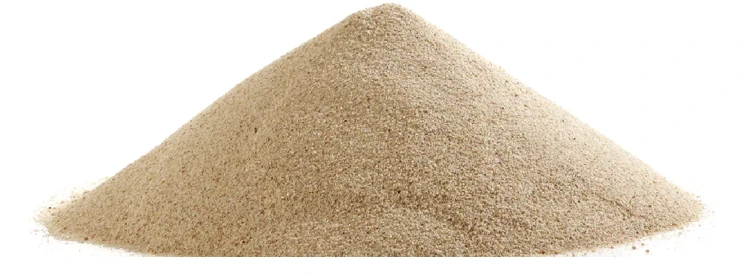
SCK CEN explained that the kettlebells were filled with zircon sand, a natural mineral widely used in ceramics, casting molds, and industrial applications. Zircon sand can contain trace amounts of naturally occurring uranium, thorium and their decay products, which produce measurable ionising radiation.
Importantly, zircon is not unique in this regard. Many natural materials can contain low levels of radioactivity, including:
- Building stone
- Granite countertops
- Quartz sand
- Phosphate fertilizers
These materials contain naturally occurring radioactive materials (NORM) — a natural phenomenon, not an industrial contaminant.
Don’t panic: Radioactivity ≠ danger
Scientific institutions stress that “radioactive” does not automatically mean “hazardous.” Key principles include:
- Background radiation exists everywhere — in air, soil, food, and even the human body
- Risk is determined by dose and duration, not the mere presence of radiation
- Short-term exposure to low-level radiation generally does not cause health effects
- Medical CT scans and commercial air travel involve far higher radiation doses
Therefore, this recall is considered a preventive action, not a public health emergency.
Supply Chain Implications for the Fitness Equipment Industry
Although the risk is low, the incident offers important lessons for manufacturers, brands, and retailers of free weights and strength equipment.
1. Raw material traceability becomes more important
Especially for products filled with sand, mineral powders, or industrial by-products — such as kettlebells, dumbbells, ankle weights, weighted vests, etc.
2. Compliance requirements are expanding
Traditional focus areas include:
- Mechanical safety
- Structural integrity
- Chemical compliance (REACH, RoHS, Prop 65)
Going forward, retailers may add:
- NORM testing (Naturally Occurring Radioactive Material)
- Material activity reports and declarations
3. Brand reputation and communication matter more than ever
Even if the risk is extremely low, consumer perception must be managed. Transparent disclosure is essential.
4. Retailers will tighten screening standards
Large supermarket chains and e-commerce platforms may require:
- Third-party radiation testing reports
- Documentation of raw material origin
- Risk assessments and compliance files
Industry Recommendations
To avoid similar incidents, manufacturers, traders, and brand owners can consider the following steps:
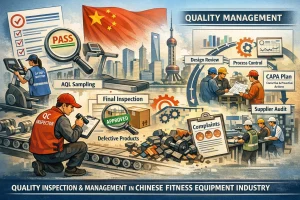
- Conduct radiation screening for filling materials
- Require suppliers to provide MSDS and raw material origin certificates
- Establish material testing and traceability systems
- Proactively explain quality control processes to customers and partners
In an environment where global regulations are moving toward stricter and more detailed safety requirements, proactive compliance is always more cost-effective than crisis response.



Comments (0)
No comments yet, be the first to comment!