

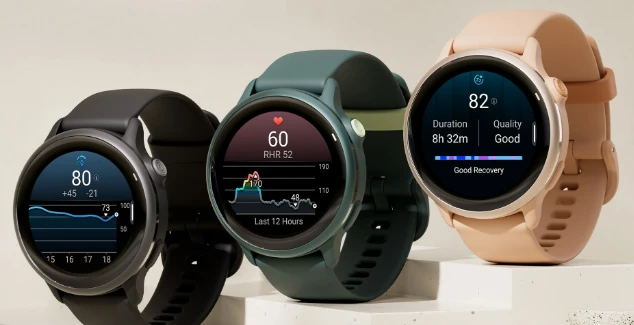
In February 2026, Garmin Ltd. released its fourth quarter and full-year results for fiscal year 2025. The report not only reflects steady financial growth, but also highlights a structural shift within the company, as the Fitness segment further strengthened its role as Garmin’s primary growth engine.
________________________________________
1. Overall Financial Performance: Record Revenue and Expanding Margins
For fiscal year 2025, Garmin reported total revenue of approximately $7.25 billion, representing a 15% year-over-year increase and marking a new company record. Fourth-quarter revenue reached approximately $2.1 billion, up 17% year over year.
Profitability improved alongside revenue expansion. Full-year operating income approached $1.9 billion, with operating margins continuing to expand. This performance reflects effective cost management and an increasingly favorable product mix.
The company also raised its annual dividend and continued its share repurchase program, signaling management’s confidence in stable cash flow and long-term growth. For fiscal year 2026, Garmin issued revenue guidance of approximately $7.9 billion, indicating expectations for continued momentum.
________________________________________
2. Fitness Segment: Revenue Up 33% Year Over Year
Among Garmin’s five reporting segments, Fitness delivered the strongest growth.
Fourth-quarter Fitness revenue reached approximately $766 million, representing a 42% year-over-year increase. For the full year, Fitness revenue totaled approximately $2.36 billion, reflecting a 33% year-over-year increase. This growth significantly outpaced Garmin’s overall revenue growth rate, reinforcing Fitness as one of the company’s largest and fastest-growing segments.
The key drivers behind this performance include:
• Strong demand for premium sport smartwatches, especially in running, triathlon, and advanced training categories
• Continued expansion of high-end consumer segments
• Higher engagement within the Garmin Connect ecosystem
Unlike mass-market smartwatch brands that emphasize general lifestyle functions, Garmin continues to position itself as a professional sports technology company, focusing on long battery life, data accuracy, and advanced training metrics. This specialization has allowed the brand to maintain strong loyalty among performance-oriented athletes and serious fitness users.
At the same time, Garmin is gradually integrating AI-powered insights, health analytics, and potential subscription-based features into its ecosystem. While hardware sales remain the primary revenue source today, the long-term direction toward a “hardware + data services” model is becoming increasingly visible.
________________________________________
3. Other Segments: Diversified Growth Structure
Beyond Fitness, Garmin’s other business segments also contributed to overall stability and growth:
Outdoor
The Outdoor segment benefited from demand for high-end adventure wearables and outdoor navigation products, delivering steady performance and complementing the Fitness portfolio.
Aviation
Garmin’s aviation electronics business remains a technologically advanced and profitable segment, providing consistent cash flow support.
Marine
Marine revenue continued to grow, driven by demand for advanced navigation systems and integrated marine electronics.
Auto OEM
Although smaller in scale, the automotive OEM segment remains strategically relevant in embedded systems and vehicle integration technologies.
This diversified structure enhances Garmin’s resilience against volatility in any single consumer electronics category.
________________________________________
4. Strategic Transition: From Hardware Company to Health Technology Platform
Garmin’s development path continues to evolve. Once primarily known for GPS devices, the company is now increasingly driven by premium wearables in Fitness and Outdoor.
More importantly, Garmin is positioning itself as a sports data and health technology platform. Through advanced algorithms, user analytics, and ecosystem integration, the company aims to extend customer lifetime value and deepen user engagement.
In a global environment where health awareness and performance-focused training continue to expand, Garmin’s professional positioning provides a clear competitive boundary compared to broader consumer electronics players.
________________________________________
Conclusion
Garmin’s fiscal year 2025 results demonstrate:
• Strong revenue and profit growth
• Fitness as the core growth engine, with annual revenue up 33%
• A diversified business portfolio supporting long-term stability
Rather than competing directly in the mass smartwatch segment, Garmin continues to deepen its expertise in professional sports and high-end health management. If the Fitness ecosystem further evolves toward recurring service revenues, Garmin’s valuation narrative may gradually shift from a hardware manufacturer to a comprehensive sports and health technology platform.
The FY2025 report sends a clear signal: the global professional sports technology market continues to present meaningful growth opportunities.
Disclaimer

This article is based on publicly available information, including Garmin’s official financial disclosures and related news releases. While every effort has been made to ensure accuracy and completeness, the information presented may be subject to change, interpretation differences, or subsequent revisions by the company. This content is provided for informational purposes only and does not constitute investment advice, financial guidance, or a recommendation to buy or sell any securities. Readers are encouraged to consult the original company filings and seek professional advice before making any business or investment decisions.












Comments (0)
No comments yet, be the first to comment!