For a long time, smart wearables have largely been viewed as personal health management tools — devices designed to track sleep, physical activity, and recovery, with data remaining mostly on the user side and rarely entering formal medical workflows. That paradigm is now beginning to change.
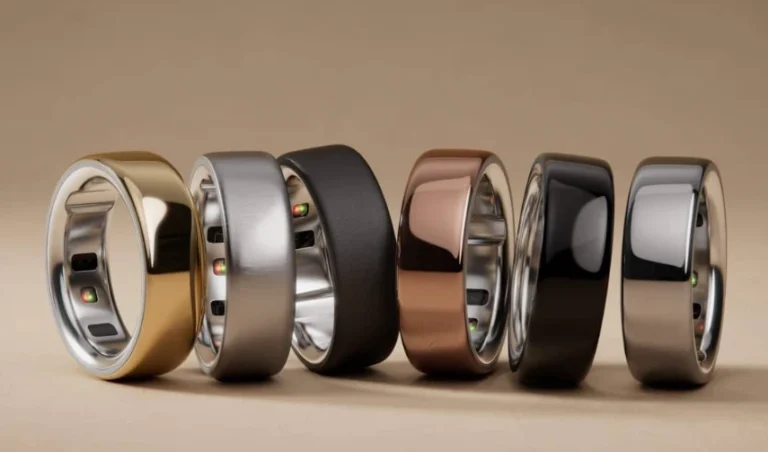
Recently, Finnish smart ring company Oura announced a partnership with healthcare platform Fullscript, officially bringing wearable data into clinicians’ day-to-day workflows. Within the industry, this collaboration is widely seen as an important signal of deeper integration between smart hardware and medical health management.
From “Self-Tracking” to Clinically Usable Data
Oura has built a large global user base by focusing on sleep scores, readiness metrics, and activity tracking, attracting consumers who are highly engaged in personal health optimization. The company is now valued at approximately USD 11 billion.
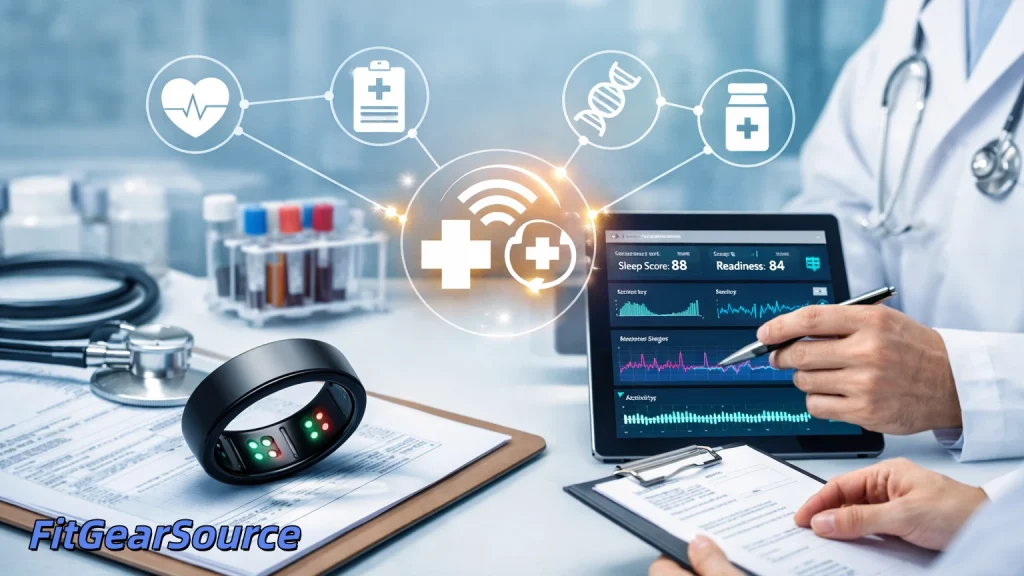
The core significance of this partnership lies in the shift in data flow. Through integration with Fullscript’s platform — and with explicit patient consent — physiological data collected by the Oura smart ring, including sleep trends, recovery status, and activity levels, will be made available directly to clinicians. Fullscript currently serves more than 125,000 healthcare and health-management professionals, marking one of the first large-scale efforts to bring consumer wearable data into clinical decision-making environments.
Kyle Braatz, co-founder and CEO of Fullscript, noted that while continuous health data is valuable on its own, its real impact emerges when combined with clinical insights, diagnostic results, and personalized intervention protocols — enabling a more meaningful transformation of health management.
Wearable Data as Part of “Whole-Person Health Management”
In practical terms, this integration is not intended to turn wearables into diagnostic devices. Instead, it provides clinicians with richer contextual health information. By analyzing long-term, continuous physiological signals, healthcare providers can gain a clearer understanding of a patient’s lifestyle patterns, recovery capacity, and potential risk factors — supporting more informed decisions in follow-up care, nutrition guidance, supplement planning, and lifestyle interventions.
Virtual women’s health platform Midi Health has already announced plans to incorporate Oura data into its provider workflows. Co-founder and CEO Joanna Strober emphasized that patients are not simply seeking more data, but rather clinicians who can translate that data into care that feels relevant, timely, and integrated into everyday life.
In fact, Oura began testing this model last year through a partnership with Maven Clinic, where wearable data was used to support guidance related to fertility, pregnancy, and menopause. The collaboration with Fullscript represents a broader expansion of this approach into a wider healthcare ecosystem.
Regulatory Boundaries Are Being Redefined
This development comes at a time when regulatory frameworks around wearable health technology are becoming clearer. The U.S. Food and Drug Administration (FDA) has recently indicated it will apply lighter oversight to low-risk wearables, fitness trackers, and wellness applications — provided they do not make explicit medical diagnostic or treatment claims.
Under the Oura–Fullscript model, the smart ring itself remains positioned as a wellness and lifestyle product, while medical interpretation and intervention are handled by licensed healthcare professionals. This structure preserves the flexibility of consumer wearables while avoiding direct regulatory classification as medical devices.
At the same time, Oura is not entirely staying on the sidelines of medical validation. Through Oura Labs, the company is actively developing blood-pressure-related features and has received Institutional Review Board (IRB) approval for a hypertension risk validation study. This research combines ring data with short user questionnaires to classify risk levels, with participants showing stronger indicators encouraged to seek professional medical care.
Industry Implications: Data Is No Longer an “Island”
From a broader industry perspective, this partnership sends a clear message:
as smart hardware, real-time physiological monitoring, and medical services become increasingly interconnected — even if wearable data serves only as a supportive reference — new pathways are emerging for large-scale, holistic health management.
Looking ahead, smart wearables are likely to move beyond isolated data dashboards within individual apps and become integral components of the health-management value chain. That said, critical challenges remain, including regulatory compliance, personal data privacy, interoperability, and data standardization.
What is certain, however, is that this transition is no longer theoretical. The exploration has already begun.